 Μake us preferred on Google
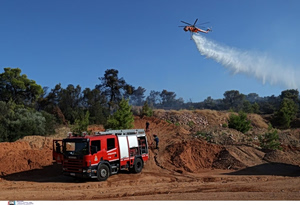
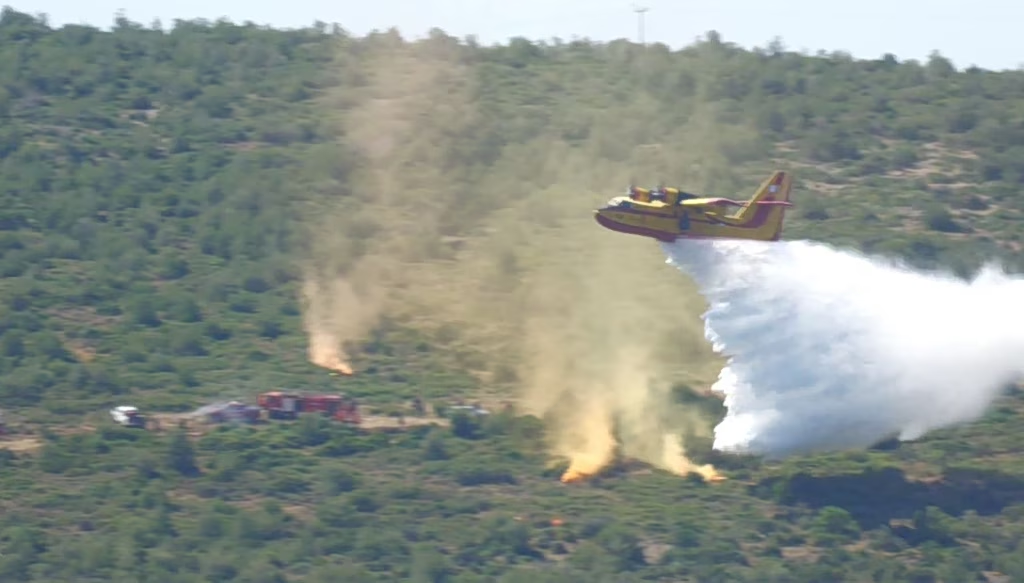
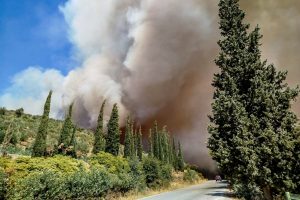
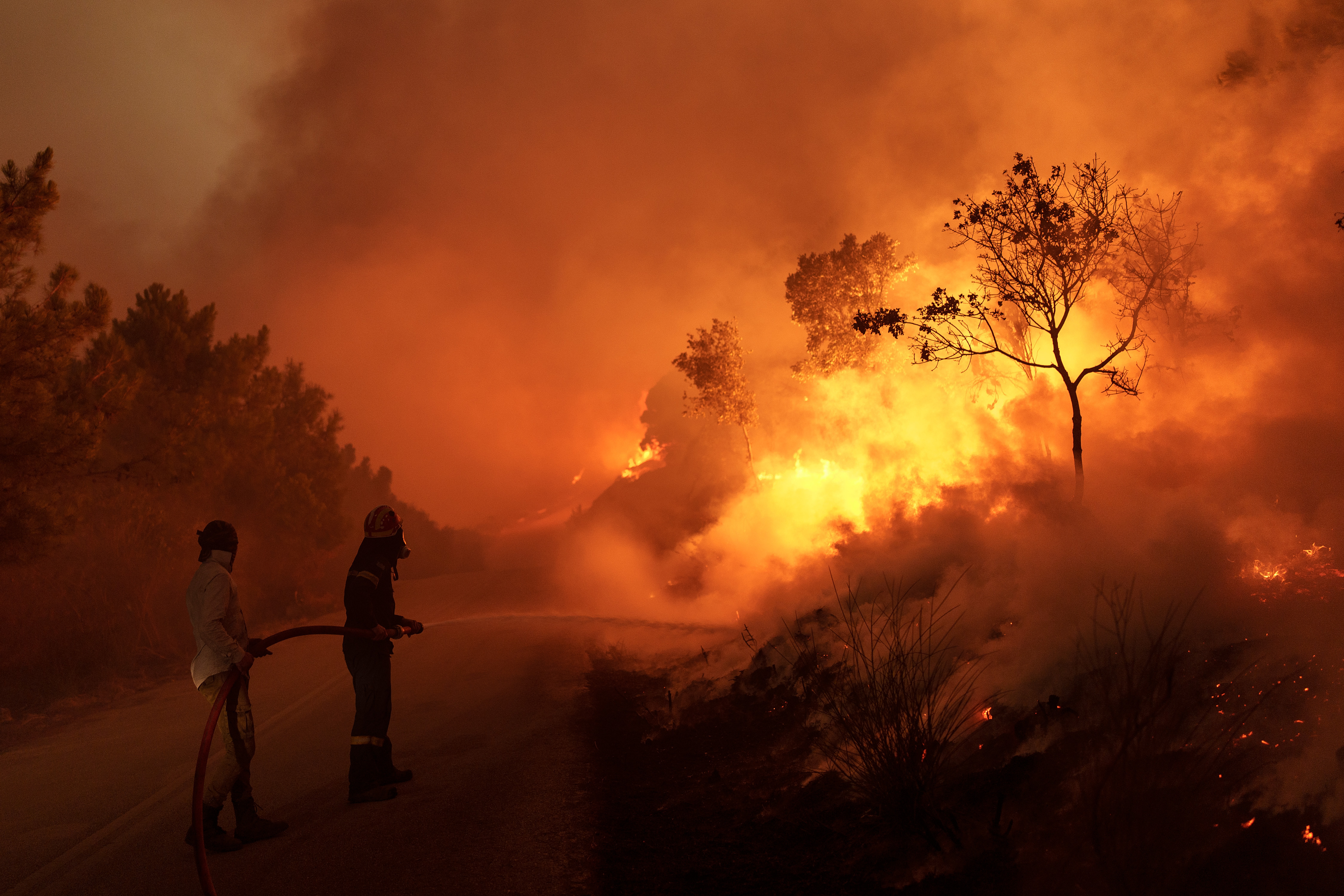
 Greece is preparing for another difficult wildfire season as forestry officials warn that decades of underfunding and a growing number of fires have weakened efforts to protect forests and communities.
On Mount Penteli, overlooking Athens, a small forestry service team patrols one of the country’s most vulnerable areas, searching for signs of fires and monitoring damage prevention measures.
The team is part of a wider struggle facing Greece, where officials say climate change is increasing the pressure while years of limited resources continue to affect fire prevention efforts.
Forestry service still recovering from years of cuts
Since 2000, nearly 2.5 million acres of land have been destroyed by fires across Greece, according to government figures. The damage has been linked mainly to carelessness, arson and accidental incidents such as broken power lines.
At the same time, the forestry service has seen its workforce significantly reduced. The number of employees responsible for fire prevention and mitigation has fallen by more than half since 2000, leaving fewer than 3,000 workers nationwide.
Officials say the decline was partly linked to the austerity measures introduced after Greece’s sovereign debt crisis.
“In the last decades we have been through a period of complete abandonment,” said Vangelis Gountoufas, director general of forests at Greece’s environment ministry.
The government has begun efforts to rebuild capacity, adding around 300 permanent staff since 2024 after more than two decades without new permanent hires.
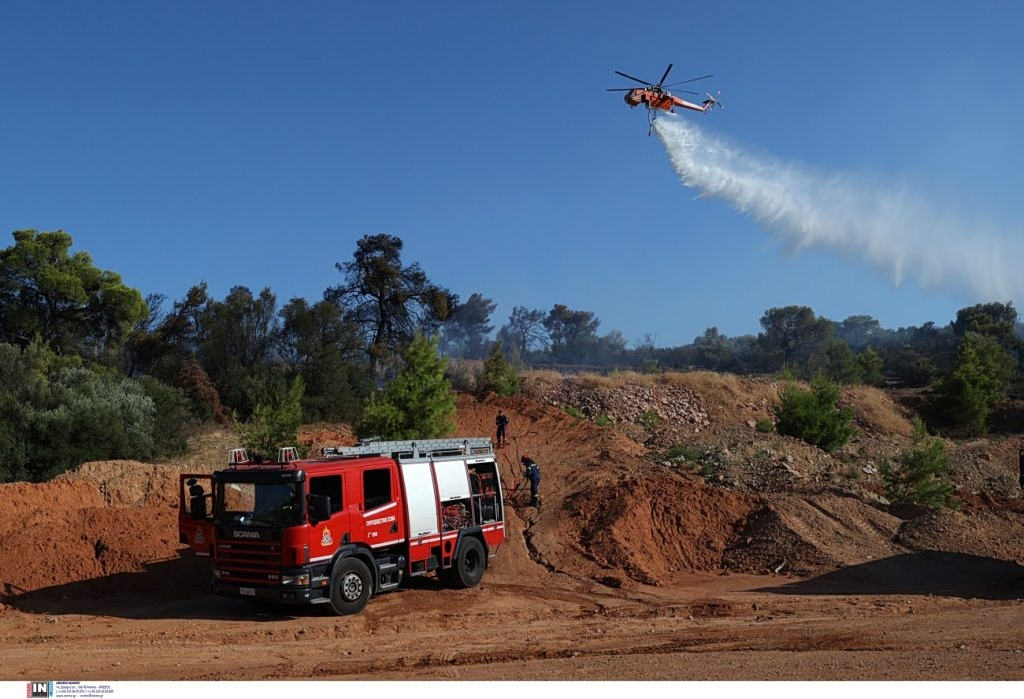
European Union funding has also supported the purchase of firefighting equipment, vehicles and drones as Greece attempts to strengthen its response.
Climate change reshapes Greece’s wildfire risks
Experts say the impact of repeated fires is changing Greece’s landscape.
Mount Penteli, once covered in forests, has become increasingly vulnerable due to repeated fires, population growth and its location along a wind corridor. Today, much of the mountain is covered by damaged vegetation and blackened pine trees.
Scientists say repeated burning has reduced the ability of forests to naturally recover, leading the government to begin replanting projects.
In the Attica region surrounding Athens, fires destroyed 37% of forests and grasslands between 2017 and 2024, according to data from the National Observatory of Athens.
“The change due to climate change is really rapid. So the key word is adaptation,” said Nikos Georgiadis from WWF, which is involved in a project planting more fire-resistant trees outside Athens.
Communities adapt to a constant fire threat
As summer begins, wildfire preparation has become part of everyday life for residents.
People are required to clear flammable vegetation from their properties, while workers cut roadside plants and remove dry branches that could fuel fires.
Forestry teams monitor drainage systems, erosion prevention projects and possible fire risks, but workers say the scale of the task is overwhelming.
“It’s almost impossible to be everywhere, to be able to stay on top of everything,” said forester Zoi Ntina to Reuters, whose team of 27 operates around Mount Penteli.
Officials say preventing all fires is unrealistic, but reducing their impact remains a priority.
“Anyone who says that they have the magic wand to eliminate fire as a phenomenon is probably not telling the truth,” said Stathis Stathopoulos, who runs Greece’s forestry service at the environment ministry.
Loss of forests brings new risks
The effects of deforestation are already being felt beyond wildfires.
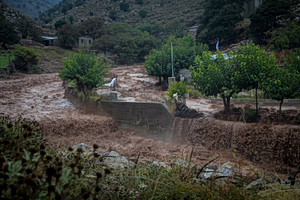
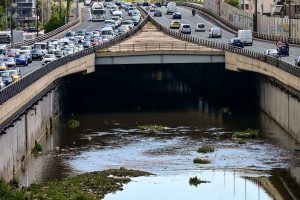
Around Mount Penteli, some water tanks designed for firefighting are damaged from previous fires, while the loss of trees has increased the risk of flooding.
In April, heavy rain caused water to rush down a bare ravine near Kallitechnoupoli, damaging a road used as an escape route during emergencies.
Residents who grew up in the area remember a landscape once surrounded by forests. Today, many describe a changed environment shaped by repeated fires and extreme weather.
For Greece, the challenge is no longer only fighting individual fires, but adapting to a future where forests, infrastructure and communities face growing pressure from a changing climate.