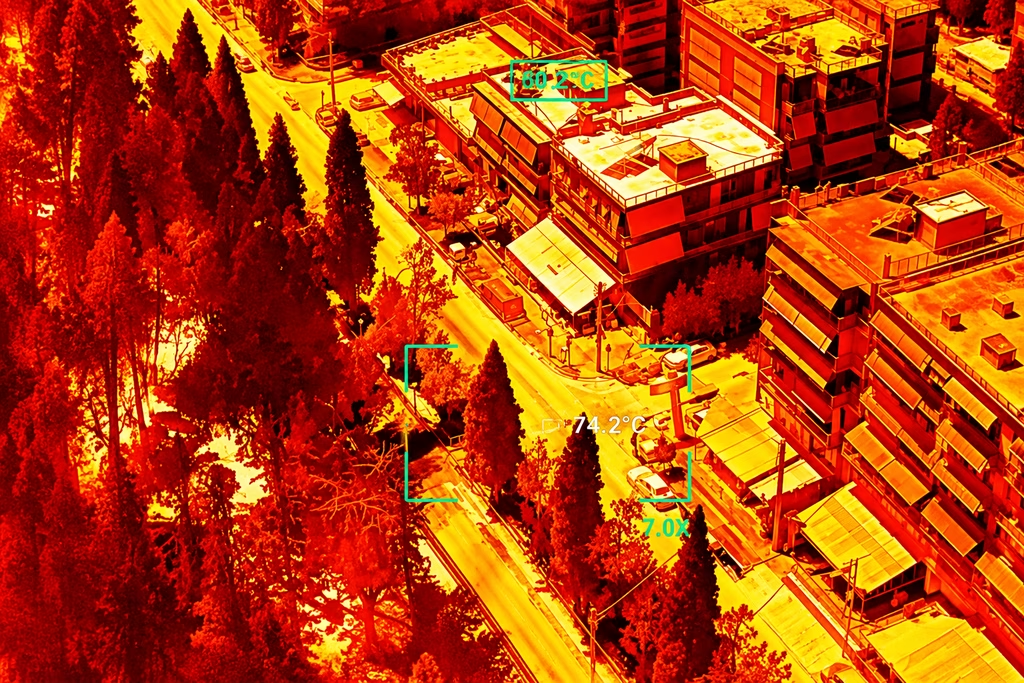
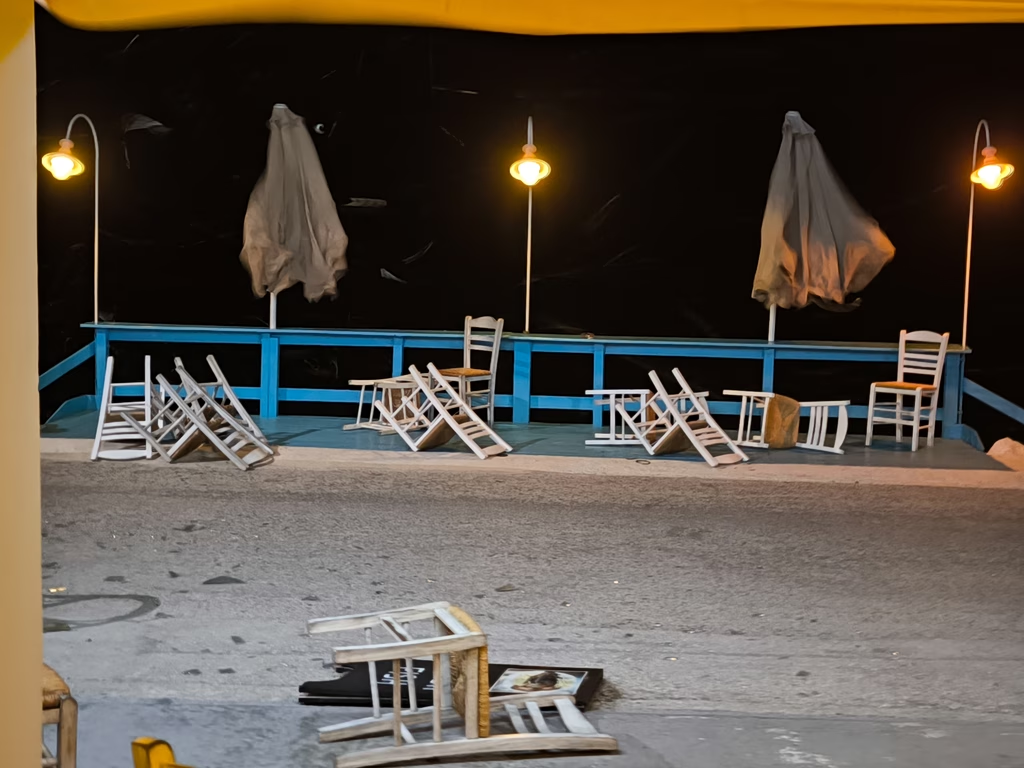
Greece’s Risk Assessment Committee held an emergency meeting on Wednesday, July 22, as the country faces the peak of a powerful heatwave while several areas are also expected to experience severe thunderstorms, hail and strong winds.
The meeting was convened following a new emergency weather bulletin issued by the National Meteorological Service (EMY). Authorities remain on high alert, with several regions already placed under “RED CODE” mobilization due to the elevated risk of wildfires.
The session was called by Civil Protection Secretary-General Nikos Papaefstathiou and attended by Climate Crisis and Civil Protection Minister Evangelos Tournas.
Extreme heat and severe weather risks
According to the committee’s experts, very high temperatures are expected across much of Greece, while parts of Central and Eastern Macedonia and Thrace may see locally intense thunderstorms accompanied by strong wind gusts and hail.
At the same time, western winds reaching 6 and locally 7 on the Beaufort scale are forecast, increasing the danger of fires spreading rapidly.
Civil Protection authorities are maintaining close communication with all relevant agencies to ensure operational readiness.
Regions placed under RED CODE alert
The areas currently under “RED CODE” mobilization include:
- The Attica region, which includes Athens
- Boeotia, Fthiotida, Fokida and Evia
- Argolida, Corinthia, Arcadia and Laconia
- Aetolia-Acarnania and Achaia
- The Thessaly region
- Kilkis and Thessaloniki
- Rhodes
Authorities have issued a strong recommendation for citizens to avoid outdoor activities that could accidentally trigger fires.
Warning over activities that may cause fires
The Civil Protection authorities have reminded the public that activities such as burning dry grass or agricultural waste, using equipment that may create sparks, outdoor barbecues, smoking out beehives, discarding lit cigarettes and any other action that could cause ignition are prohibited during periods of extreme fire risk.
The ban on agricultural burning remains in effect throughout the fire prevention season.