 Μake us preferred on Google
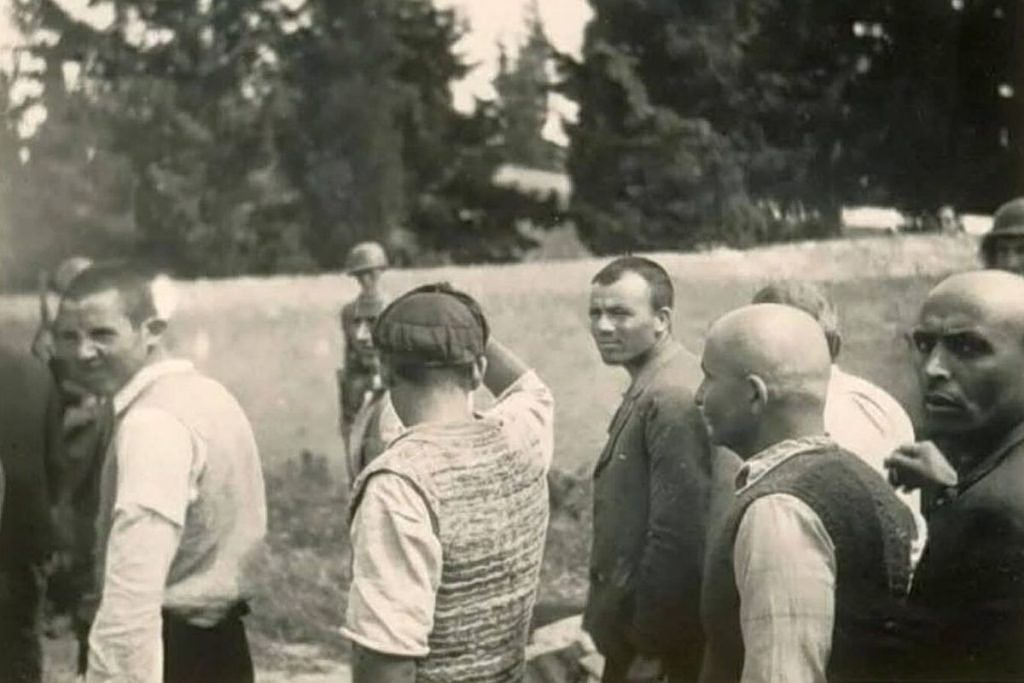
 Greece is navigating a complex legal and cultural challenge to recover historic photographs from the executions at Kaisariani Shooting Range, dating back to May 1, 1944, which have appeared for sale on eBay. The images document the execution of 200 prisoners by occupying forces in retaliation for the death of a German general, marking one of the darkest days of the Nazi occupation.
The Ministry of Culture acknowledges “legal complexities” in reclaiming the photos, which were recently traced to a collector in Ghent, Belgium, who specializes in WWII memorabilia. The collector reportedly acquired the images through post-war German veteran networks, including the magazine circle Wildente (Wild Duck), aimed at reshaping the German army’s image.
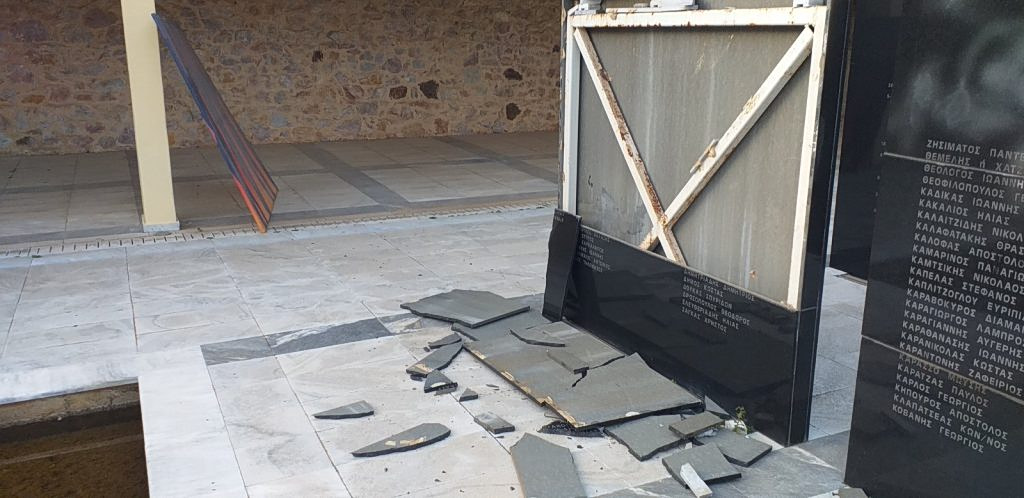
The sale of these photos has sparked outrage in Greece, especially after acts of vandalism at the Kaisariani memorial, viewed as a direct insult to the memory of the executed. According to the Ministry, the photographs are likely authentic, prompting officials to plan a visit to Belgium to inspect and verify the historical documents.
Legal Challenges
Experts in cultural heritage and intellectual property note that the process for legally reclaiming the photographs is complicated. Professor Eirini Stamatoudi explains that copyright protections could still apply, lasting for the life of the photographer plus seventy years. If the collector legally acquired the photos, there may be no infringement.
Assistant Professor Eleni Trova emphasizes that selling historical photos is not inherently illegal, and there is no evidence of theft or illegal export. UNESCO and UNIDROIT conventions, as well as International Humanitarian Law, do not apply in this case, as the photos were not stolen or taken illegally during wartime.
Greek law could theoretically classify the photos as national cultural heritage, granting the state a right of first refusal in purchase. However, this designation may not be enforceable in Belgium and could face legal challenges.
Practical Solution
Both experts suggest that the most effective approach for Greece is to directly purchase the photos from the collector. This method ensures the sensitive material returns safely to Greece while avoiding lengthy legal disputes. The Ministry of Culture is considering this option as a priority, acknowledging the need to safeguard the memory of those who perished in Kaisariani while navigating the constraints of international law.