 Μake us preferred on Google
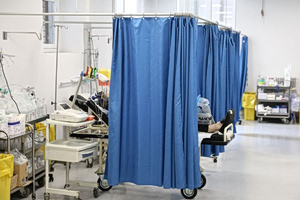
 Authorities are sealing a private clinic in Thessaloniki on Tuesday after an investigation found that it had been operating an unauthorized oncology unit and administering chemotherapy without the required license.
The closure is being carried out in the presence of a court-appointed bailiff under a decision signed by Kostas Gioutikas, Vice Governor of the Metropolitan Unit of Thessaloniki, following the revocation of the clinic’s operating license.
The case has raised questions about patient safety and the effectiveness of the authorities responsible for monitoring private healthcare facilities.
According to information reported by voria.gr, the clinic was part of a wider network of healthcare facilities. Its owner has expanded his business activities in the health sector in recent years, acquiring similar facilities, including through auctions, in Athens, Larissa, Katerini and other cities in Greece.
Unauthorized oncology unit
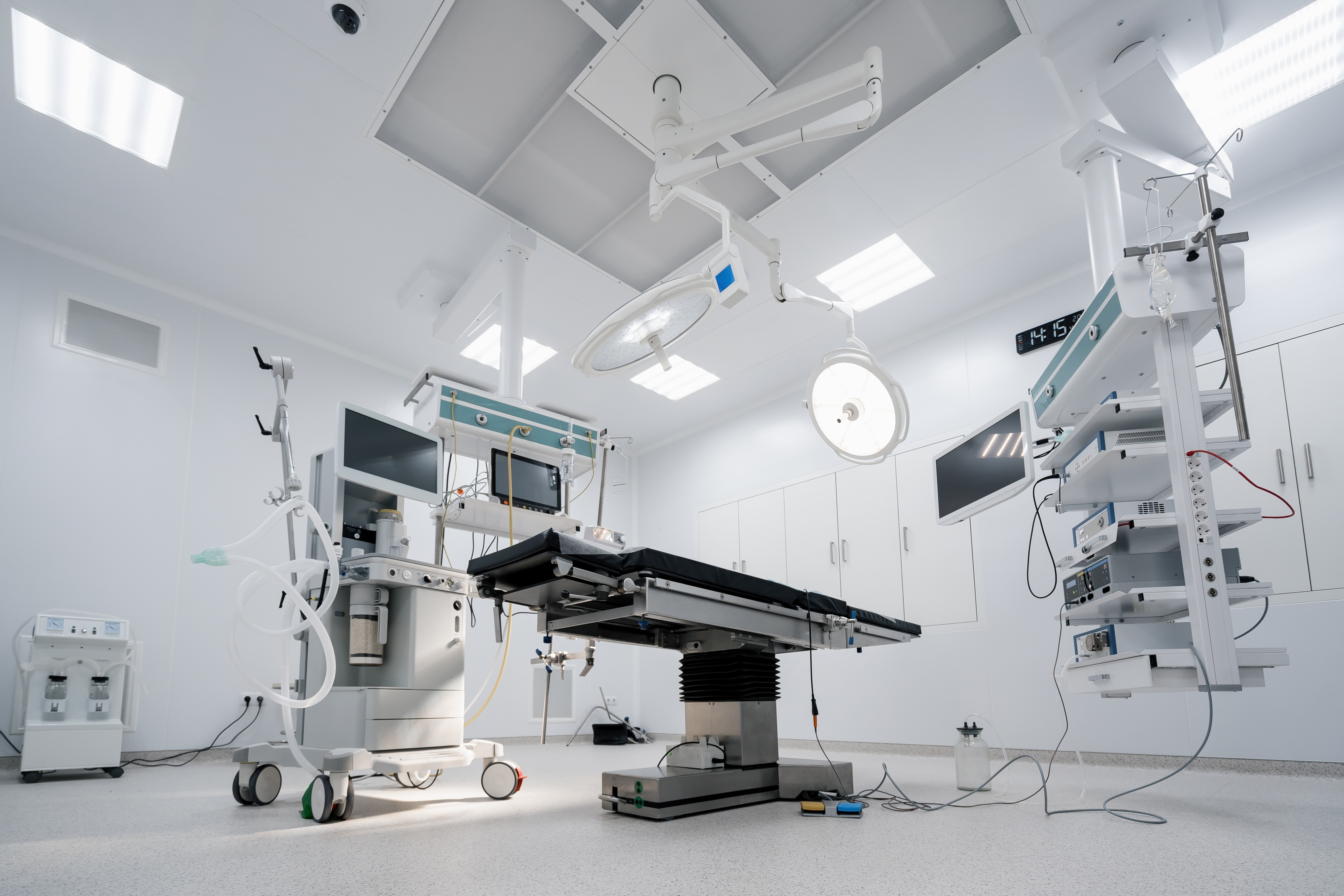
Findings by Greece’s National Transparency Authority (NTA) showed that the clinic advertised a fully equipped oncology department on its website. The website also featured a video showing a biological safety cabinet designed for handling cytotoxic and chemotherapy drugs.
However, the clinic’s operating license did not authorize it to have an oncology department.
A private pulmonologist specializing in lung oncology has emerged as a central figure in the case. According to the NTA, the doctor had been prescribing chemotherapy drugs to patients since 2022 and then administering them at the unlicensed clinic.
Clinic staff were responsible for preparing the drugs before they were administered.
The doctor was deemed jointly responsible for the unauthorized activity because he provided medical services at an unlicensed facility, in violation of his professional and ethical responsibilities. He also did not have a written cooperation agreement with the clinic.
Authorities are also investigating whether patients’ AMKA numbers — the Greek social security and healthcare identification numbers — were misused for fictitious prescriptions, or whether powerful drugs were administered to hospitalized patients who did not actually have cancer.
Questions over delayed action
The case has also prompted criticism from the president of POEDHN, Greece’s federation of public hospital workers, who has accused the authorities of taking too long to intervene.
According to the union leader, the first complaint concerning the facility was submitted to the National Transparency Authority about 18 months ago. The clinic was located just 500 meters from Theageneio, a specialized cancer hospital in Thessaloniki.
Two inspectors who examined the facility found that it was effectively operating as an understaffed nursing home, without adequate nursing personnel or equipment.
Despite their findings and a recommendation to revoke the clinic’s license, the competent Directorate of Public and Social Care of the regional government did not immediately seal the facility.
The recommendation to remove the license came after the clinic’s certificate of proper operation had already been revoked in early 2026.
The POEDHN president said it took widespread public attention and a death for the understaffed regulatory mechanisms to finally take action.
He urged members of the public, particularly cancer patients, not to trust unqualified practitioners who, he said, exploit people’s hopes by promising treatments involving supplements and unproven remedies. Instead, he called on patients to seek care through Greece’s public health system.