 Μake us preferred on Google
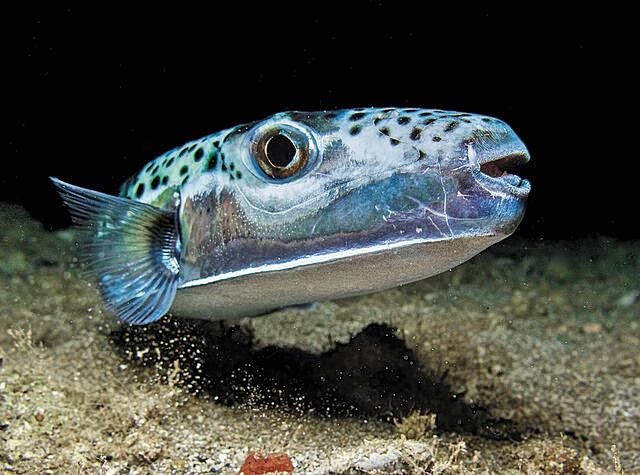
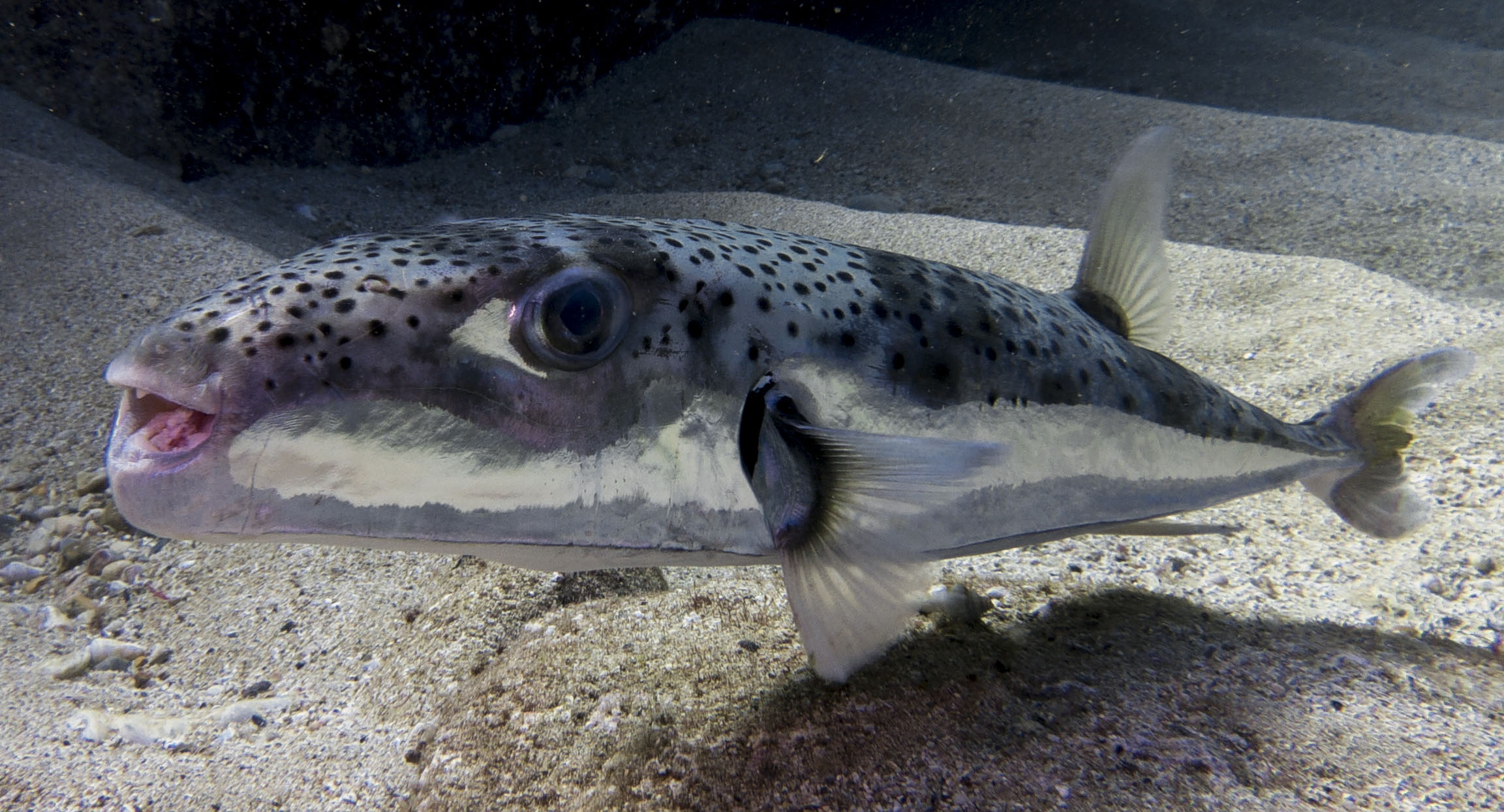
 A swim at one of Athens’ most popular beaches turned briefly alarming for Greek singer Dimitris Kanellos, who said he was bitten on the leg by a silver-cheeked toadfish, the toxic pufferfish increasingly common in Greek waters.
Speaking on Greek TV channel MEGA, Kanellos said he had gone to Varkiza, a coastal suburb on the Athenian Riviera, for a weekend swim when the fish struck. “It bit me low on the leg,” he said. “Because these fish have a distinctive shape, you can tell it’s a lagokefalos. It made a small wound, nothing terrible. But more than anything a lot of beachgoers panicked.”
The injury as minor and the situation was handled calmly, Kanellos underlined. “Luckily it wasn’t a big fish. The important thing is we got off lightly,” he said. “Fortunately, I didn’t panic. There was a general composure.” Kanellos said he treated the wound simply once he was out of the water. “When I got out, I put clean water on it, not seawater, let’s note that, and soap. Once you clean it, you’re fine,” he said. He added that he also visited a pharmacy and that everything was fine.
His main message was for bathers not to overreact to the fish’s growing presence along Greek coasts. “What we need people to understand is that there shouldn’t be any panic. And that it would be a shame not to go to the sea because of the presence of the pufferfish,” he said.
What is the lagokefalos?
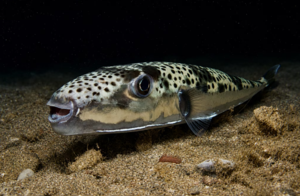
The lagokefalos, or silver-cheeked toadfish, has spread rapidly through Greek waters in recent years and is increasingly in the news. It is toxic and can be fatal if eaten. Its bite is painful but not venomous, despite the alarm it tends to generate. The fish also tears fishermen’s nets and feeds on their catch and on commercial species.
What to do after a pufferfish bite
The Greek Red Cross recommends the following steps in case of injury:
- Clean the wound immediately with plenty of clean running water and soap. The use of local antiseptics without medical advice is not recommended.
- Apply steady pressure to the wound using clean gauze or a clean cloth. If bleeding is severe, continue applying pressure while keeping the injured limb elevated.
- Seek medical assistance as soon as possible. A pufferfish bite may require specialized care, including a tetanus shot and possibly stitches if the injury is deep.
- Call emergency services if the incident occurs in a remote area or if bleeding is severe. In Greece, citizens can contact the National Emergency Aid Center (166) or the European emergency number 112, while continuing first aid measures until professional help arrives.