 Μake us preferred on Google
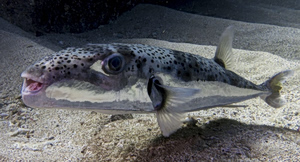
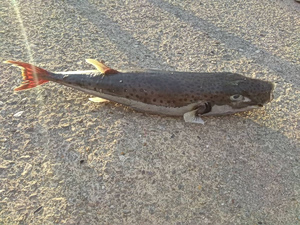
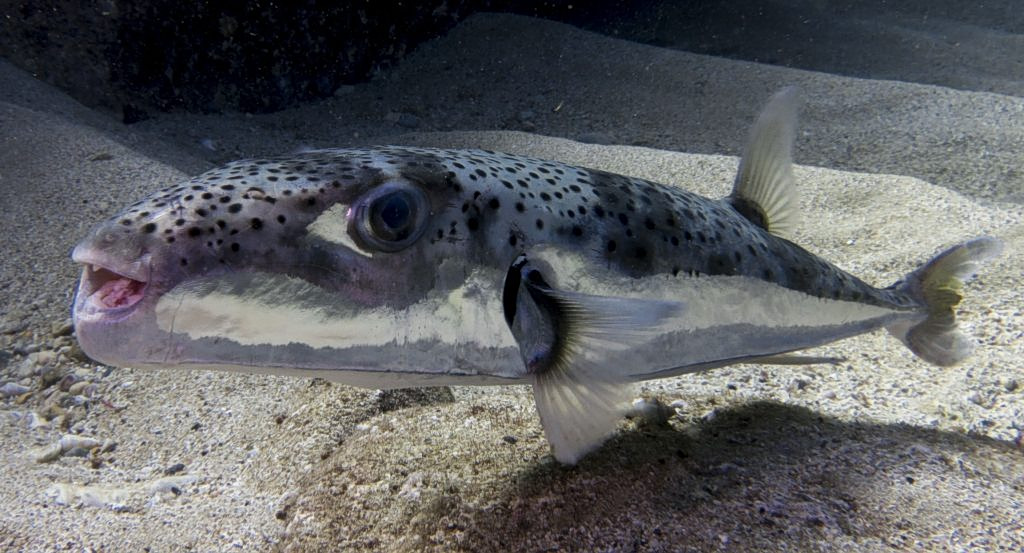
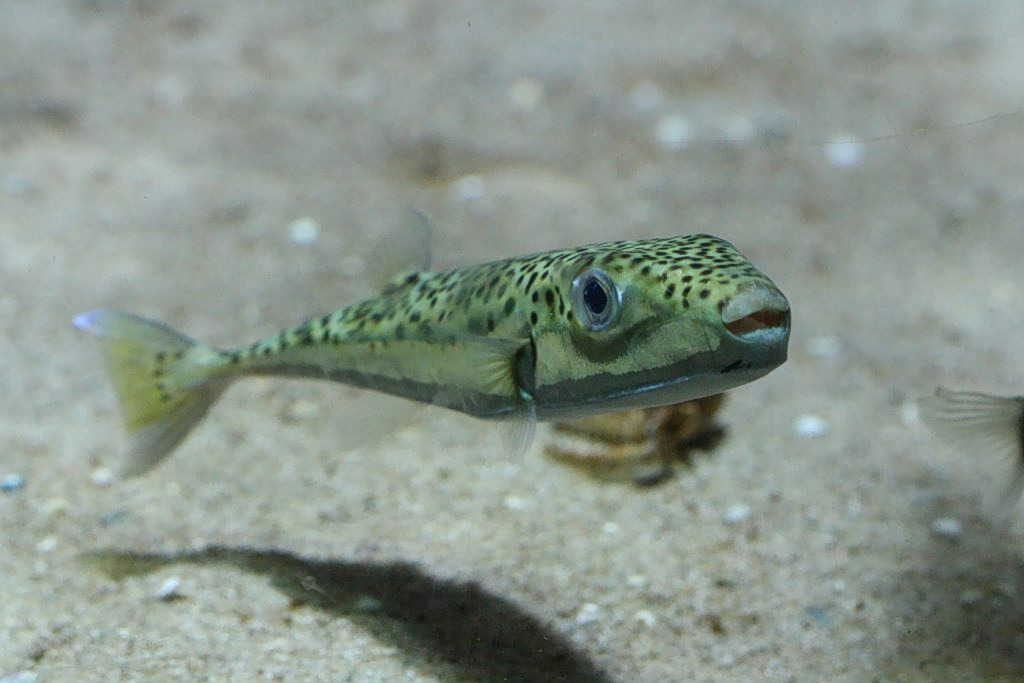
 The Hellenic Red Cross has issued first aid guidance following the increasing presence of the pufferfish species Lagocephalus sceleratus in Greek seas, warning that the fish can cause serious injuries due to its powerful bite.
The organization’s Health Sector highlighted that the species contains a powerful neurotoxin, tetrodotoxin, making it extremely dangerous if consumed. Because the toxin’s distribution varies throughout the fish, no part of it should be considered safe for eating.
Although the bite itself is not toxic, the pufferfish’s extremely strong jaws, which resemble a beak, can cause severe wounds and heavy bleeding.
What to do after a pufferfish bite
The Greek Red Cross recommends the following steps in case of injury:
- Clean the wound immediately with plenty of clean running water and soap. The use of local antiseptics without medical advice is not recommended.
- Apply steady pressure to the wound using clean gauze or a clean cloth. If bleeding is severe, continue applying pressure while keeping the injured limb elevated.
- Seek medical assistance as soon as possible. A pufferfish bite may require specialized care, including a tetanus shot and possibly stitches if the injury is deep.
- Call emergency services if the incident occurs in a remote area or if bleeding is severe. In Greece, citizens can contact the National Emergency Aid Center (166) or the European emergency number 112, while continuing first aid measures until professional help arrives.