 Μake us preferred on Google
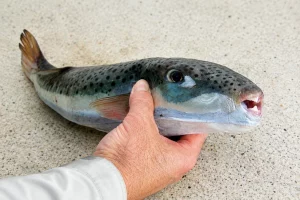
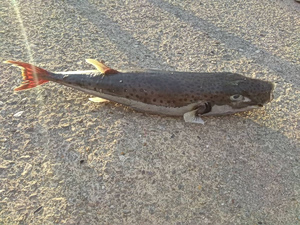
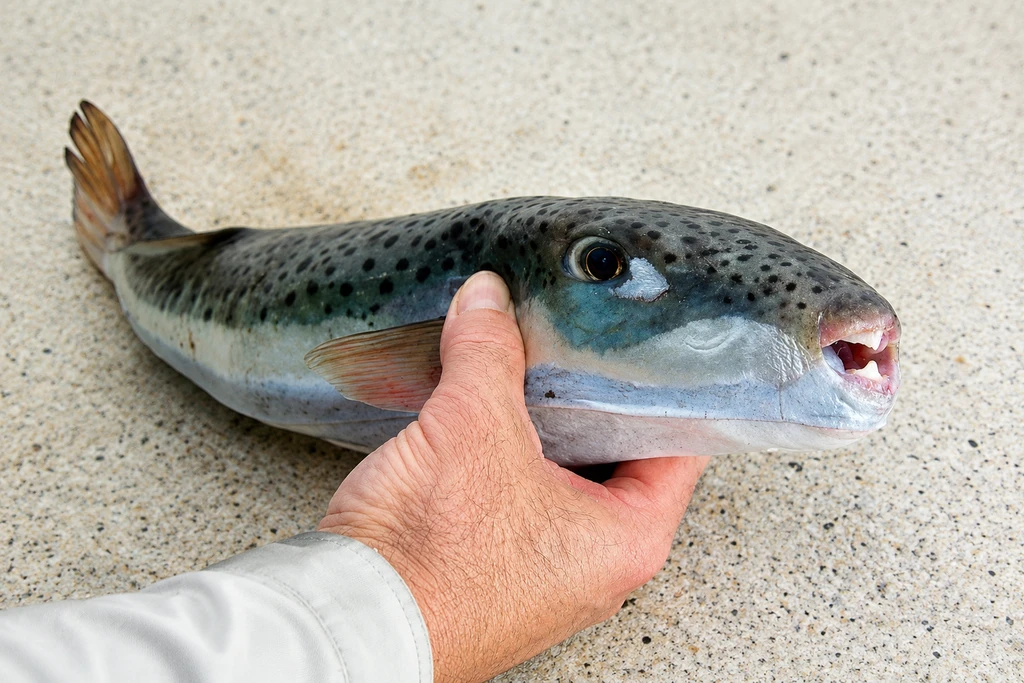
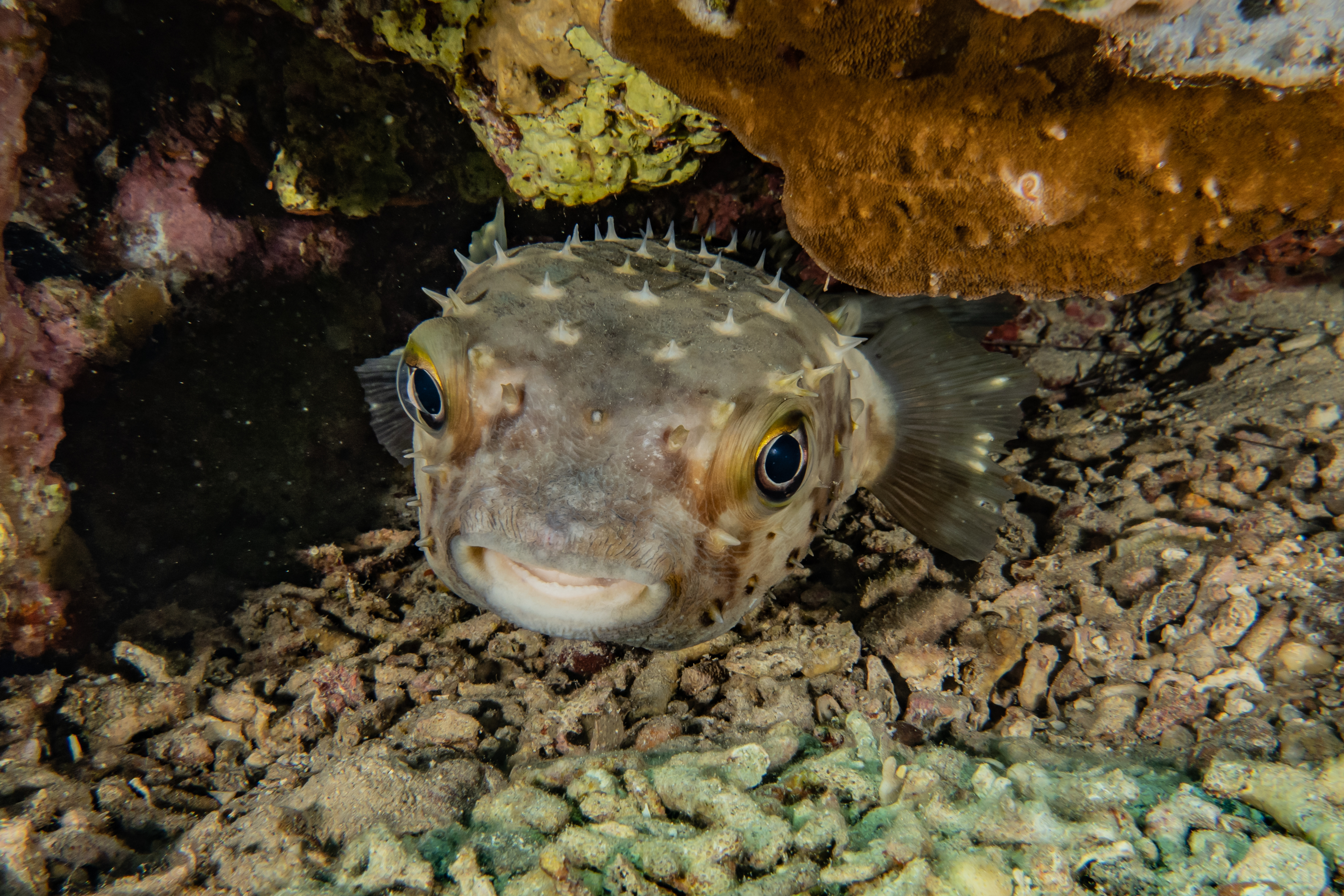
 A bite from the pufferfish, known in Greece as lagokefalos , can cause serious injuries and should be treated as a medical emergency, experts warn.
Although the bite itself is not poisonous, the fish has extremely powerful jaws that resemble a beak and can cause deep cuts, heavy bleeding, tissue damage and, in severe cases, even the loss of fingers.
@fishing_lab01 Εσείς γνωρίζατε ότι υπάρχουν περισσότερα από ένα είδη Λαγοκέφαλου (Pufferfish)🐡; 📍3 είδη έχουν καταγραφεί στη Μεσόγειο, κάποια παραμένουν μικρά και ζουν στα βαθιά, ενώ κάποια είναι αρκετά μεγάλα σε μέγεθος και τα συναντάμε αρκετά πιο συχνά. #fish #fishing #fyp #pufferfish #seacreatures ♬ πρωτότυπος ήχος – FishingLab
The species is also considered highly dangerous as food because it contains tetrodotoxin, a powerful neurotoxin that can cause paralysis, respiratory failure and potentially death. Experts strongly advise against consuming the fish under any circumstances.
A growing presence in Greek waters
The presence and spread of the pufferfish in Greek waters is being monitored by the Greek Network on Aquatic Invasive Species (ELNAIS), operated by the Hellenic Centre for Marine Research (HCMR).
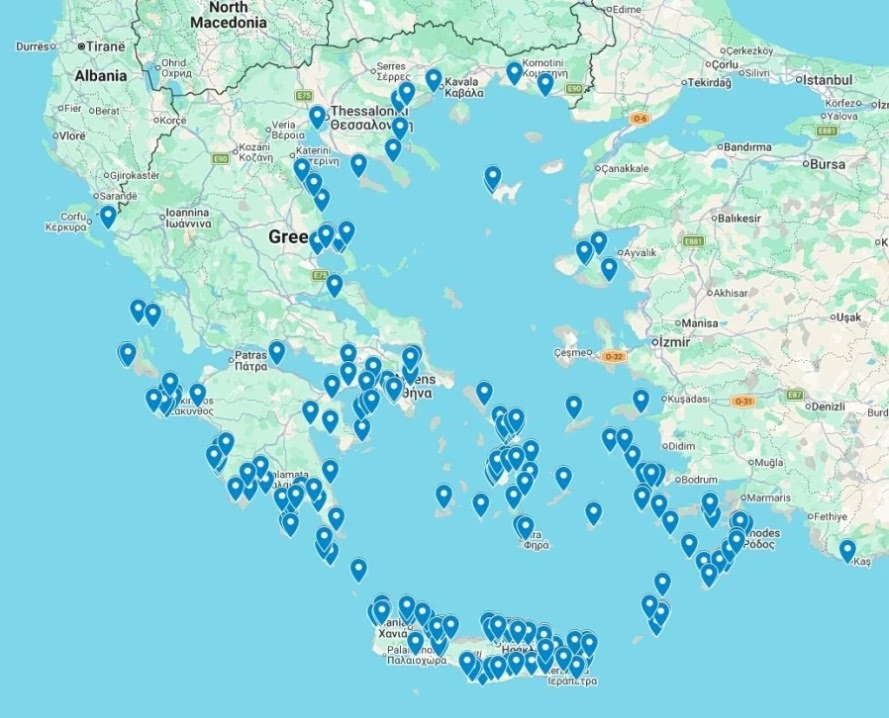
The network records areas where the fish has been spotted or caught, including coastal locations and beaches across Greece.
The species has attracted attention in recent years due to its ability to spread in Mediterranean waters and the risks it poses to swimmers, fishermen and local communities.
What to do if bitten by a pufferfish
According to first aid guidance from the Hellenic Red Cross, anyone who encounters the fish should first move away safely and leave the water.
People should avoid trying to catch or move the animal, even if it appears motionless. Children and pets should also be kept away, especially if the fish is trapped or washed ashore.
If a bite occurs, experts recommend:
- Cleaning the wound with plenty of clean running water and soap
- Avoiding seawater for cleaning the injury
- Not applying antiseptics or creams without medical advice
- Applying firm pressure with clean gauze or a cloth to control bleeding
- Raising the injured limb above heart level if possible when bleeding is severe
- Seeking medical attention as soon as possible
The Hellenic Red Cross stresses that every injury caused by a pufferfish requires medical evaluation, as treatment may include stitches, tetanus protection or specialized care.
In isolated areas, or if bleeding does not stop, emergency services should be contacted immediately by calling 166 or 112 while continuing first aid measures.