 Μake us preferred on Google
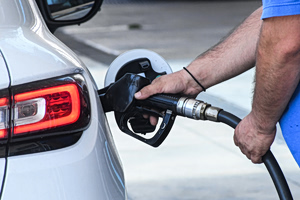
 Inflation is on the rise again, with price increases no longer confined to fuel but spreading across essential goods and services, placing growing pressure on households. Data from the Hellenic Statistical Authority show that in April the index climbed to around 5%, up from 3.9% in March, confirming that inflationary pressures remain strong and are spreading across the entire market.
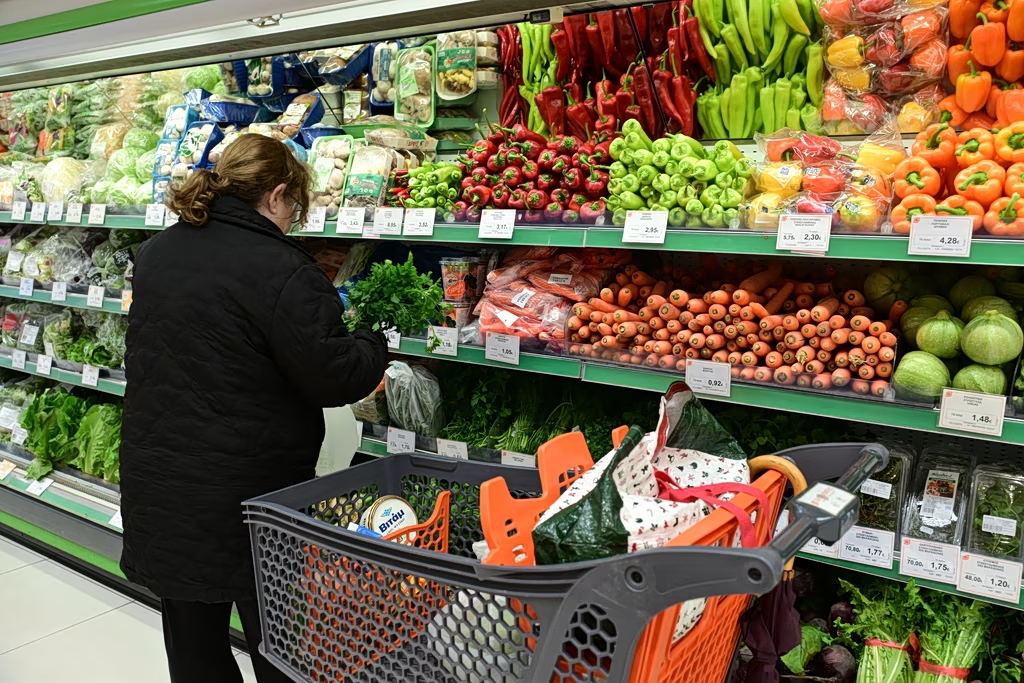
Rising costs are not only eroding disposable income but are now clearly affecting consumption. Fuel, energy, transportation, and basic food items are driving a sustained wave of price increases, weakening purchasing power and prompting households to rein in spending.
Concerns are also intensifying at the European level. Greece’s Minister of National Economy and Finance and President of the Eurogroup, Kyriakos Pierrakakis, warned from Brussels of the need to prepare even for adverse scenarios, noting that the pressure is already evident for both households and businesses.
In Greece, the harmonized consumer price index reached 4.6% in April, driven primarily by energy costs. The government maintains a fiscal buffer of around €200 million for additional interventions, with a focus on continuing subsidies for diesel fuel.
Forecasts
Inflation forecasts have already been revised upward. For 2026, the Ministry of Finance now places the rate at 3.2%, up from an initial estimate of 2.2%. Similar revisions have been made by the Bank of Greece and the International Monetary Fund, confirming that inflationary pressures are likely to persist.
Seven in ten households expect further price increases
Against this backdrop, consumer behavior is shifting noticeably. A survey by Foundation for Economic and Industrial Research shows a further deterioration in sentiment, with the consumer confidence index falling to -54.7 points in April from -52.5 in March. Greek consumers remain the most pessimistic in the European Union.
The strain on incomes is now evident in everyday life. More than seven in ten households expect further price increases, while 63% say they are “just getting by” each month. At the same time, seven out of ten consumers believe their financial situation has worsened over the past 12 months.
Households cut spending
Consumers are responding by scaling back spending. Fifty-eight percent say they will reduce major purchases, while the overwhelming majority consider saving unlikely.
At the same time, inflation expectations remain high, reinforcing a sense of insecurity. Nearly three in four households expect prices to keep rising, while uncertainty about the future is increasing. Particularly concerning are figures related to major expenditures, as the intention to buy or build a home remains extremely low.