 Μake us preferred on Google
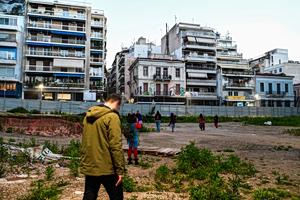
 Engineers could begin work as early as Monday on several apartment buildings in Kypseli, that were damaged when the tunnel boring machine digging the city’s new Metro Line 4 passed beneath them.
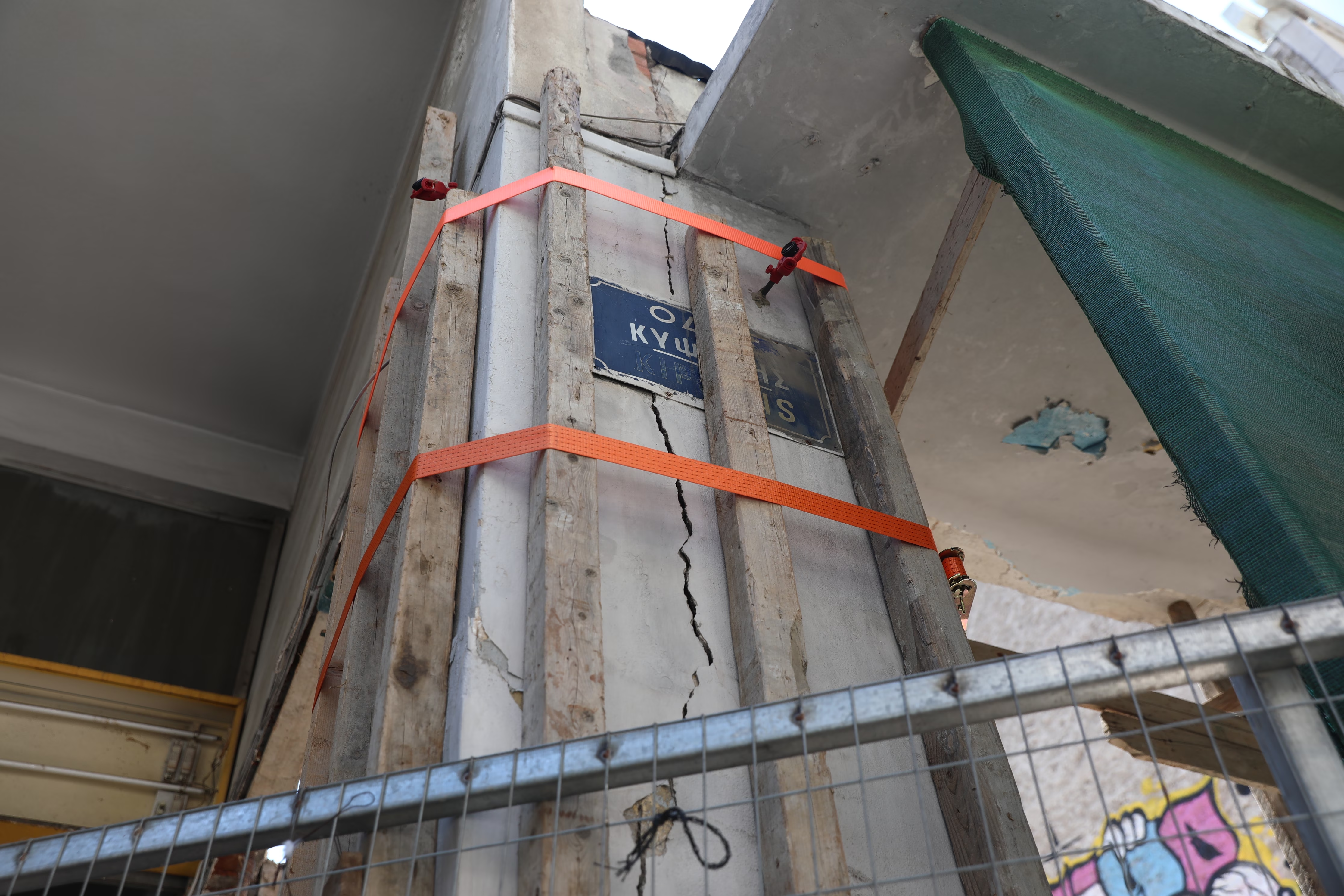
The first step will be to remove loose marble cladding and crumbling plaster, according to information that emerged after an emergency meeting that was held Friday afternoon at the request of Athens Mayor Haris Doukas and residents’ representatives. Those materials still pose a danger both to the people living in the buildings and to passers by. Stripping them away will also expose the buildings’ columns, allowing engineers to inspect them and identify any further damage.
One building remains in the red
The meeting also brought troubling news about one of the 14 buildings inspected by experts from the Technical Chamber of Greece (TEE), and by engineers working for the residents. That building was classified as “red,” the highest risk rating, and kept that rating in the third vulnerability assessment.
The city and the residents’ representatives raised the issue, asking for clarity on the condition of the buildings now that the inspections are complete.
“We were told today that there is also a building that remains ‘red,’ with everything that implies, even after the structural assessment. In Kypseli, of course. I can’t give more information about that, and it is very significant,” Doukas told reporters after the meeting. “We raised every safety issue. We even raised the question of moving residents out of their homes if that is needed.”
Six buildings above the stalled machine
The tunnel boring machine has been idle beneath Kypseli since May 8. For the six buildings directly above the spot where it stopped, Elliniko Metro S.A., the state company overseeing the project, is proposing shoring work so the machine can be restarted.
Once it has moved past that section, further studies will be carried out. Experts believe the machine’s passage could cause additional damage to the buildings, which could potentially make it necessary to move residents temporarily into other housing. The resulting studies will then go to the Technical Chamber of Greece, which will decide the next steps and whether residents need to leave their homes.
A new damage survey, but no timeline yet
Doukas said the discussion during the emergency meeting centered on three issues, and only one was settled.
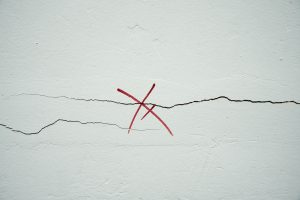
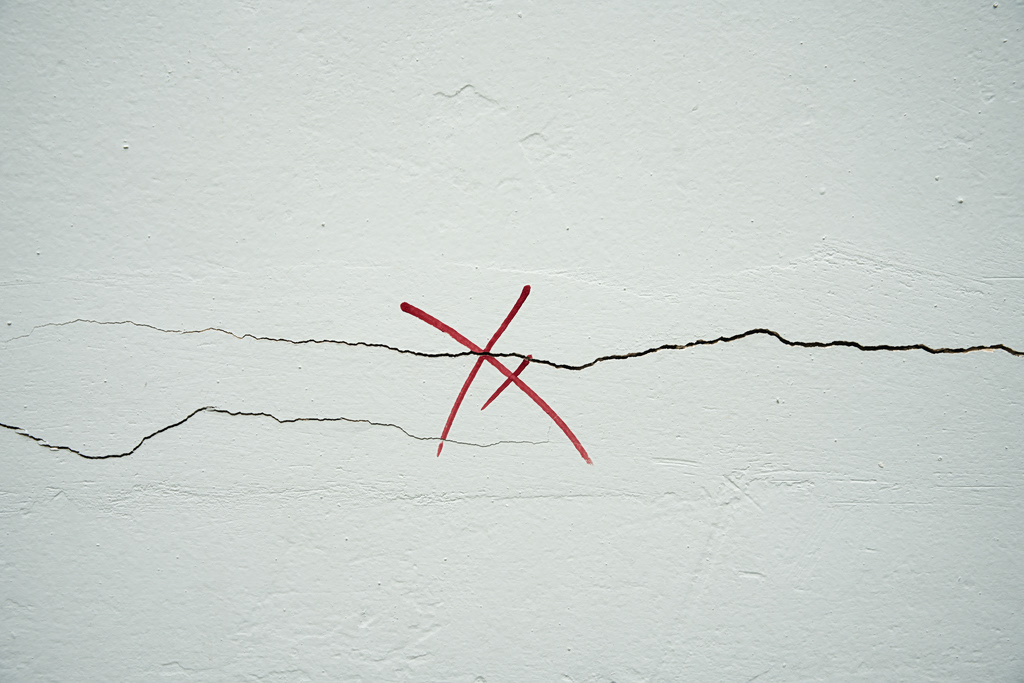
Both sides agreed to carry out a final survey of the damage. The original assessment no longer reflects conditions on the ground, Doukas said, because new cracks have appeared and the chamber’s inspections took place months ago.
“An initial survey was carried out, but the problem has since become clearer. There are new cracks, and the TEE inspections were done many months ago,” he said. “So we asked for three engineers, one from the company, one from the TEE and one representing the residents, to go into the homes right away and make a final assessment of the damage. That was agreed.”
Two other demands are still unresolved. The mayor wants a separate restoration study for each building and a clear schedule for the repairs.
“It is critical for us that there be a restoration study for every building, along with a precise timeline,” he said. “Once we have the first document showing what is happening in each home, we want to know when the study will be ready and how long the restoration will take.”