 Μake us preferred on Google
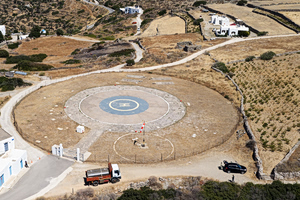
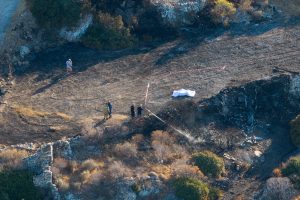
 The investigation into the fatal helicopter crash on the Greek island of Sifnos is focusing on five possible scenarios, including a mechanical failure in the tail-rotor system, a bird strike and possible issues with the helicopter’s maintenance.
The crash killed all three people aboard the private Bell 206 helicopter — a Greek pilot and two British newlyweds who were in Greece on their honeymoon.
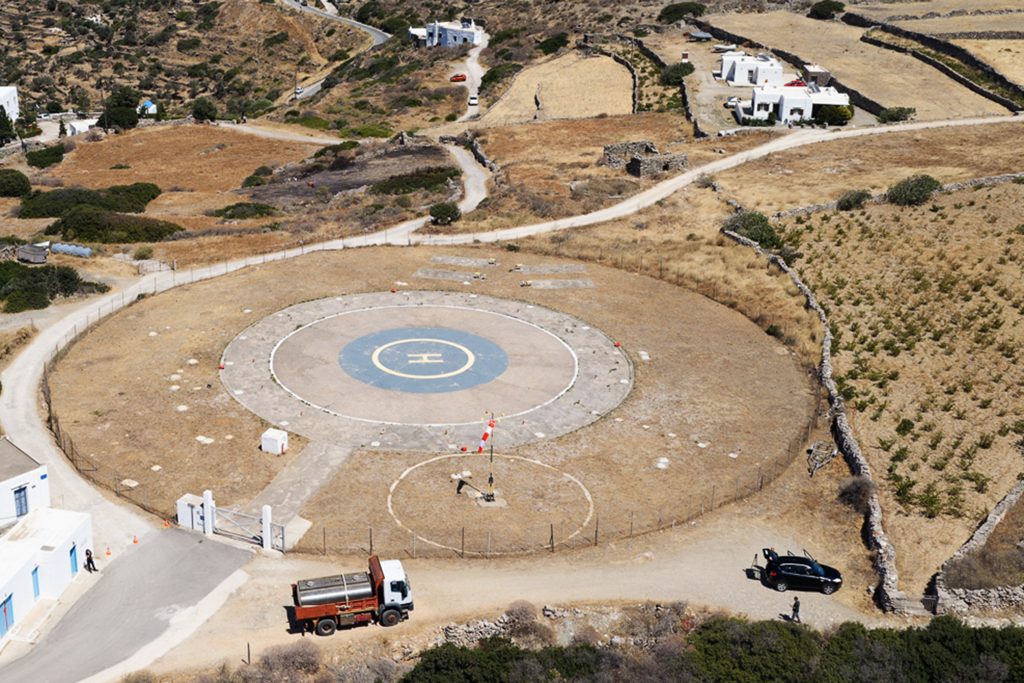
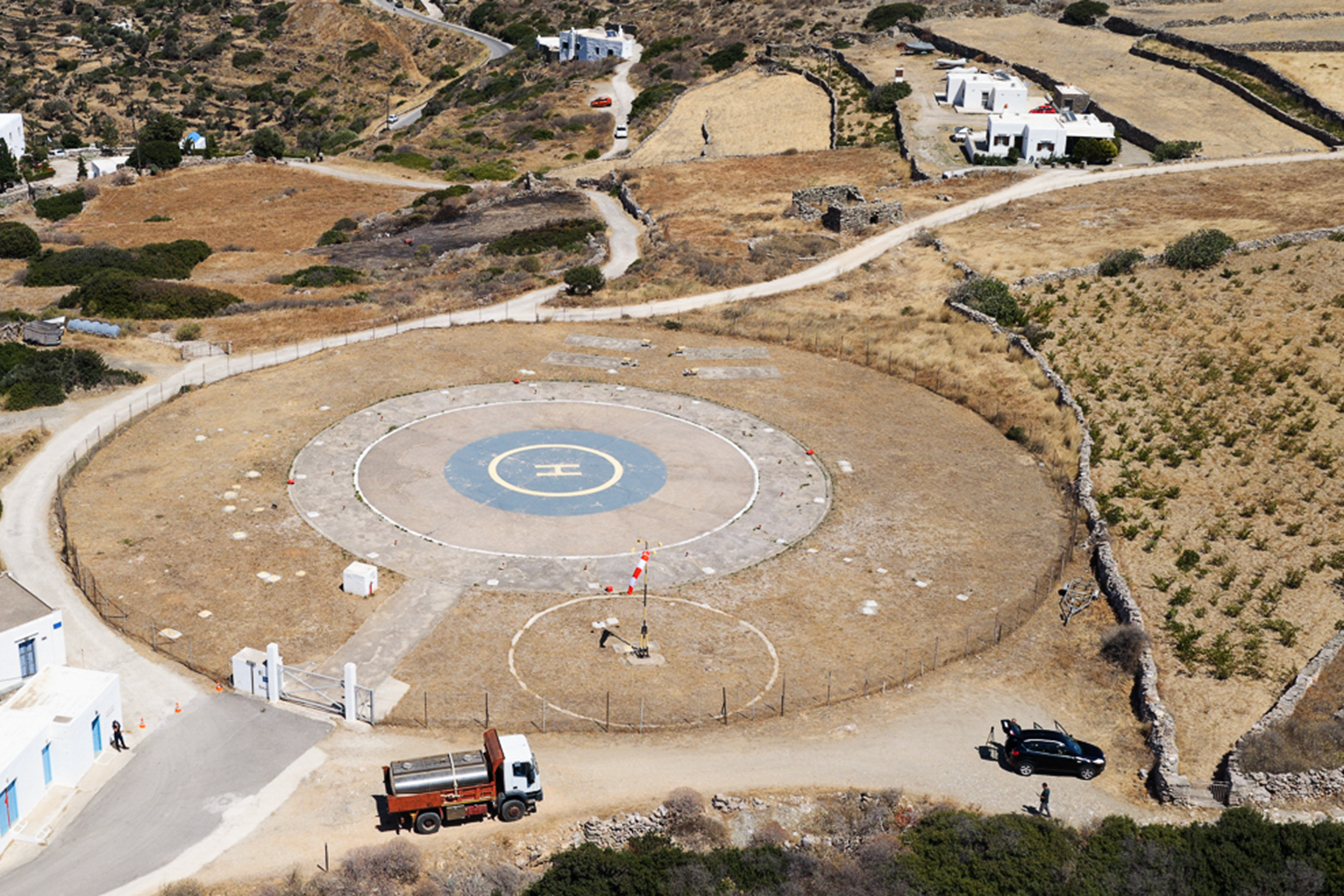
A three-member team of officers from the Greek FBI has traveled to Sifnos as authorities examine the circumstances surrounding the crash in the Tholos area.
Investigators are particularly focused on footage showing the helicopter apparently entering a spin shortly before the crash, suggesting a possible loss of control. Residents have also reported seeing smoke when the helicopter was less than 50 meters from the helipad, followed immediately by the crash.
However, authorities face an additional challenge: communications with aircraft pilots reportedly do not work properly in the area where the helicopter went down. As a result, there may be no recorded communication describing whether the pilot experienced a technical problem shortly before the crash.
Five possible causes under investigation
According to experts consulted by Ta Nea, investigators are examining several possible explanations for the apparent loss of control.
One possibility is a problem with the helicopter’s tail rotor, which helps control the aircraft’s rotation around its vertical axis. Changes in rotor speed and angle during takeoff or landing can create forces that the tail rotor may suddenly be unable to counteract.
Experts said similar helicopter crashes have occurred in recent years in the United States, Australia, Britain and elsewhere during takeoff or landing, with the aircraft entering a spin shortly before impact.
In such circumstances, the helicopter can begin rotating suddenly and without an instruction from the pilot, with the rotation accelerating rapidly.
Three additional mechanical scenarios are also being examined.
1. A transmission shaft failure
Investigators will examine whether the transmission shaft that transfers rotational movement from the helicopter’s transmission system to the tail rotor failed.
These shafts are a critical part of the helicopter’s operation and are inspected, repaired or replaced at intervals of 2,500 flight hours, with the first inspection taking place at 1,500 hours. The cost can exceed €20,000 to €30,000.
2. A problem with the tail-rotor pitch system
Another possibility is a failure in the mechanism that changes the angle of the tail-rotor blades as they move through the air.
If the system becomes stuck, breaks or becomes disconnected, the helicopter could begin rotating uncontrollably to the right or left.
3. A failure in the pilot’s control mechanism
Investigators will also examine whether the mechanism transmitting the pilot’s commands to the tail rotor malfunctioned.
Experts have additionally raised the possibility that the tail rotor itself could have been damaged by a collision with a large bird during the helicopter’s descent.
International aviation authorities have examined 301 reported bird strikes involving helicopters that resulted in four or five serious accidents in recent years in France, Australia and elsewhere.
Maintenance records also under scrutiny
Investigators are expected to closely examine the maintenance practices of the private helicopter rental company that operated the aircraft.
The company was established in 1992 and operates a fleet of at least seven helicopters. Authorities will examine whether the aircraft was properly maintained and whether the required procedures were followed.
They will also investigate when inspections of the company’s helicopters were carried out by Greece’s Civil Aviation Authority, amid references to relatively infrequent inspections of helicopters.
The authority’s latest report states that there is a limited number of reports of incidents and near-misses involving helicopters — only 10 to 12 per year — and says this indicates an inadequate safety culture among the relevant operators.
The company previously specialized in aerial cleaning of power utility insulators for Greece’s Public Power Corporation. One of its helicopters was involved in a serious accident in Rethymno, Crete, in 2010 that injured passengers.
At the time, legal action by the pilot’s side — who was not assigned any responsibility for the accident — included allegations of inadequate inspections and failure by the company to follow necessary procedures. Responsibility was also sought from the Civil Aviation Service, while company officials disputed those allegations.
Smoke could provide another clue
The reports of smoke shortly before the crash are also being examined.
Experts said that if the witnesses’ accounts are confirmed, smoke could potentially have been produced by a serious mechanical failure involving a transmission shaft or another component of the transmission system.
Such a failure could produce metal fragments, overheating or a lubricant leak, among other effects.