 Μake us preferred on Google
Sudan’s expanding use of drone warfare is taking a heavy toll on civilians, with aerial attacks responsible for approximately 73% of all civilian deaths documented by the United Nations in 2026.
The UN human rights office has verified 2,230 civilian fatalities between January and November 17, including more than 1,630 people killed in drone strikes. It cautioned that the actual number of deaths is probably considerably higher.
The findings come as the country’s military and the paramilitary Rapid Support Forces (RSF) continue their fight, which began in April 2023. Both forces have increased their use of drones in recent months, bringing attacks to areas far removed from the main battle zones.
UN High Commissioner for Human Rights Volker Türk denounced the actions of the warring parties, warning that their conduct shows a “brazen disregard for the laws of war” and may constitute war crimes.
Civilian infrastructure increasingly under attack
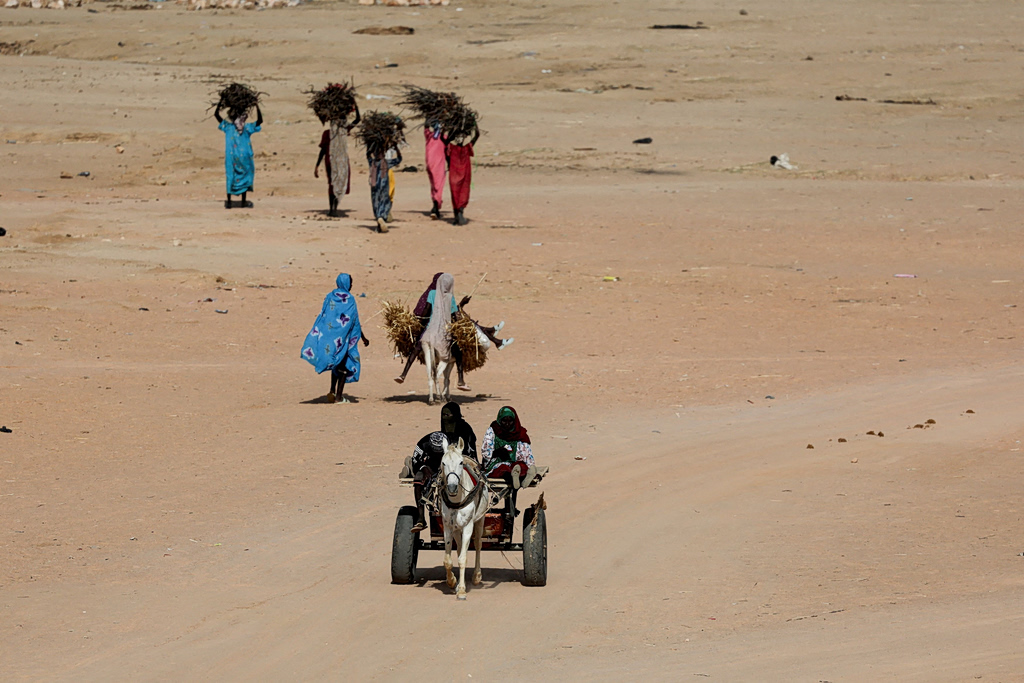
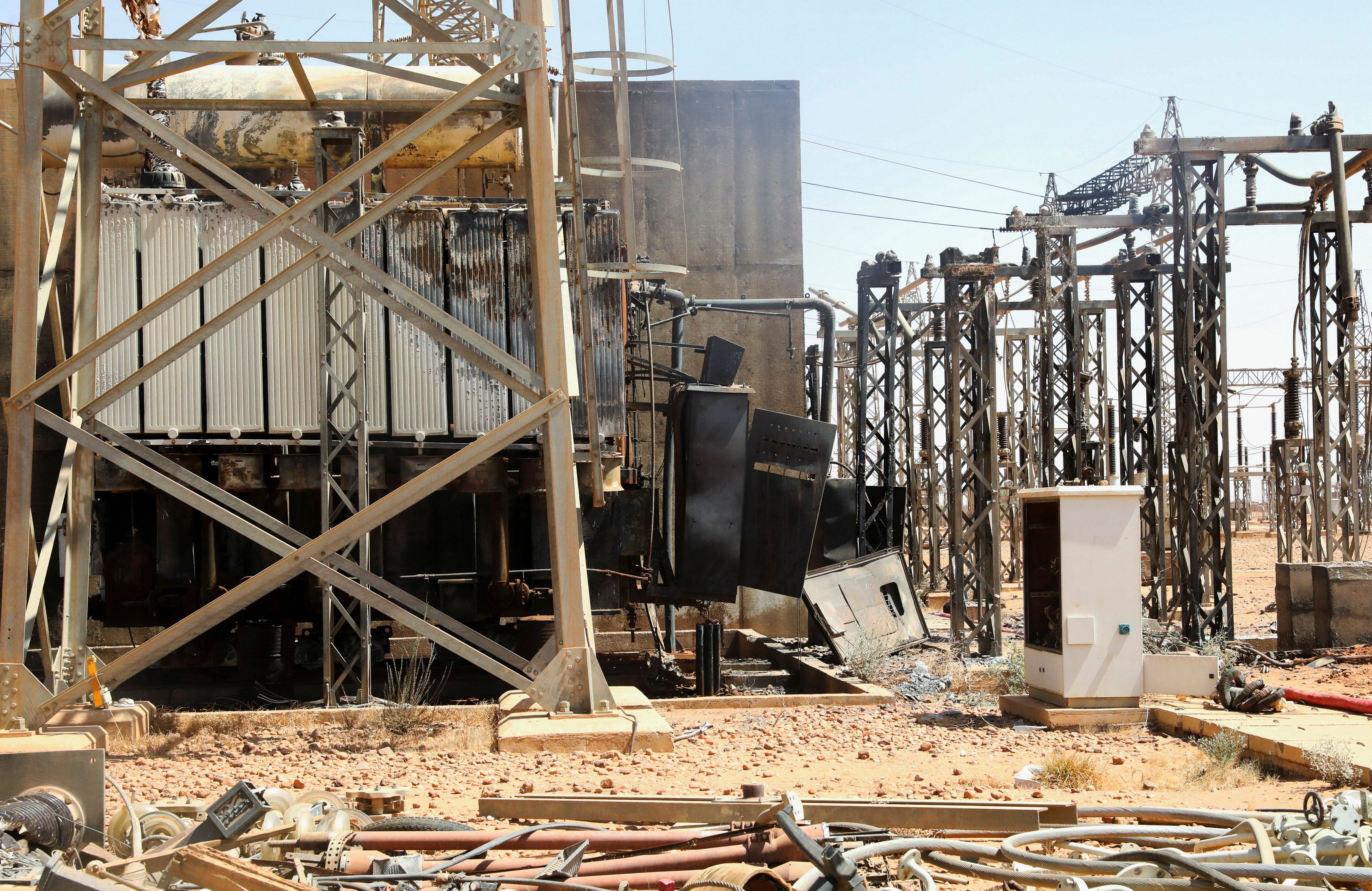
The consequences of drone warfare extend beyond the immediate loss of life. Attacks are increasingly affecting infrastructure that communities depend on to meet basic needs, including water sources and electricity networks, the UN said.
The agency’s report, which examines developments from January to June, identifies the spread of drone strikes as a defining element of the Sudanese conflict. Unlike attacks concentrated around areas of territorial control, drones allow the opposing forces to reach targets well beyond their positions and established front lines.
The rising civilian death toll recorded since the report’s six-month reporting period underscores the continuing scale of the threat. More than 1,630 of the 2,230 civilian deaths verified so far this year have been attributed to drone attacks, according to the UN.
Türk’s warning places renewed focus on the conduct of both parties and the growing danger facing civilians as the conflict continues.