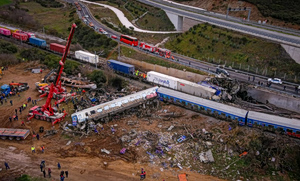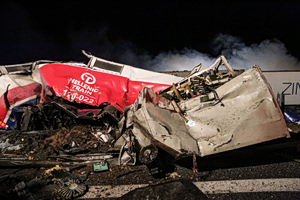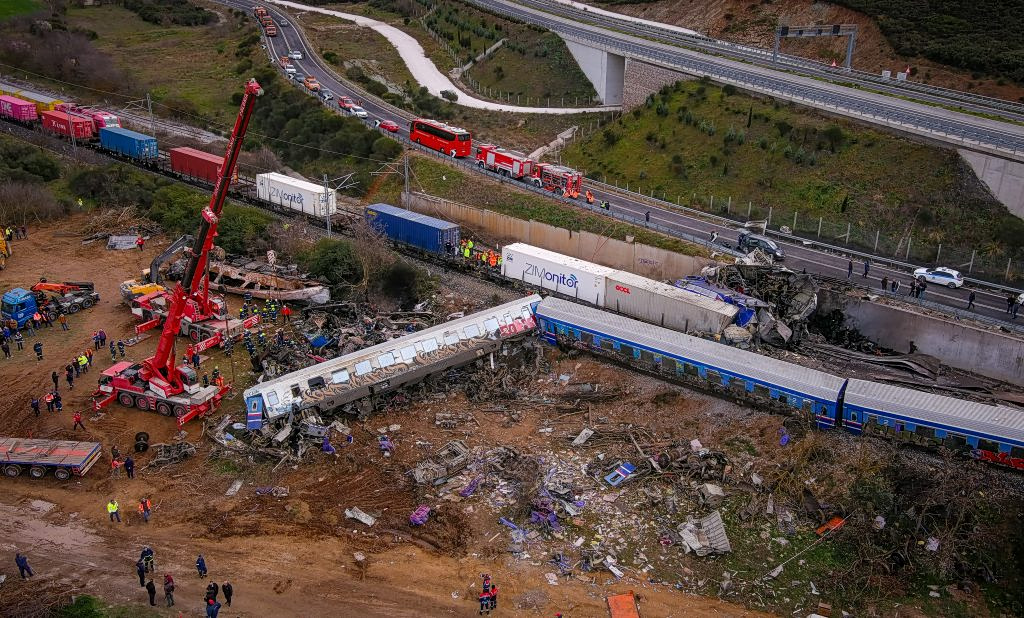
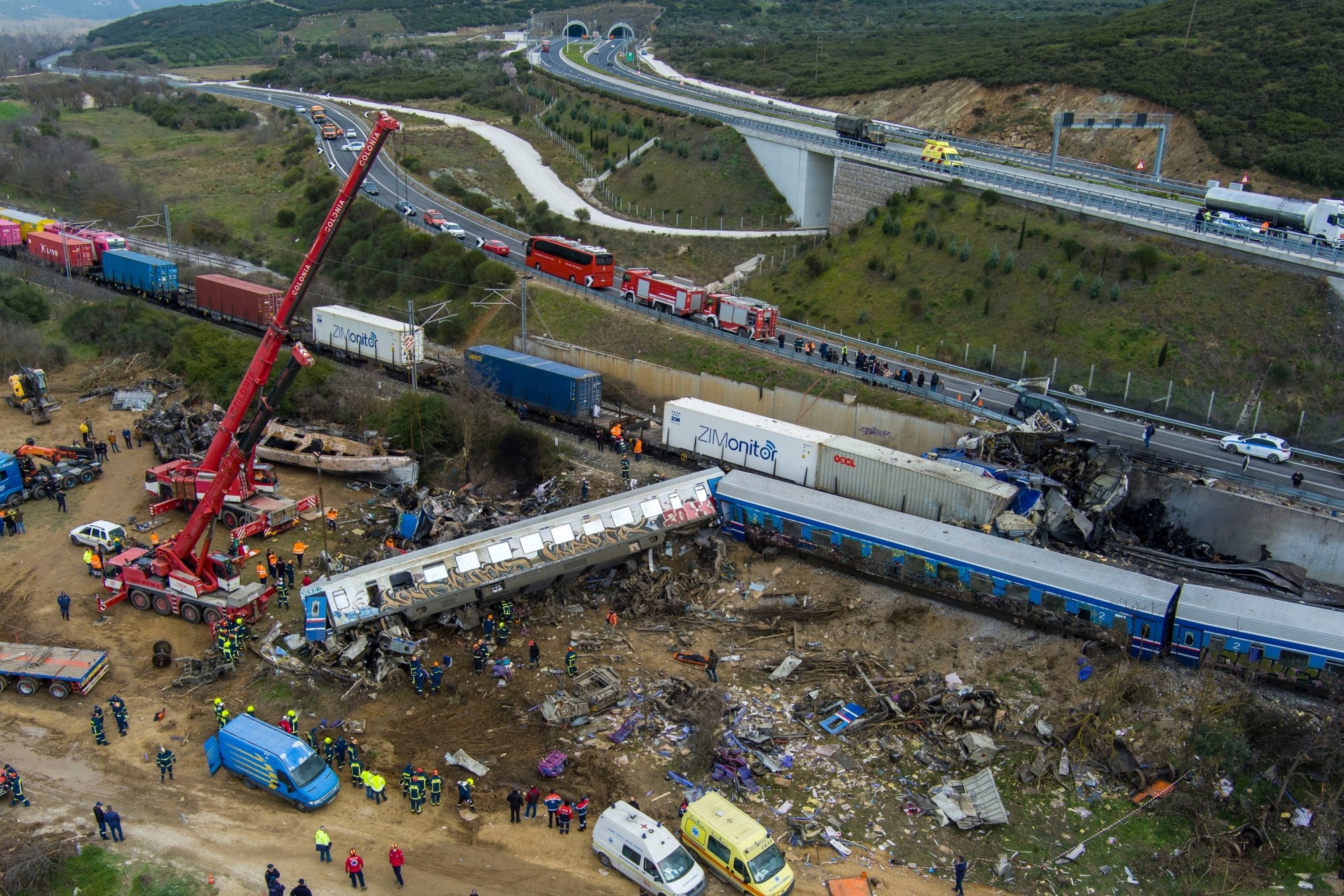
The prosecutor overseeing the investigation into the Tempi rail disaster has canceled the exhumation of several victims that had been scheduled for Saturday, Feb. 21, 2026, following objections from their families over how forensic testing would be conducted.
According to information from judicial sources, Prosecutor Aikaterini Papaioannou, who is responsible for supervising the exhumation process, halted the procedure after relatives raised concerns about where and how DNA and other forensic samples would be analyzed.
Dispute Over DNA and Forensic Testing
At the center of the disagreement is the location and scope of laboratory testing.
Families of the victims have requested that both DNA and histological examinations be carried out in specialized laboratories outside Greece. They argue that international testing would help ensure the completeness and reliability of the investigation.
Greek judicial authorities, however, had opted for DNA testing within Greece and limited the scope of the examinations to DNA analysis only.
Relatives maintain that without a broader range of toxicological and forensic tests — including the types of chemical substances to be examined — the exhumations would not yield the necessary evidence to clarify the circumstances surrounding the tragedy.
Legal Action by Families
Earlier this week, families of victims sent a formal legal notice to the public prosecutor’s office in Larissa, setting a deadline of noon Friday for authorities to take specific actions regarding the exhumations.
In the notice, the families called for the immediate appointment of an independent expert and requested that examinations of the remains be ordered in specialized laboratories abroad. Their stated goal was to safeguard the integrity and thoroughness of the investigative process.
Nine families in total had requested the exhumation of their children’s remains, seeking additional specialized testing outside Greece. According to the families, their initial request had been accepted, and they were awaiting final procedural steps. They later say they were informed that while the exhumations would proceed, they would not be permitted to send samples abroad.
Planned Exhumations in Thessaloniki
The first two exhumations were set to take place in Thessaloniki and concerned Marthi Psaropoulou, daughter of Maria Karystianou, and 20 year old Fratzeska Beza.
Parents had already received official communication from police authorities requesting that the municipality responsible for the cemetery provide the necessary equipment and personnel for the process. The Forensic Science Service of Northern Greece was also asked to assign staff to photograph and videotape the procedure. A court-appointed medical examiner was instructed to carry out the required duties, while a technical adviser for the families and forensic doctors from Larissa who handled the initial Tempi case were called to attend in their current procedural capacity.
However, the documents reportedly did not specify where the remains would be transported after exhumation — another point that raised concern among relatives.
Concerns Over Scope of Investigation
A forensic expert cited in the families’ appeal points to what he describes as significant gaps in the prosecutor’s order, particularly regarding the range of chemical substances to be tested.
The families argue that without ensuring the full spectrum of recommended toxicological and forensic analyses, the exhumation process would not provide the evidence needed to fully clarify the conditions and causes surrounding the Tempi rail disaster.
With the exhumations now canceled, it remains unclear what the next procedural steps will be.