 Μake us preferred on Google
 Throughout the month of October, Greece assumes rotating presidency and will hold a seat on the United Nations Security Council (UNSC), for the second and final time during its 2025-2026 term as an elected, non permanent member. Athens plans to focus on a range of issues, from maritime security and freedom of navigation, peaceful dispute resolution, women, peace and security, and the protection of children in armed conflict.
Greece finds itself assuming this role on the UNSC amid geopolitical turmoil, as the international stage faces several crises, from the Russia-Ukraine war and the unpredictability of U.S. President Donald Trump, to the Iran war and ongoing tensions in the Middle East, the subsequent energy crisis, starvation facing regions such as Sudan and the Congo, the global health crisis, and ultimately, the “efficiency test” facing organizations such as the United Nations.
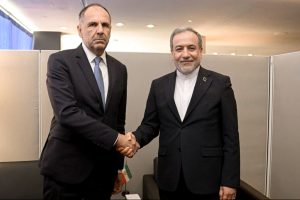
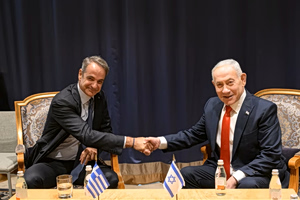
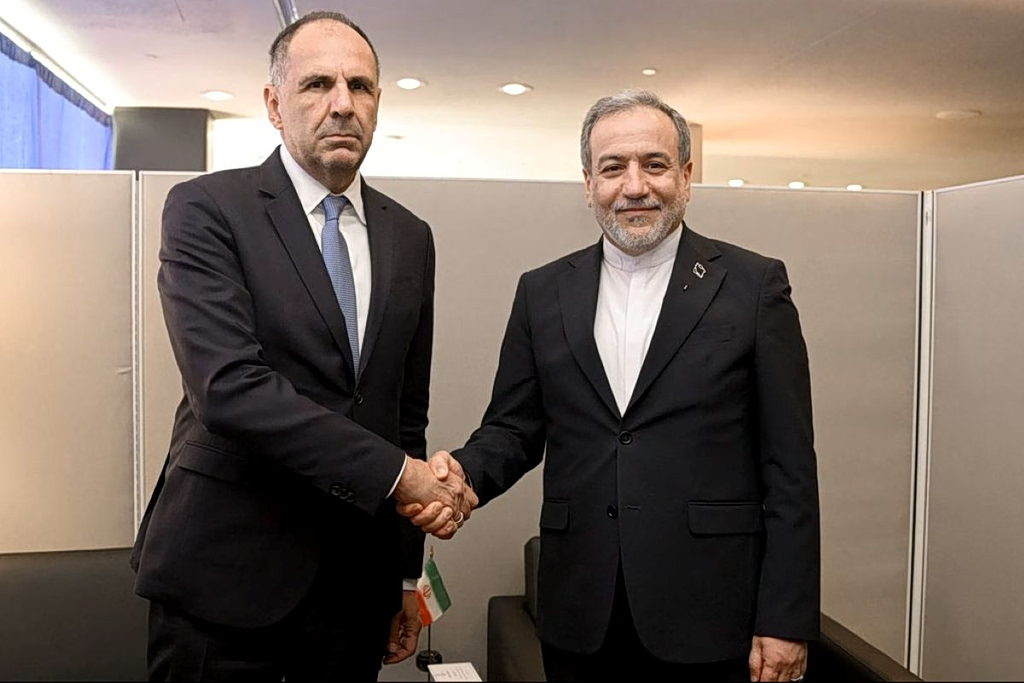
Meetings of Foreign Minister George Gerapetritis on the Sidelines of the 81st Session of the UN General Assembly in New York. Photo Credits: Ministry of Foreign Affairs / Penny Karachaliou
Foreign Minister George Gerapetritis has said Greece will seek to promote international law and multilateralism, with an aim to give a voice to countries outside the 15-member council. It has also been noted that Greece’s presidency coincides with the process of selecting the next UN Secretary-General, having been described as an important moment for the UN by Gerapetritis.
Gerapetritis is also expected to make one or more interventions during October, while Prime Minister Kyriakos Mitsotakis could also address the Council, as he did during Greece’s first presidency in May 2025. The October presidency comes as Greece prepares for another major international role, its presidency of the Council of the European Union in the second half of 2027.
Recently, Greece has invested significant time and resources in expanding its network of regional and international partnerships, particularly across the Eastern Mediterranean and the Gulf countries; having emphasized the importance of good neighbourly relations. Athens has repeatedly highlighted its emerging role as a stabilizing and peaceful actor in the region, while also positioning itself as an energy hub, through projects such as the Great Sea Interconnector and the hydrocarbon exploration initiatives.
Beyond this, Greece has also deepened its military partnerships with countries including France, Israel and others, in an aim to strengthen its strategic role in the region due to its central and pivotal geographical position. This growing role is also reflected in Greece’s hosting of US Secretary of State Marco Rubio in the coming week.
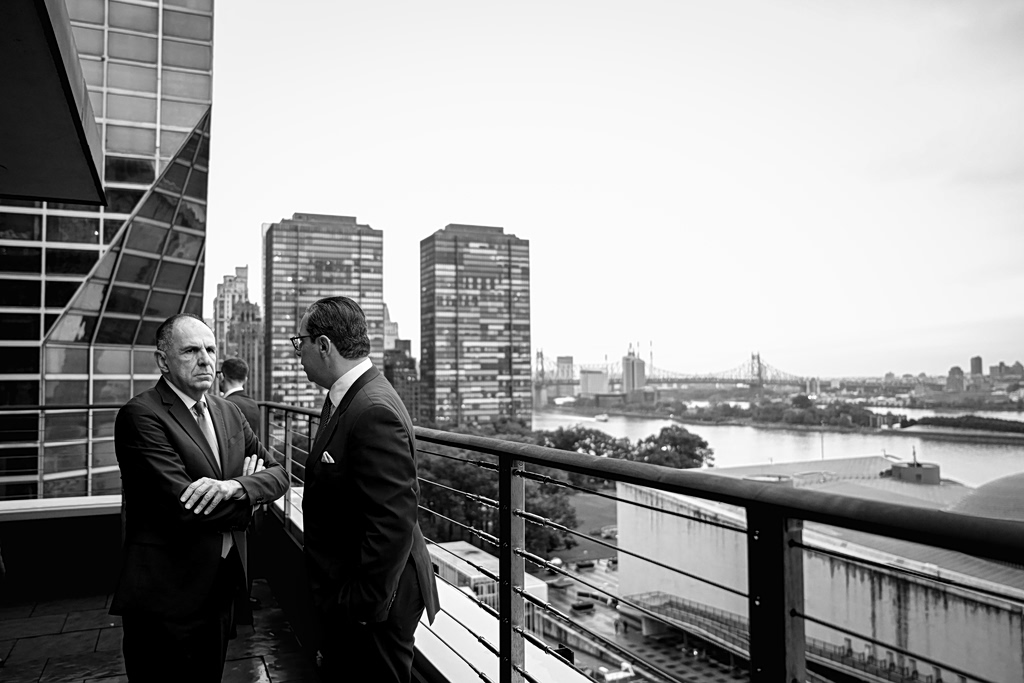
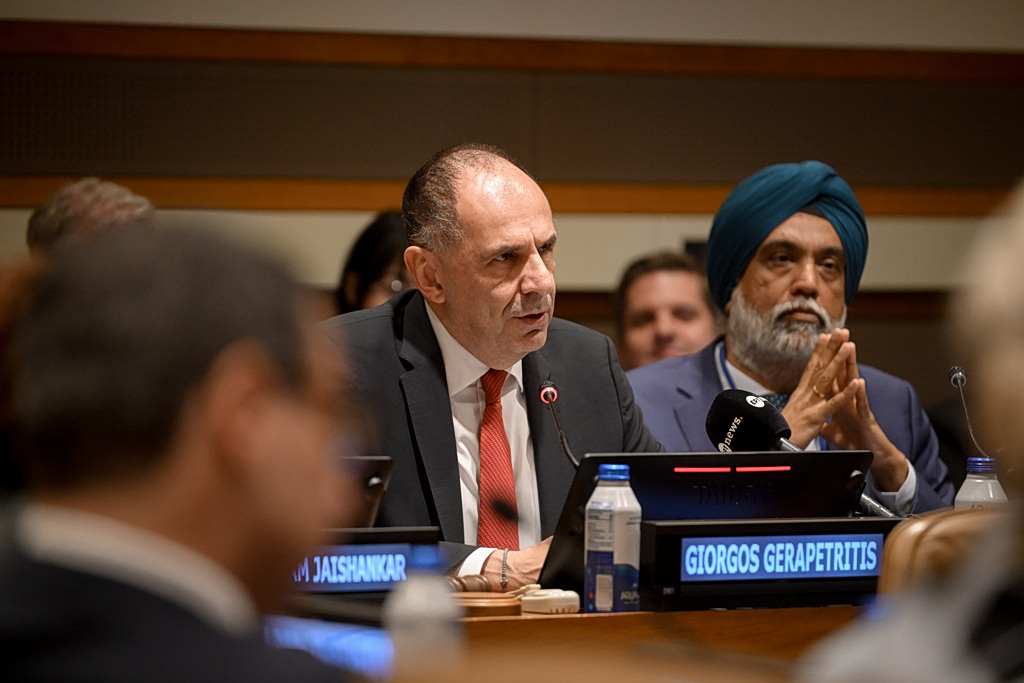
Foreign Minister George Gerapetritis at the Annual Ministerial Working Dinner on the Middle East, New York, Sept. 20, 2026 (Monday, Sept. 21, 2026) (Press Office, Ministry of Foreign Affairs / Penny Karachaliou / Eurokinissi)
Yet, this is not the first time Greece has found itself holding a seat during a period marked by critical international developments. In February 1952, Greece, freshly out of the Greek Civil War, took its seat on the UNSC alongside Brazil, Chile, China, France, Netherlands, Pakistan, Turkey, Union of Soviet Socialists Republics, United Kingdom of Great Britain and Northern Ireland, and the United States of America. That marked the first time Greece held rotating presidency in the UNSC.
From the Greek crisis to the Security Council
Greece’s position at the United Nations had already been shaped by the country’s civil conflict.
During the late 1940s, the UN had become directly involved in disputes surrounding the Greek Civil War and allegations of support for Greek communist forces from neighboring countries. The United Nations Special Committee on the Balkans, established to investigate the situation, remained part of the international machinery surrounding the Greek question.
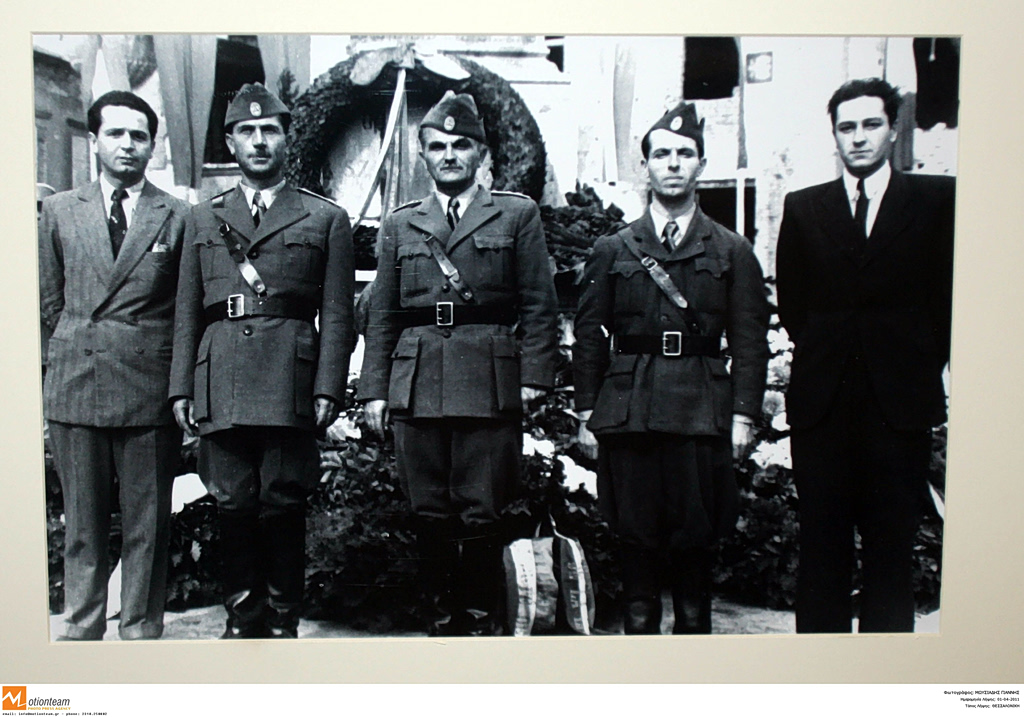
Thessaloniki – Photo Exhibition “The Activity of the Democratic Army of Greece, 1946–1949” and “The Life of Political Refugees” (MotionTeam/Giannis Moysiadis)
By the time Greece joined the Security Council, however, the country was moving away from being the subject of special UN scrutiny and toward a more conventional role within the organization’s decision-making structures.
The Greek Foreign Ministry’s Diplomatic and Historical Archives has preserved 128 documents from the period of 1950-53. The documents from 1952–1953 are arranged in strict chronological order and were selected to highlight the principal issues addressed by the Greek delegation to the Security Council during Greece’s participation as a non-permanent member. The documents offer a glimpse into how Athens approached its new role, while the UN’s meeting records provide a direct account of the positions taken by the Greek delegation.
Greek Debut in the UNSC and the Importance of February 1952
Greece began its first term as a non-permanent member of the United Nations Security Council in January 1952, entering one of the most consequential international bodies at a time of mounting Cold War tensions.
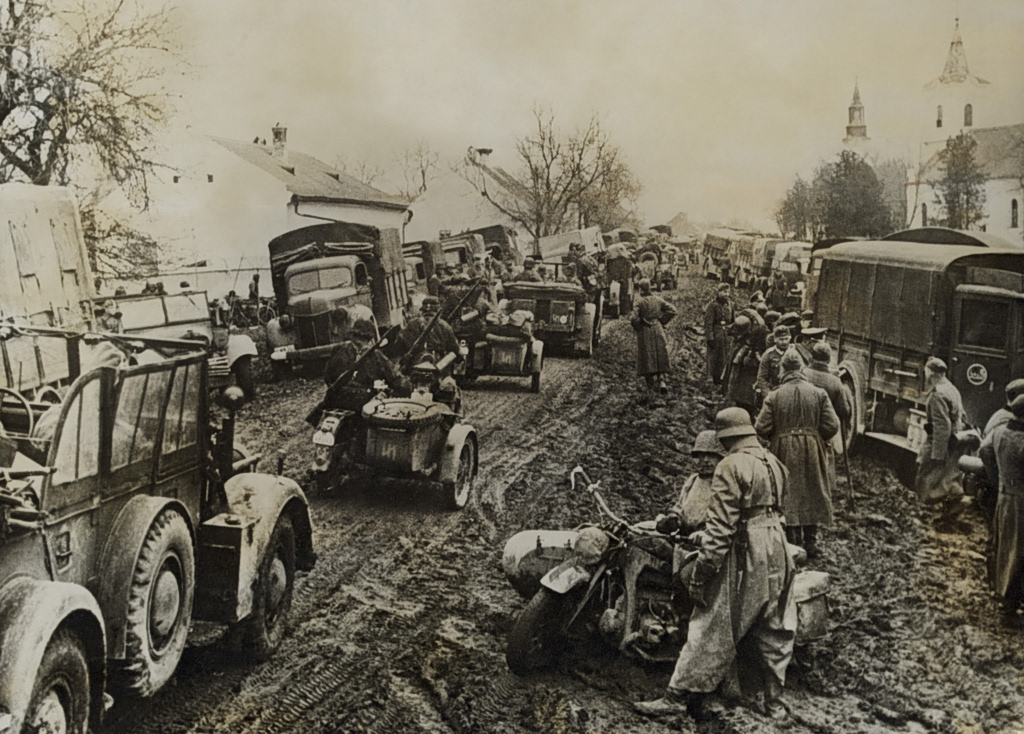
German army units invading Greece in April 1941 in heavy spring rains. Italy had attacked Greece in Oct. 1940, but were pushed back to Albania by the Greek Army. Shutterstock
World War II had ended in 1945, leaving much of Europe and the wider international system in political upheaval. Simultaneously, the postwar period gave way to the Cold War, as tensions between the United States and the Soviet Union increased. The conflict between the two blocs also placed growing pressure on the newly established United Nations, as Western allies pushed to strengthen the bloc and collective security against the Soviet Union. Then, the outbreak of the Korean War in 1950, further intensified the international pressures countries and regions faced at the time.
For Greece, these developments had a direct strategic dimension. The country occupied a key position in the Eastern Mediterranean and had become closely aligned with the United States and other Western powers in the years following World War II; something that was brought up by the Soviet Union during the Security Council meeting on the 6th of February, 1952.
The country had been elected to the Council for the 1952–53 term, with diplomat Alexis Kyrou, Greece’s permanent representative to the United Nations, serving as its representative. Kyrou would also assume the Council’s rotating presidency in February 1952.
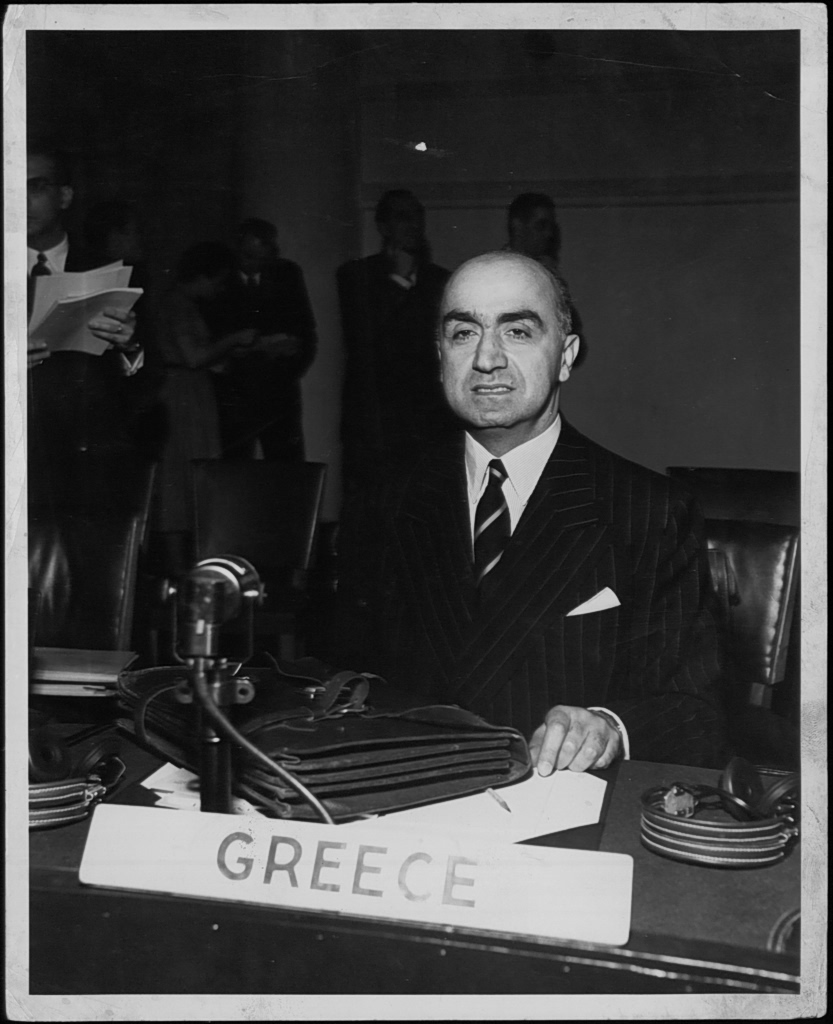
France – Paris – United Nations Security Council Meeting – Alexandros (Alexis) Kyrou – Greek Diplomat, Ambassador and Permanent Representative to the UN – Portrait
Ironically enough, not even in the same year but rather in the same month, Greece entered the North Atlantic Treaty Organization, along with Turkey in February 1952. The accession had been under discussion among NATO governments since 1950 and was formally agreed after a lengthy process in 1951.
Contemporary US policy documents described Greece and Turkey as strategically important to the security of the Eastern Mediterranean and supported their inclusion in the Western defense system. These documents make clear the significance of communism as a determining factor in Greece’s institutional deepening of its ties with the West. It was noted that Greece demonstrated progress towards political stability, specifically, as it was positively pointed out that Greek elections “showed less than 10% of the votes cast for the extreme left-wing parties.”
Greek Delegation and Topics at Hand
Kyrou presided over the Council in February 1952 as tensions between the major powers continued to shape its work. His role was not limited to chairing meetings. Greek participation in the Council reflected Athens’ broader interest in collective security and in strengthening the role of the United Nations in resolving international disputes.
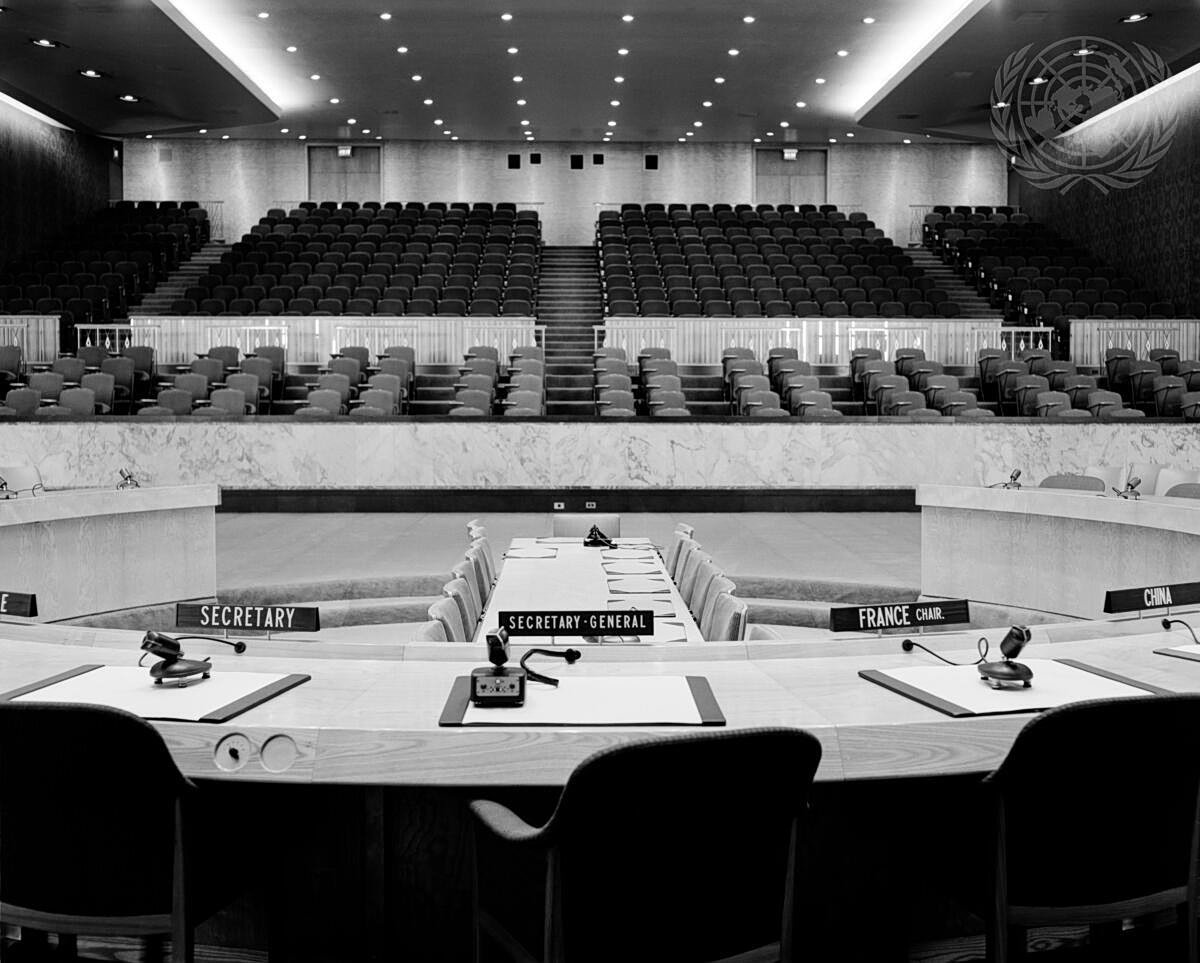
On the 6th of February 1952, at the Palais de Chaillot in Paris, Greece presided over the Five Hundred and Seventy-Third Meeting of the UNSC. At the time, King George VI of the United Kingdom had recently passed away, and most countries, including Greece, opened the meeting by paying tribute to the memory of the late monarch.
The main points on the agenda of the meeting included a French proposal (S/2443) for Italy’s application to the United Nations and a Soviet Union draft resolution (s/2449), proposing the simultaneous admission of 14 states, namely Albania, Bulgaria, Mongolia’s Peoples Republic, Romania, Hungary, Finland, Italy, Portugal, Ireland, Jordan, Austria, Ceylon, Nepal and Libya for admissions to membership of the UN. Another issue that was discussed at large during the meeting and throughout the year was Libya’s application for UN membership amidst the recognition of its independence.
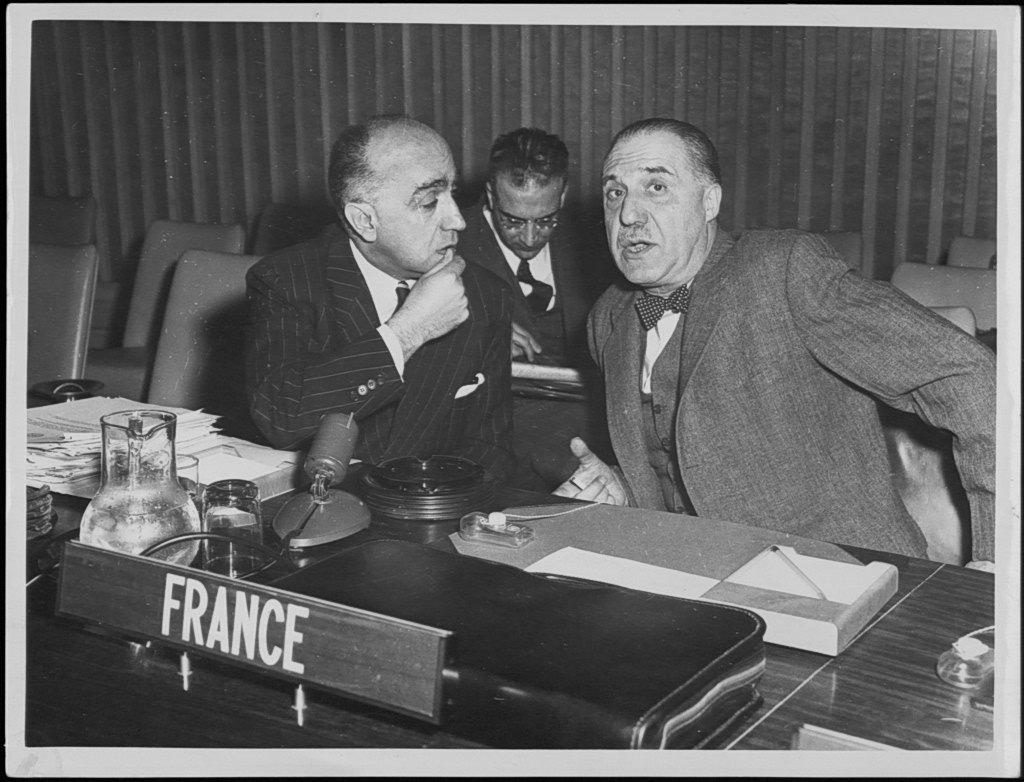
Alexandros (Alexis) Kyrou – Greek Diplomat, Ambassador and Permanent Representative to the UN – in Conversation with His French Counterpart Henri Hoppenot (File: 0158339.jpg)
The Greek delegation supported the French proposal on the grounds that Italy fulfilled the prerequisites and conditions established for admission to the United Nations. At the same time, it voted against the Soviet Union’s draft resolution.
Throughout its speech, Greece emphasized Italy’s “peace-loving” character and referred to a resolution adopted by the General Assembly on December 7, 1950, by a majority of 50 votes to 5, affirming that Italy fulfilled the conditions necessary for membership in the United Nations. Greece also referred to the end of hostilities between Greece and Italy, which had previously existed, and noted that Italy had “thrown off” the influence of fascism, regained political balance, and established good-neighborly relations with Greece. The Greek delegation described Italy’s continued exclusion from the United Nations as unjust, while emphasizing the country’s rich cultural heritage.
Noting the negative attitude of the Soviet Union, the Greek delegation explained its vote against the Soviet resolution by arguing that it undermined the foundations of the UN Charter and would improperly implement the principle of universality in admissions, as exemplified by Article 4. Greece reiterated its position that universality should always be applied alongside the principle of non-discrimination, with both principles being applied with “equal impartiality and objectivity.” In essence, the Greek delegation opposed the mechanical, wholesale admission of states to the UN.
The Soviet Union delegation responded by stating that the Greek representative had, unsurprisingly, repeated the same arguments made by the United States representative. It then dismissed Greece’s election to the Security Council, arguing that “Greece was elected to membership of the Security Council by the efforts of the United States in gross violation of the United Nations Charter and of the London Agreement, precisely in order that its delegation should repeat in the Council word for word what the United States representative says here.”
The confrontation over Italy’s admission reflected the wider diplomatic environment in which Greece operated during its first term on the Security Council, where questions of international cooperation were increasingly intertwined with the divisions of the early Cold War.
For Greece, it is safe to say that 1952 — and particularly February — was a significant and defining period. The country simultaneously took part in the UN’s central security body and entered NATO, strengthening its institutional and regional position while marking a transition from its recent experience of civil war toward a more prominent role in the international system.