The recent rise in West Nile virus cases in Greece, particularly in the Attica region, is being linked mainly to weather conditions that have favored the growth of mosquito populations, according to Theodoros Vasilakopoulos, president of the National Public Health Organization (EODY) and a professor of pulmonology and intensive care.
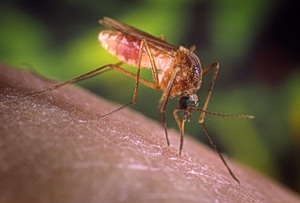
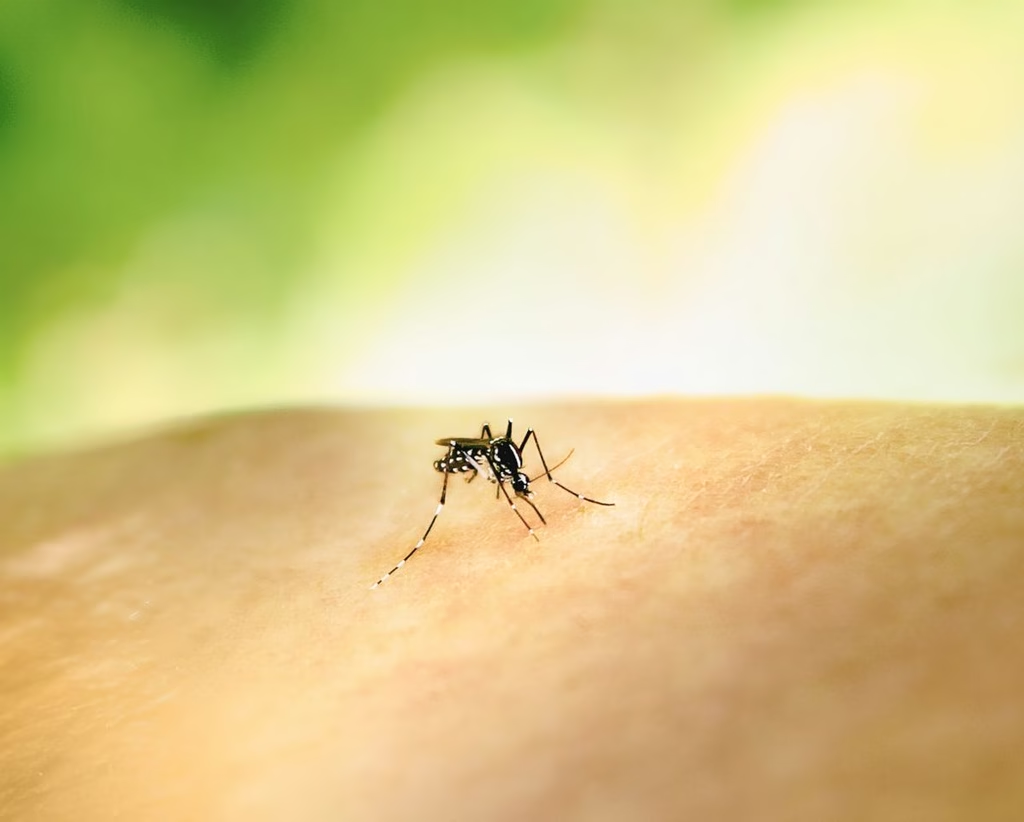
Vasilakopoulos said the West Nile virus has been endemic in Greece since 2010 and is transmitted by common mosquitoes, which become infected through contact with wild birds.
Why cases are increasing
The increase in cases in Attica is primarily attributed to meteorological conditions, with higher humidity, standing water and increased rainfall creating favorable conditions for mosquitoes to reproduce.
Asked why Attica has emerged as the focus of the recent increase, Vasilakopoulos said that “the weather conditions that prevailed in Attica favored the greater development of the mosquito population.”
He stressed that the situation requires vigilance rather than particular alarm.
Because the virus has been endemic in Greece since 2010, it cannot be completely eliminated. Doing so would require the total elimination of mosquitoes, which Vasilakopoulos said is impossible and could also be dangerous for flora and fauna because of the use of insecticides.
A specific spraying protocol is in place to limit the spread of the virus, with measures determined by the climatic conditions in each area.
“When we have a case in an area, spraying is carried out around that area, and when we have a cluster of cases, spraying is carried out across the wider area,” Vasilakopoulos said. The spraying is conducted by the state through municipalities and regional authorities, in accordance with established protocols.
Protection against mosquito bites
Vasilakopoulos also emphasized the importance of individual protection, recommending the use of insect-repellent sprays or lotions, as well as household mosquito-repellent devices such as lamps, ultrasonic devices and other deterrents.
He also recommended using fans and wearing long clothing, particularly during evening hours when spending time outdoors.
Most infections cause no symptoms
West Nile virus infection is asymptomatic in most cases. About 20% of infected people develop a mild fever, while fewer than 1% — particularly people with serious underlying conditions, older adults or those who are immunocompromised — may develop severe disease affecting the central nervous system.
Symptoms including headache, dizziness and disorientation combined with fever should prompt immediate medical evaluation to ensure an accurate diagnosis and appropriate treatment.
“It is a possibility that we need to check for,” Vasilakopoulos said.