 Μake us preferred on Google
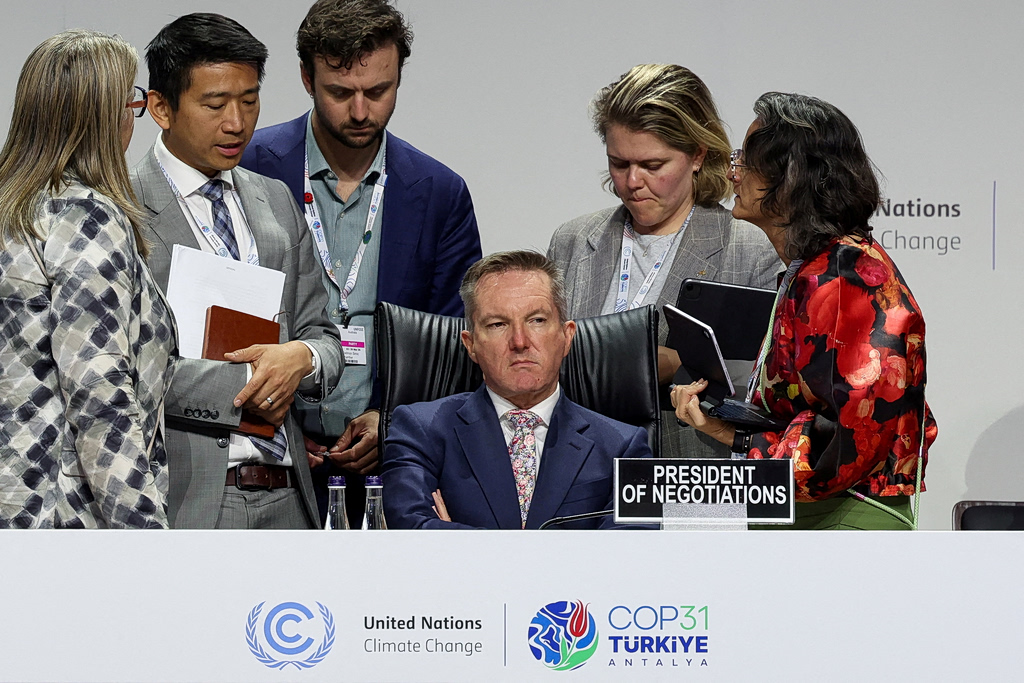
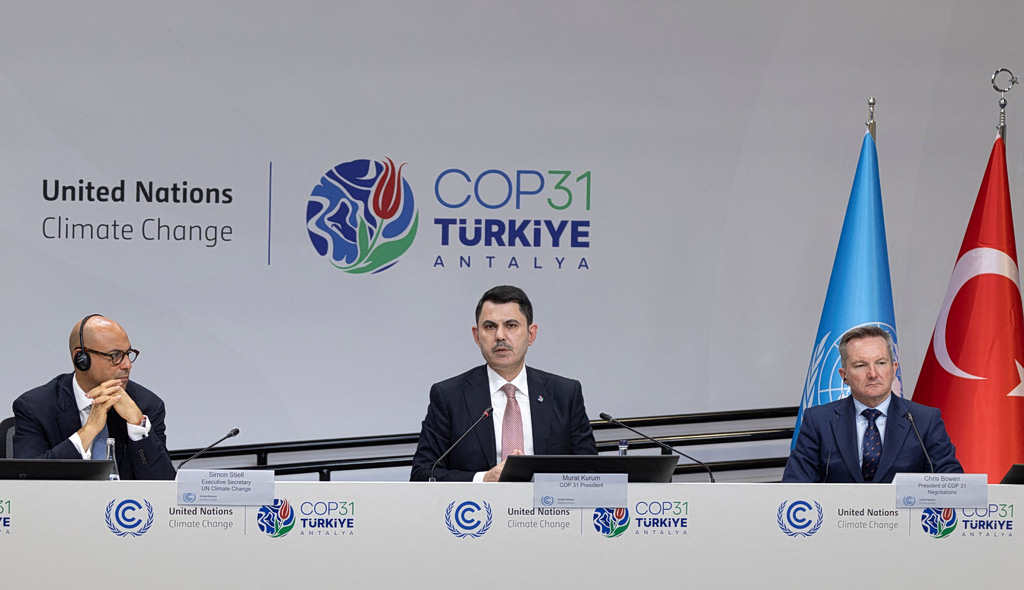
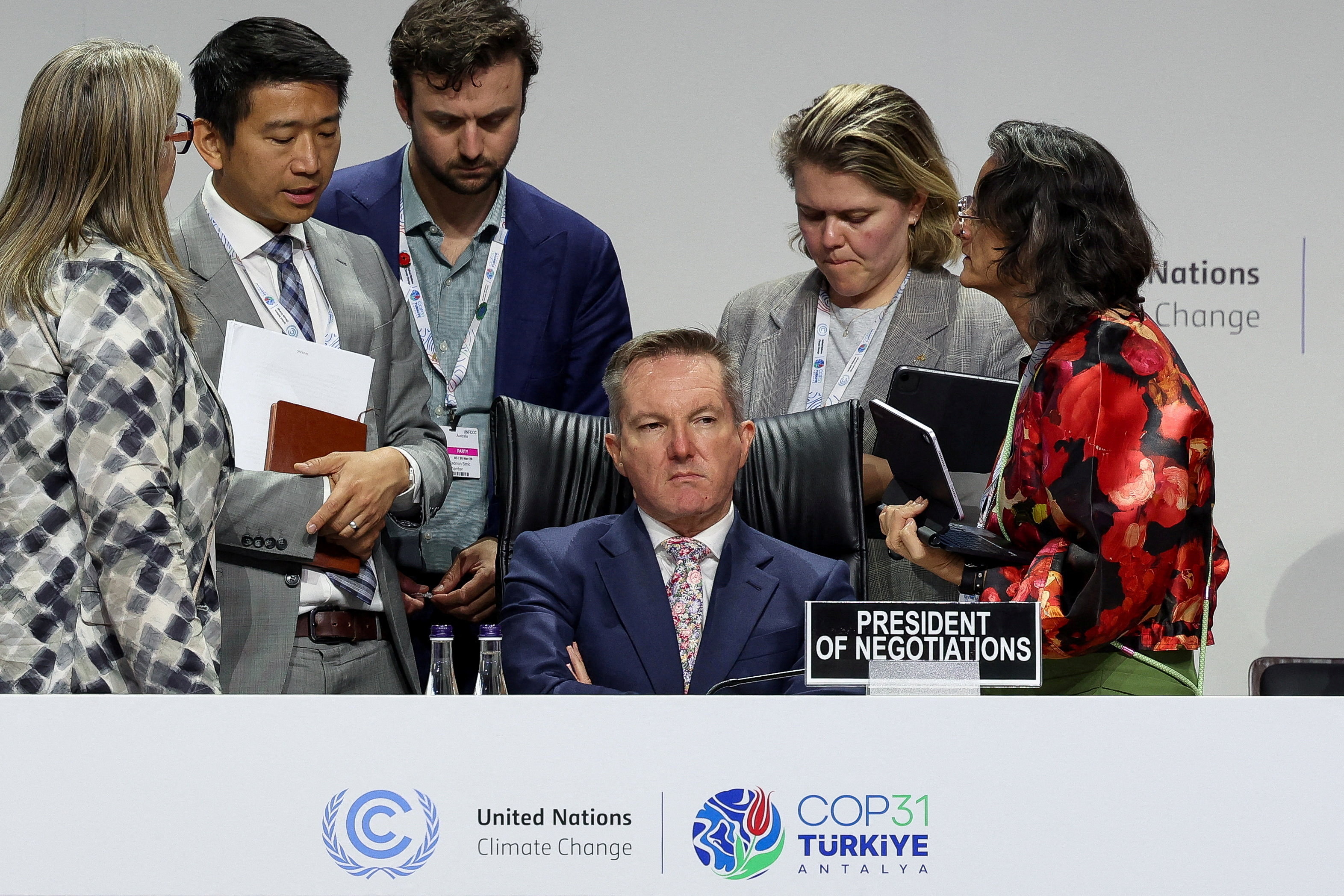
After more than two weeks of negotiations and a two-day extension, COP31 in Antalya, Turkey, ended without a central political agreement. The European Union, Britain, Norway and a number of developing countries refused to sign off on the final text, saying it did not match the urgency of the climate crisis.
The main sticking point was the absence of any explicit reference to fossil fuels. Oil, gas and coal, the main sources of the emissions that drive global warming, once again proved the biggest stumbling block in international talks.
UN Secretary-General António Guterres said he was “deeply disappointed,” noting that fossil fuels are the driving force of the climate crisis. Irish Environment Minister Darragh O’Brien, speaking for the EU, made clear that the bloc could not accept a deal that did not include a single reference to fossil fuels.
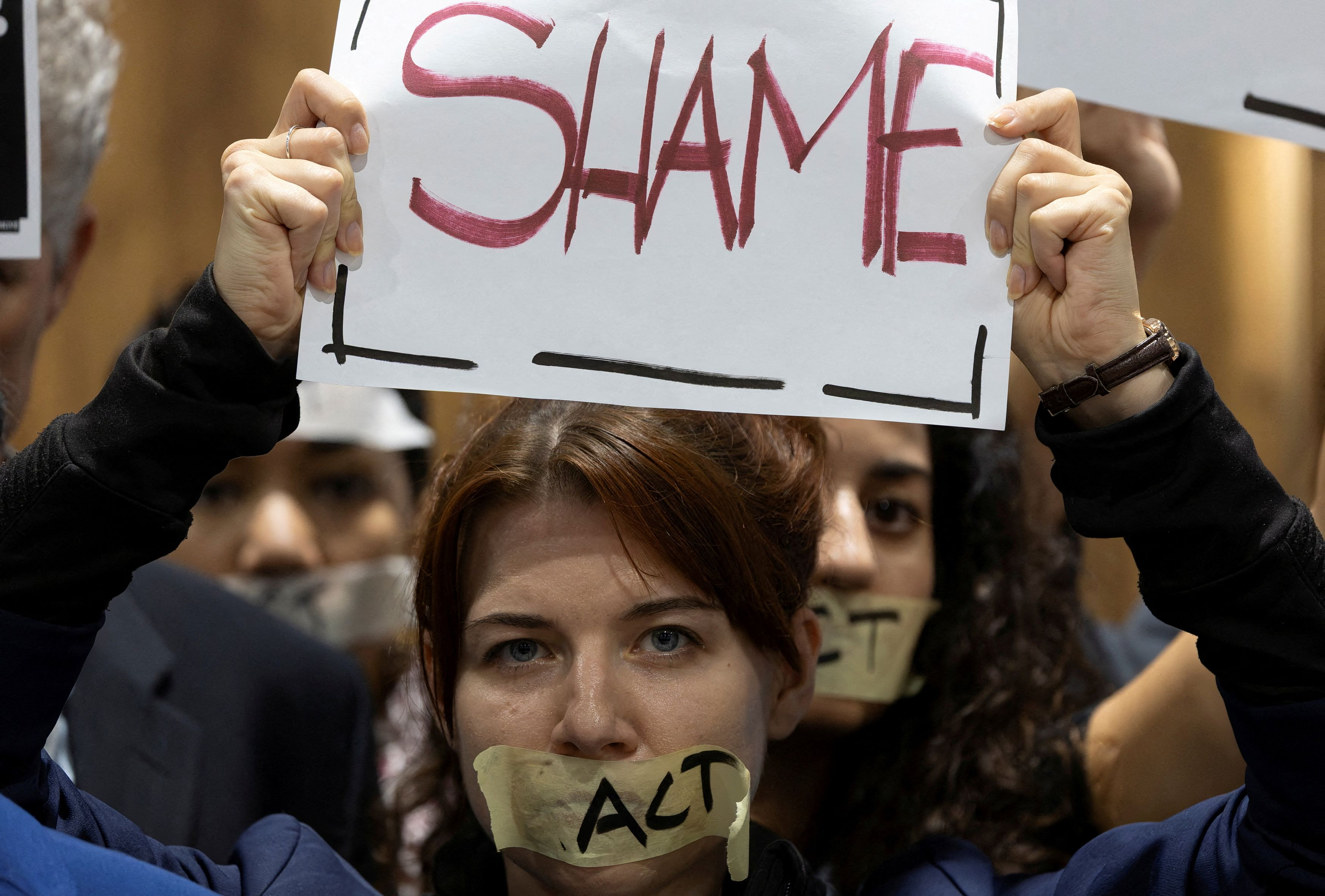
Activists unsatisfied with the second draft text at COP31 hold a silent protest outside the plenary hall, where delegates meet at the UN Climate Change Conference (COP31) in Antalya, Turkey, November 20, 2026. REUTERS/Umit Bektas
Oil Won’t Give Up
About 130 countries wanted the final text to include a commitment to a fair and gradual transition away from fossil fuels, as agreed at COP28 in Dubai in 2023. However, Saudi Arabia and other oil-producing countries opposed any new explicit reference.
The clash was not limited to oil. Funding for developing countries was also on the table. These countries are asking for more resources to deal with the effects of climate change, even though they have contributed far less to historical greenhouse gas emissions.
At the same time, the draft agreement acknowledged that the planet is heading toward overshooting the 1.5 degrees Celsius limit, and it called for faster deployment of technologies that remove carbon dioxide from the atmosphere. This approach drew criticism, amid fears that the promise of future carbon removal could serve as an excuse to keep extracting and burning fossil fuels.
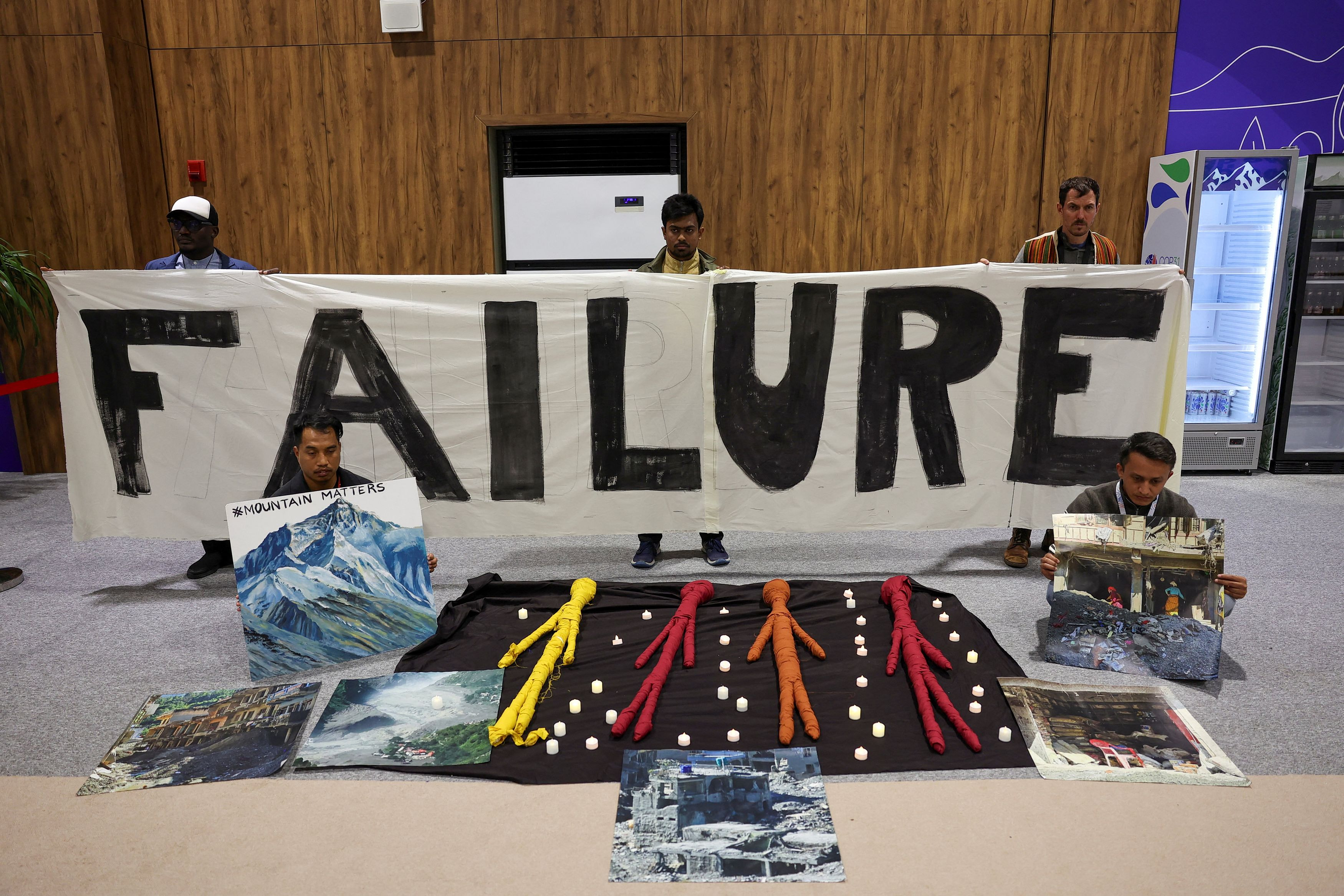
Activists unsatisfied with the second draft text at COP31 hold a silent protest outside the plenary hall, where delegates meet at the UN Climate Change Conference (COP31) in Antalya, Turkey, November 20, 2026. REUTERS/Kaan Soyturk
Technology Is Not Yet A Magic Solution
This is one of the biggest contradictions of our time. In a world investing billions in artificial intelligence, automation and the digital revolution, the energy transition still runs into serious technical, economic and political obstacles.
Carbon capture and storage, as well as direct removal of carbon dioxide from the atmosphere, are real technological possibilities. However, they have not yet reached the scale needed to offset current emissions. Scientists warn that they cannot replace drastic cuts in fossil fuel use.
The picture is similar for clean energy infrastructure. Solar and wind power are growing rapidly, but power grids, energy storage and the necessary investment are not keeping pace everywhere. According to the International Energy Agency (IEA), more than 2,500 GW of renewable energy, storage and large-consumer projects worldwide are still waiting to be connected to power grids.
Artificial intelligence can help optimize energy production and consumption, forecast demand and run grids more efficiently. However, it is not an energy source and does not replace the infrastructure that is needed. On the contrary, the spread of energy-hungry data centers is increasing demand for electricity.
The Gap Between Pledges And Reality
The UN Environment Programme’s (UNEP) 2026 report warns that current national pledges are not enough to put the planet back on a path consistent with the 1.5 degrees Celsius goal by the end of the century. Much bigger and faster emission cuts are needed.
The collapse of COP31 does not mean that all international climate efforts have stopped, or that previous agreements have been canceled. It does, however, reflect a deeper difficulty. The world largely knows what it needs to do and already has much of the technology it needs. But it struggles to agree on who will pay, who will bear the cost and how quickly it will abandon the fuels that still underpin the global economy.
And as long as oil remains at the center of the energy and geopolitical balance, the green transition will remain more a difficult negotiation than an obvious path to the future.