
 Μake us preferred on Google
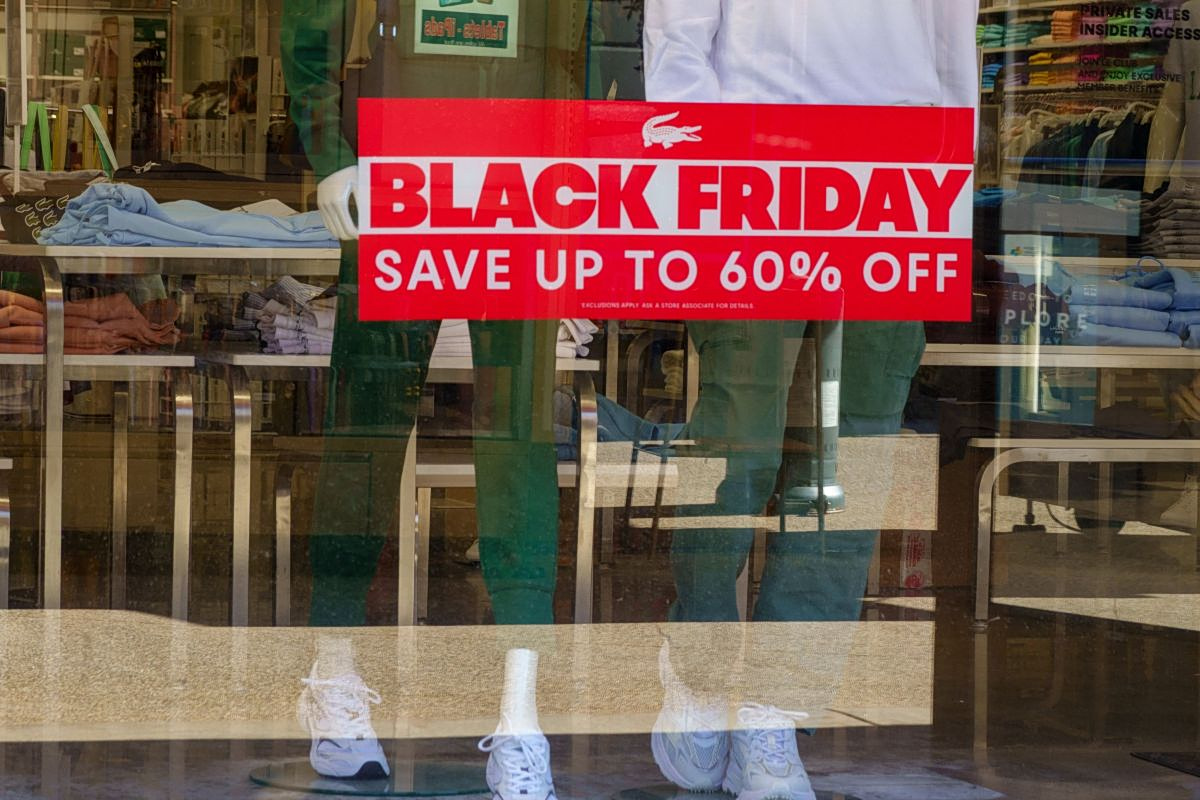
Athens’ central shopping district is already busy with Black Friday shoppers, with large crowds filling Ermou Street and other commercial areas as retailers roll out their Black Week offers.
Images from the city center show consumers browsing stores, carrying shopping bags and comparing prices before deciding what to buy. Many have already started shopping, with some believing that prices on certain products have reached their lowest levels and may not fall further.
The increased foot traffic has coincided with clear weather in the Greek capital, adding to the busy atmosphere in the city’s main shopping streets.
How to shop safely during Black Friday and Black Week
As Black Week and Black Friday promotions approach their peak, the Greek Consumer Ombudsman and the European Consumer Centre Greece have issued recommendations to help shoppers make safe purchases and identify genuine bargains.
The guidance applies to both physical stores and online retailers in Greece and across the European market. The two authorities warn that limited-time offers should not pressure consumers into making rushed decisions. Shoppers should carefully check product specifications, prices and the terms of each transaction.
They also stress the importance of verifying the identity and reliability of online retailers. Businesses must provide their company name, address, contact details and terms of sale. Consumers are advised to avoid anonymous websites and social media profiles that do not provide sufficient information to establish who is behind them.
How to identify genuine discounts
Shoppers should not rely solely on the large discount percentages advertised by retailers.
Under consumer protection rules, any announcement of a price reduction must indicate the lowest price at which the product was offered during the previous 30 days. This allows consumers to compare prices and assess whether a promotion represents a genuine saving.
Before completing an order, consumers are also advised to check:
- The final price, including any shipping or delivery charges.
- The delivery timeframe for the product.
- Payment security, avoiding suspicious links or messages from unknown senders when entering banking details.
- Transaction records, including order confirmations, payment receipts and any correspondence with the retailer.
What are the rules on returns and exchanges?
Consumers should also check retailers’ return policies, as the right to withdraw from a purchase depends on how the transaction was made.
For distance purchases, including orders placed through online stores or by telephone, consumers have the right to withdraw from the transaction within 14 calendar days of receiving the product.
The cost of returning an item may be charged to the consumer, provided the retailer has informed them of this in the terms of the transaction.
For purchases made in physical stores, however, the possibility of returning or exchanging a product depends on the individual retailer’s policy.