The vast majority of people infected with West Nile virus do not develop symptoms or may have an infection without realizing it, according to Gkikas Magiorkinis, professor of Hygiene and Epidemiology at the National and Kapodistrian University of Athens.
However, in a small percentage of cases, the virus can affect the central nervous system and cause more serious illness.
When the infection can become serious
Magiorkinis said central nervous system involvement occurs in approximately one in every 150 people who become infected.
In severe cases, immediate hospitalization may be necessary, particularly when symptoms such as high fever, severe headache, lethargy, sensitivity to light, seizures or paralysis occur.
These symptoms can indicate a more serious form of the infection and should not be ignored.
What to know about mosquito bites
The period between being bitten by an infected mosquito and developing symptoms can last up to two weeks.
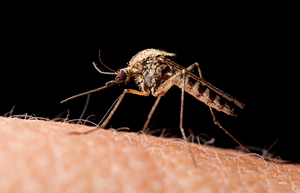
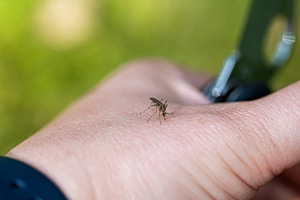
There is no distinctive mark on the skin that can indicate whether a mosquito was infected with West Nile virus. The reaction to a mosquito bite is primarily caused by the insect’s saliva.
There is also no specific treatment for West Nile virus. Treatment is supportive and is adapted to each patient’s condition and the severity of their symptoms.
Why location matters
Magiorkinis also emphasized the importance of the geographic distribution of cases, noting that mosquitoes do not travel long distances.
As a result, areas where increased virus activity has been recorded require greater caution and stronger measures to protect against mosquito bites.