 Μake us preferred on Google
 West Nile virus cases are rising significantly in Greece and across Europe, with health experts warning of the seriousness of the situation. Attica accounts for 70% of cases reported in Greece, according to Theodora Psaltopoulou, a professor of epidemiology at the National and Kapodistrian University of Athens.
The disease, which can become severe and has a reported fatality risk of 10% in serious cases, has been detected in areas including Spata, Markopoulo, Pallini, Agia Paraskevi, Vari, Voula and Vouliagmeni.
Nine deaths recorded in Greece so far
Psaltopoulou said Greece is seeing an increased concentration of mosquitoes this year, potentially contributing to more severe cases. Nine deaths have been recorded so far, matching the total number of deaths reported for the whole of last year.
The virus is expected to continue circulating through mosquitoes until the end of October.
Not everyone bitten by an infected mosquito becomes ill. According to Psaltopoulou, eight out of 10 people who become infected do not realize they have contracted the virus. Fewer than two in 10 develop mild symptoms, while only about one in 100 to 150 infected people may develop the severe form of the disease, West Nile meningoencephalitis.
Severe cases can involve intense headaches, high fever and symptoms that may persist even after recovery.
Psaltopoulou urged anyone experiencing neurological symptoms—including confusion, lethargy, weakness in the legs or seizures—to seek medical attention.
There are currently no specific antiviral drugs or vaccines for West Nile virus, and treatment is symptomatic. Many patients require intensive care, and about 10% of those with severe disease may die.
429 cases reported across nine European countries
The European Centre for Disease Prevention and Control (ECDC) says West Nile virus is spreading rapidly in Europe, with Italy and Greece recording significant increases in cases.
According to a recent ECDC epidemiological report, cases had been recorded by Aug. 13 in 77 areas across nine European countries:
- Italy: 40 areas
- Greece: 13
- Romania: 12
- France: 4
- North Macedonia: 3
- Spain: 2
- Germany: 1
- Kosovo: 1
- Serbia: 1
The virus was detected for the first time this year in 19 of those areas during the previous week, including four in Greece: Imathia, Thessaloniki, Laconia and Piraeus.
A total of 429 locally acquired cases had been reported across the nine countries as of Aug. 13, 2026.
Italy recorded 224 cases, Greece 105, Spain 42, North Macedonia 30, Romania 18, France six, Serbia two, Germany one and Kosovo one. The National Public Health Organization of Greece subsequently reported 110 cases as of Aug. 14.
According to the ECDC, nearly half of Greece’s cases had been reported in Eastern Attica.
As of Aug. 5, 12 patients had died from the virus across the affected countries: six in Greece, five in Italy and one in Romania. Greece’s death toll has since risen to at least nine, according to the Greek health authority.
Most patients were men over the age of 65. Across Europe, 72% of cases required hospitalization, while the rate in Greece reached 95%. Neurological symptoms were reported in 58% of cases.
How to protect against mosquitoes
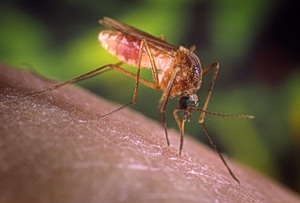
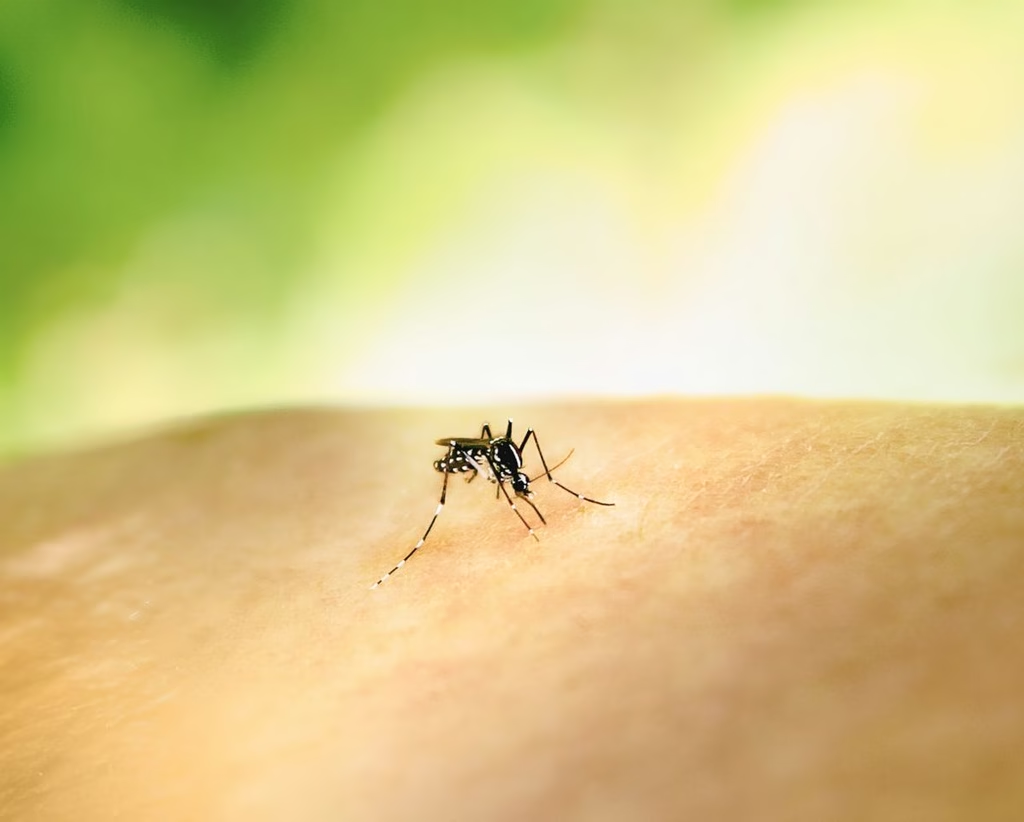
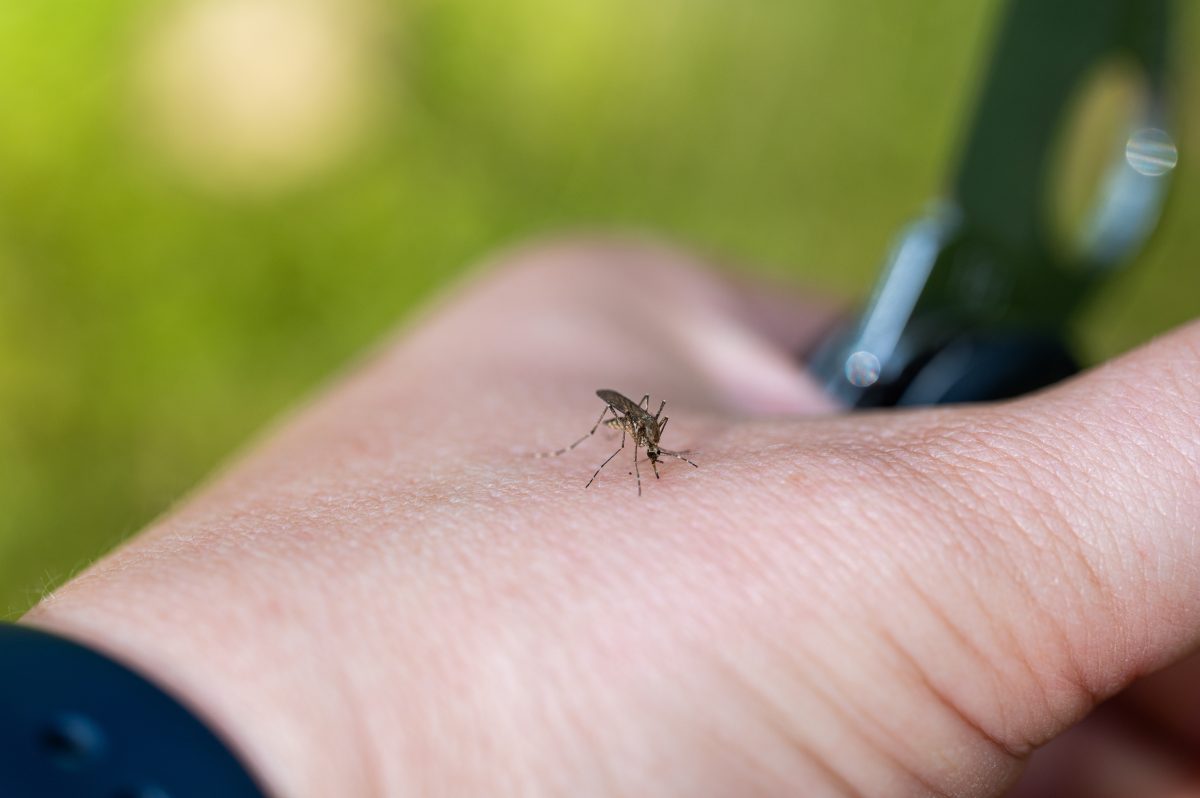
West Nile virus is transmitted primarily through the bites of infected common mosquitoes. The mosquitoes become infected after feeding on certain bird species, mainly wild birds, rather than through contact with infected people.
The virus can be particularly dangerous for older adults and people with chronic health conditions or weakened immune systems.
Greek health authorities emphasize the importance of preventing mosquito bites, particularly among vulnerable groups. Recommended measures include:
- Using approved insect repellents on exposed skin and over clothing, following product instructions.
- Wearing clothing that covers as much of the body as possible, especially during periods of increased mosquito activity.
- Using mosquito nets, particularly for infants and people at high risk.
- Installing and maintaining screens on doors and windows.
- Using fans or air conditioning when possible.
- Removing standing water from flowerpots, saucers, buckets, containers, gutters and other areas around the home.
- Regularly replacing water in animal drinking containers and other water-holding vessels.