 Μake us preferred on Google
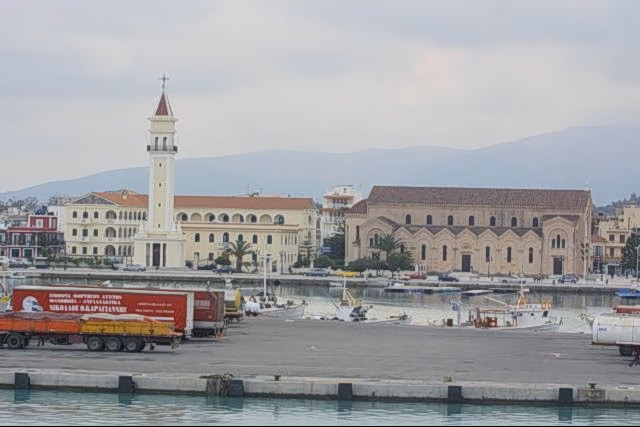
 A rare relic associated with Greece’s War of Independence (1821-1829) will be displayed in the Ionian Island of Zakynthos this week as part of commemorations marking the Battle of Lepanto, the landmark 16th-century naval engagement fought nearby. The silver lekythos – a characteristic Grecian ceramic vessel – containing the embalmed heart of Admiral Andreas Miaoulis will be on the island until Sunday, following an initiative by municipal authorities.
The relic, normally held by the Historical Archives Museum of Hydra, the eponymous rock isle in the Saronic Gulf, will be among the historical exhibits accompanying this year’s commemorative events.
Its display is intended to give the events a tangible connection with Greece’s modern history and the legacy of the Greek Revolution of 1821, while highlighting the longstanding maritime links between the Ionian and Aegean islands and their place in the broader history of Greece.
“We wanted history to come closer to Zakynthos and its people,” Zakynthos Mayor Giorgos Stasinopoulos said, describing Miaoulis’ heart as a unique symbol of remembrance and honor.
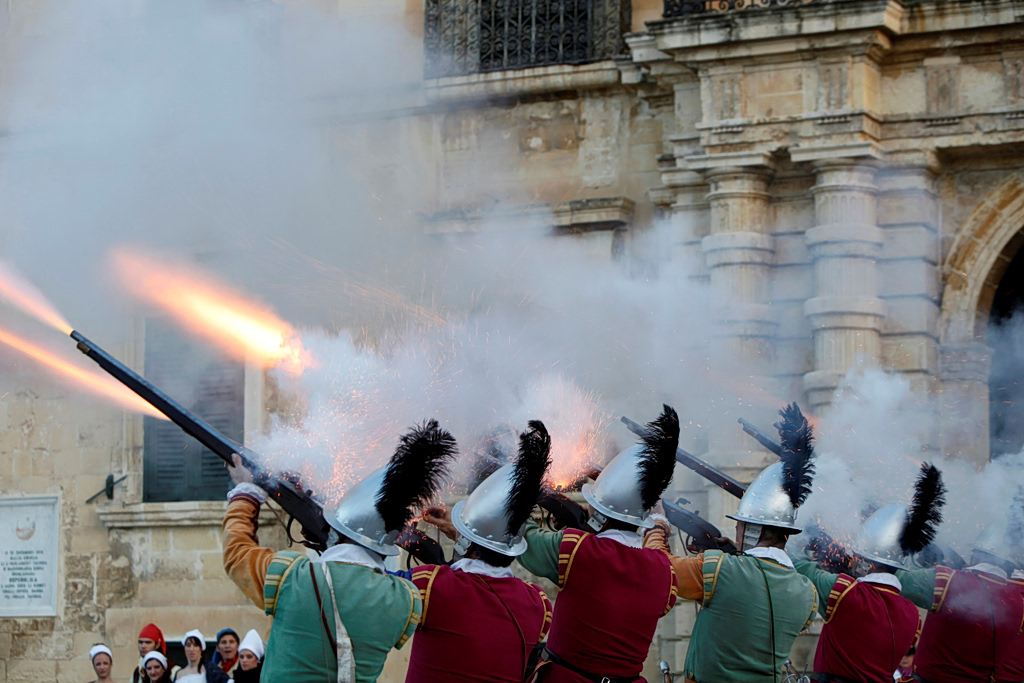
Re-enactors fire their muskets during a historical re-enactment of the celebrations following the Christian victory over the Ottomans at the Battle of Lepanto in 1571 in St George’s Square outside the Presidential Palace in Valletta, December 8, 2009. REUTERS/Darrin Zammit Lupi
The Battle of Lepanto
The historical event being commemorated took place roughly two centuries before Miaoulis’ birth.
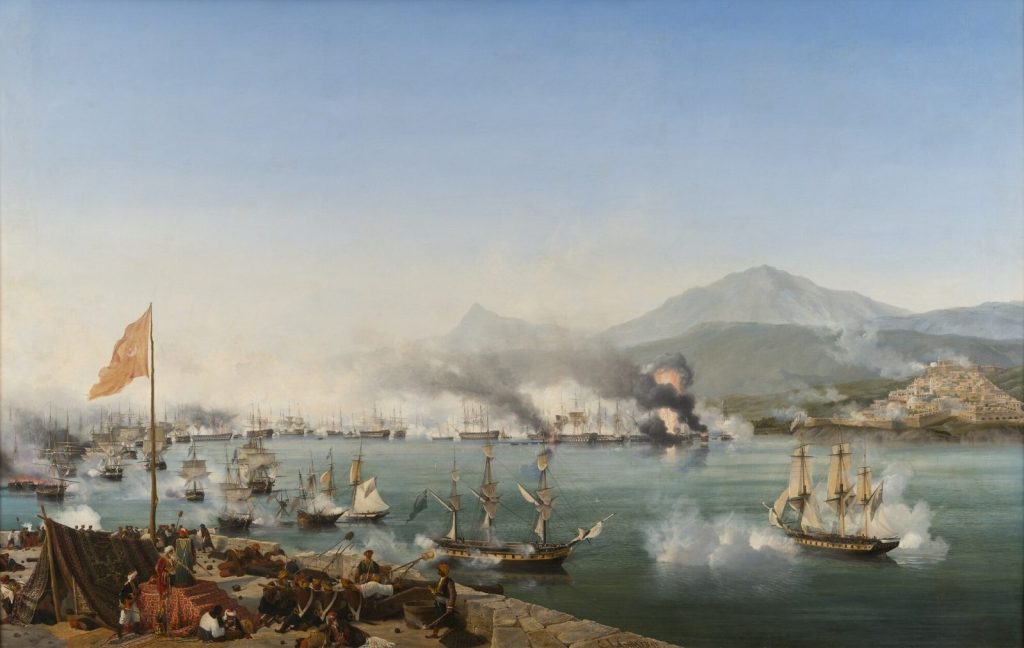
The Battle of Lepanto was fought on Oct. 7, 1571, in the waters of the Gulf of Patras, near the Echinades Islands off the mainland. The opposing forces were the Ottoman fleet and the fleet of the Holy League, a coalition formed principally by the Papal States, Spain and Venice, with contributions from other Catholic states and territories.
The Holy League fleet was commanded by Don Juan of Austria, while the Ottoman fleet was commanded by Müezzinzade Ali Pasha. The battle was one of the largest naval engagements of the 16th century and was fought primarily by oared galleys in close combat.
The Holy League won a decisive victory, capturing or destroying a large number of Ottoman vessels and killing or capturing thousands of sailors and soldiers in the service of the Ottoman Turks. The battle also resulted in the liberation of thousands of Christian galley slaves who had been forced to row aboard the Ottoman warships.
Lepanto became an important symbol in European Christian historical memory, often portrayed as a decisive confrontation between Christian Europe and the predominately Muslim Ottoman Empire.
Among those who celebrated the victory was Spanish writer Miguel de Cervantes, who fought at Lepanto as a wound man and was wounded in the battle.
For the Greek nation, the battle has particular geographical and historical resonance because it was fought in waters off the western coast of what would become the modern Greek state more than two centuries later, and at a time when much of the Greek-speaking world was under Ottoman yoke.
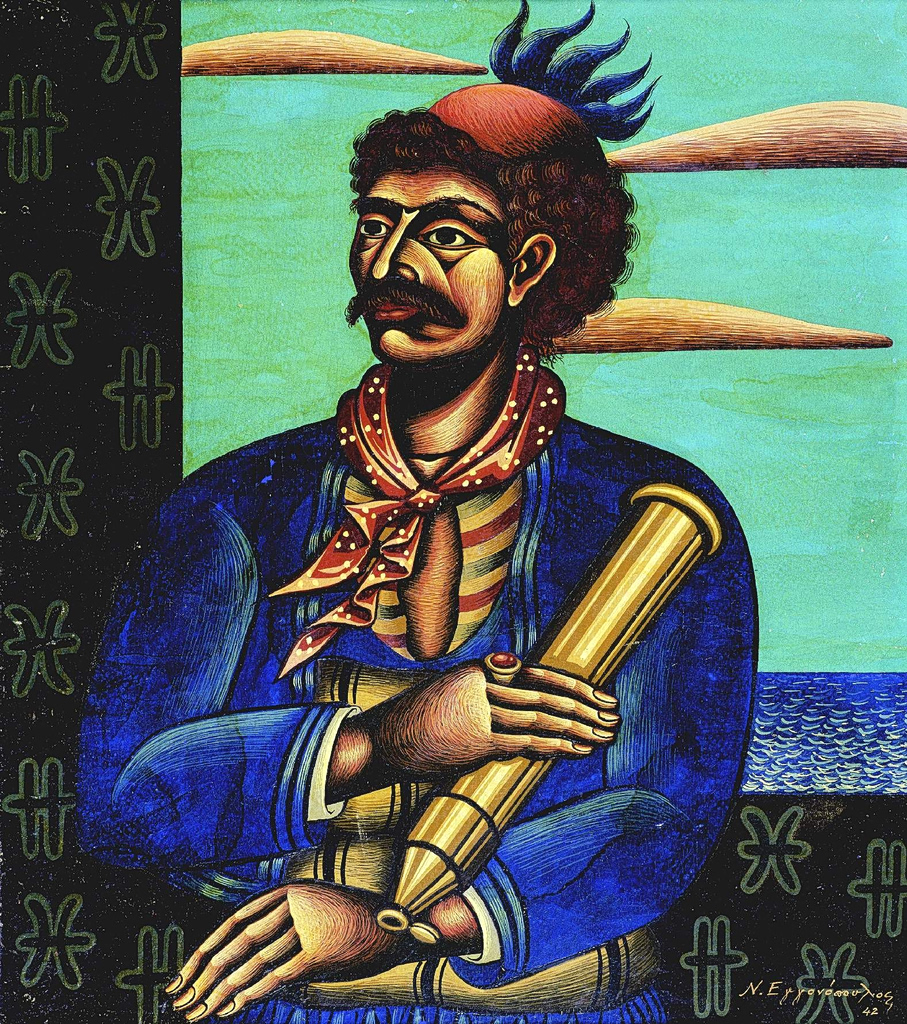
The Admiral Miaoulis, a 1942 painting by Greek surrealist artist Nikos Eggonopoulos depicting Admiral Andreas Miaoulis, one of the leading naval commanders of the Greek War of Independence.
Miaoulis and the Greek Revolution
Miaoulis, born Andreas Vokos on Hydra in 1769, was one of the leading naval commanders of the Greek War of Independence, commanding naval forces in numerous engagements against Ottoman forces.
He later served as commander of the Greek fleet during the early years of the independent Greek state and died in 1835. His embalmed heart is preserved at the Historical Archives–Museum of Hydra as a relic of the revolutionary admiral and Hydra’s central role in modern Greece’s maritime history.