 Μake us preferred on Google
 Years ago, when my daughter was still in kindergarten, she asked to take an empty yogurt container to school. Somewhere deep inside me, a little bell rang—the kind that calls up a childhood memory.
The next day, the container came home with the familiar contents: wet cotton and a few scattered lentils.
“Some things never change,” I thought.
I was right. When those lentils pushed out their tiny sprouts and then began sending up stems, my daughter’s eyes lit up.
So did mine.
There is something magical about planting something with your own hands, caring for it with consistency and patience, and eventually watching it bloom. It’s just that, in our increasingly urban lives, we have become so disconnected from the process of producing food that we have forgotten that magic.
Along with it, we have lost the simple joy that a little patch of green can bring.
For many of us—and especially for children who are born and raised in front of screens—food grows at the supermarket or in the refrigerated cases of the local produce store. At least until that day in kindergarten when someone shows them otherwise.
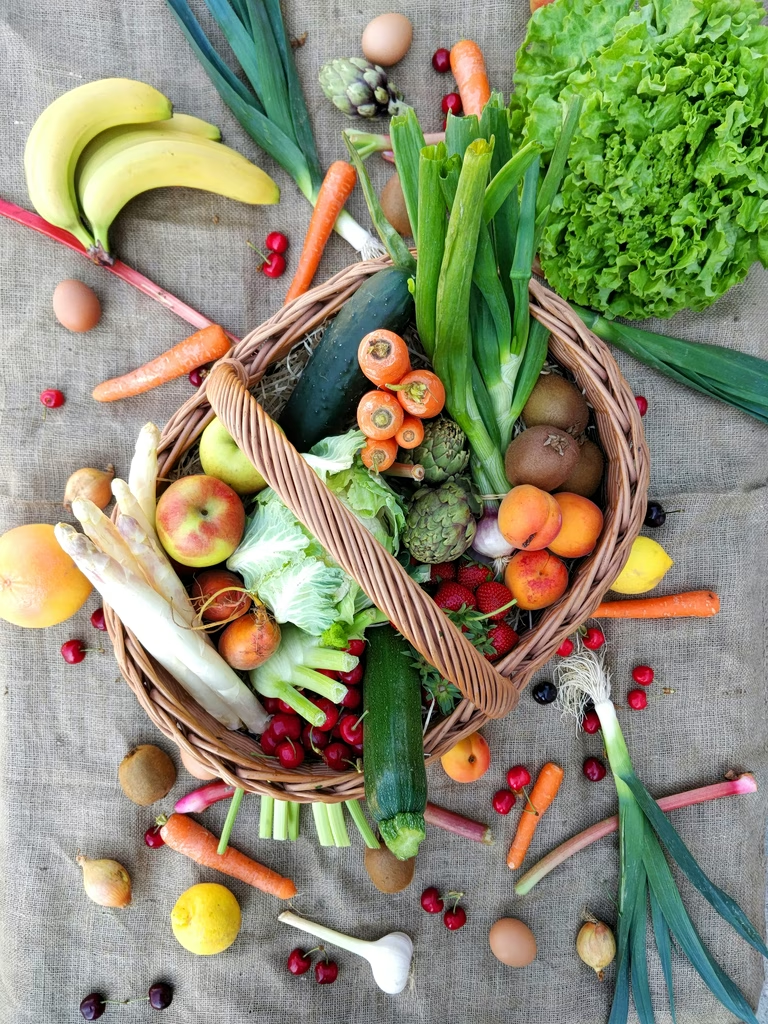
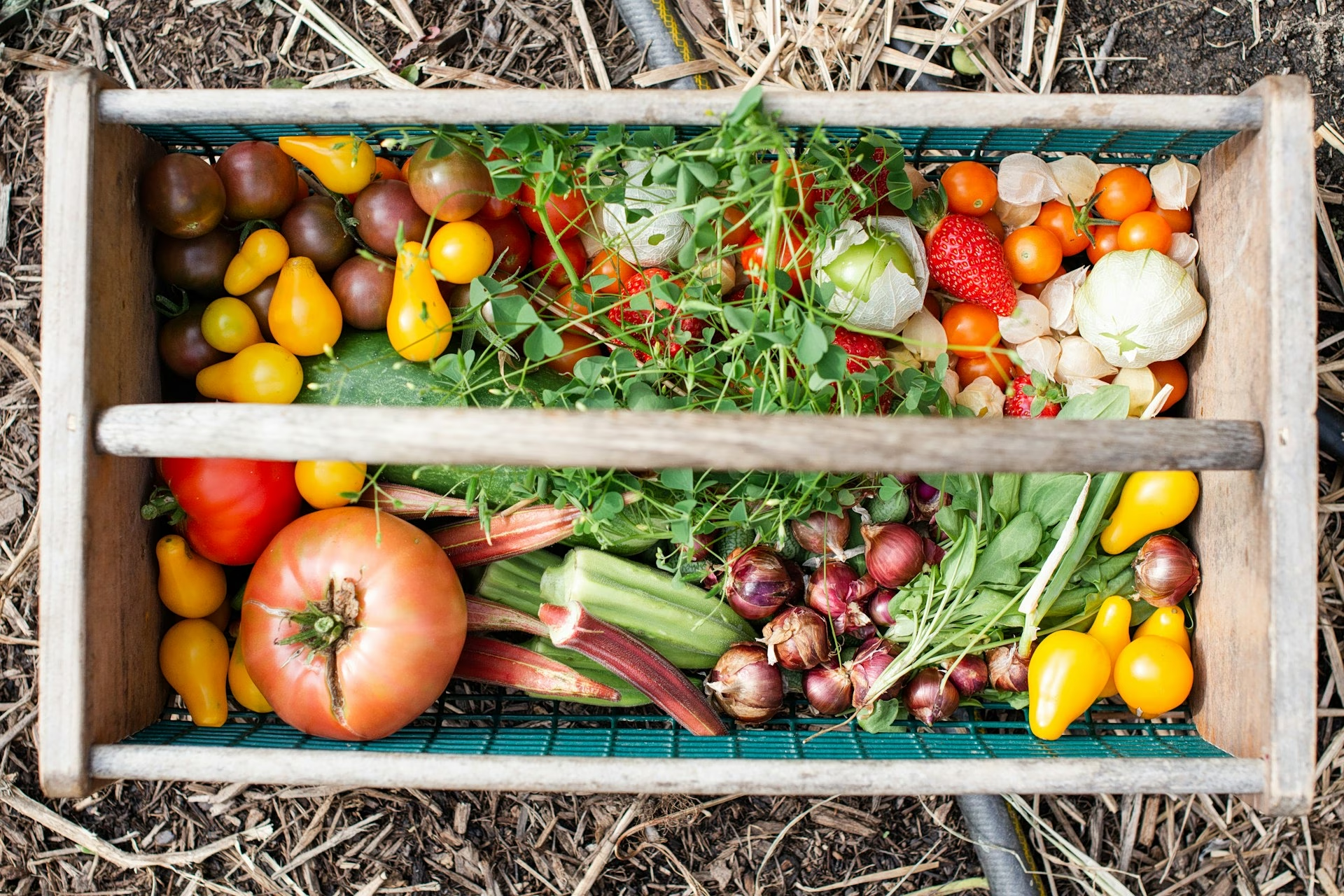
Our children have grown accustomed to seeing fresh fruits and vegetables only in the refrigerated cases of produce stores and supermarkets. Our connection with nature and the process of growing food has diminished dramatically.
But even that is no longer enough.
Especially now that concepts such as the climate crisis and sustainability have definitively moved beyond the realm of theory; now that processed foods have emerged as one of the biggest red flags for our health; and now that we are all gradually being pushed back toward a food model based on production and preservation methods that prioritize natural processes and reject chemical treatments and additives.
So, it is time to return to the fields, the farms and the facilities that respect the land—and, in doing so, respect the consumers they serve.
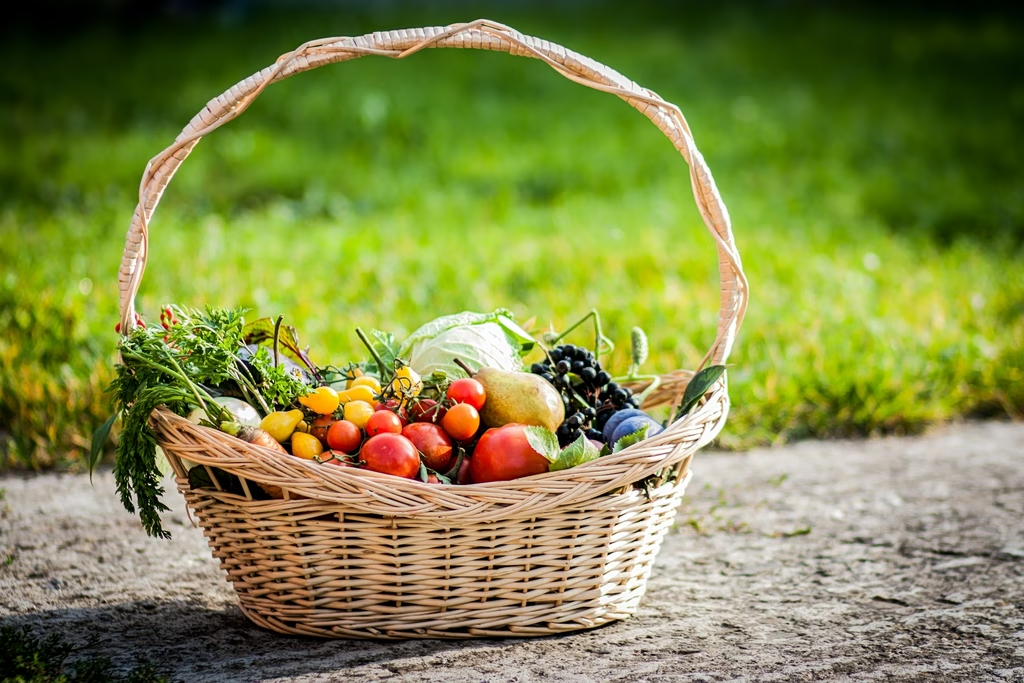
It is time to return to a more natural way of eating. And that means turning our attention back toward the fields.
Yes, such places still exist.
There are farmers, small family businesses and cooperatives scattered across Greece that are doing remarkable work and producing products of exceptional quality. There are farms, cheesemakers, dairy shops, wineries and growers returning to abandoned fields, rescuing heirloom crops, reviving forgotten varieties and, in some cases, bringing entire villages back to life.
Every now and then, some of their stories make it into the public eye. We read about people who left behind careers and city life to work the land.
But most of them remain unknown to us—not only the people themselves, but, naturally, their products too.
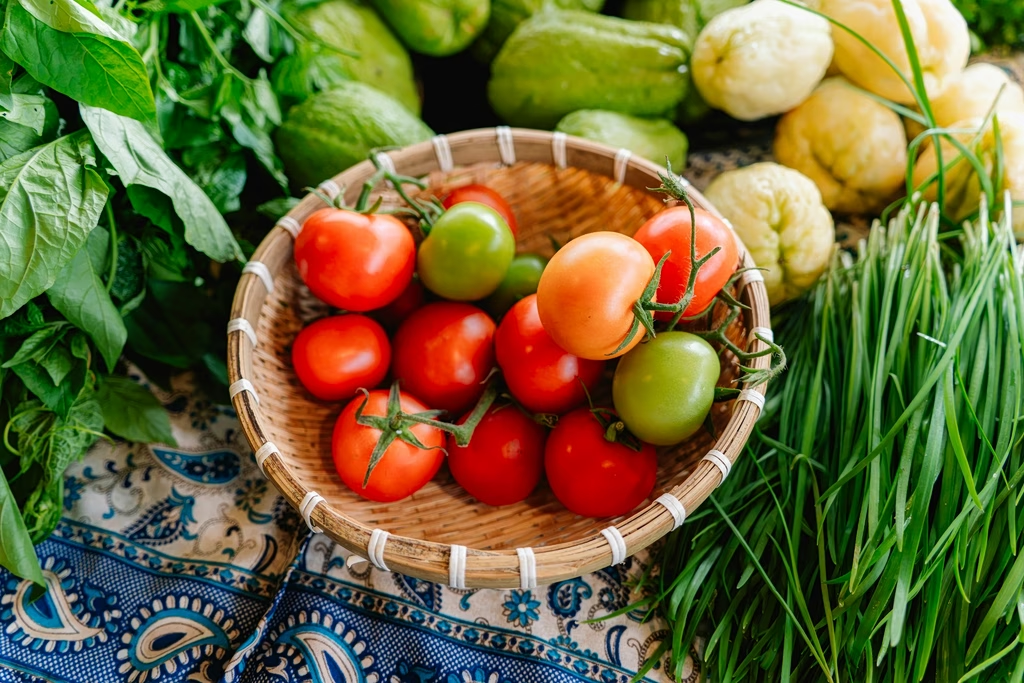
Fortunately, there are still producers who love what they do, dedicating themselves to organic farming and the preservation of old seeds.
That is precisely why Open Farm was created.
The network brings together producers and small and medium-sized businesses, showcasing authentic agritourism by bringing us—and our children—into direct contact with the land, the people who work it and the effort that goes into what eventually reaches our tables.
Open Farm also has a physical presence at the Central Market of Athens in Renti, the area that houses the city’s central wholesale produce market. There, it organizes events, seminars, workshops and tastings.
Its work in schools is particularly active. Through the Farm2School program, children create and cultivate their own agroecological gardens, learning firsthand about growing food and caring for the land.
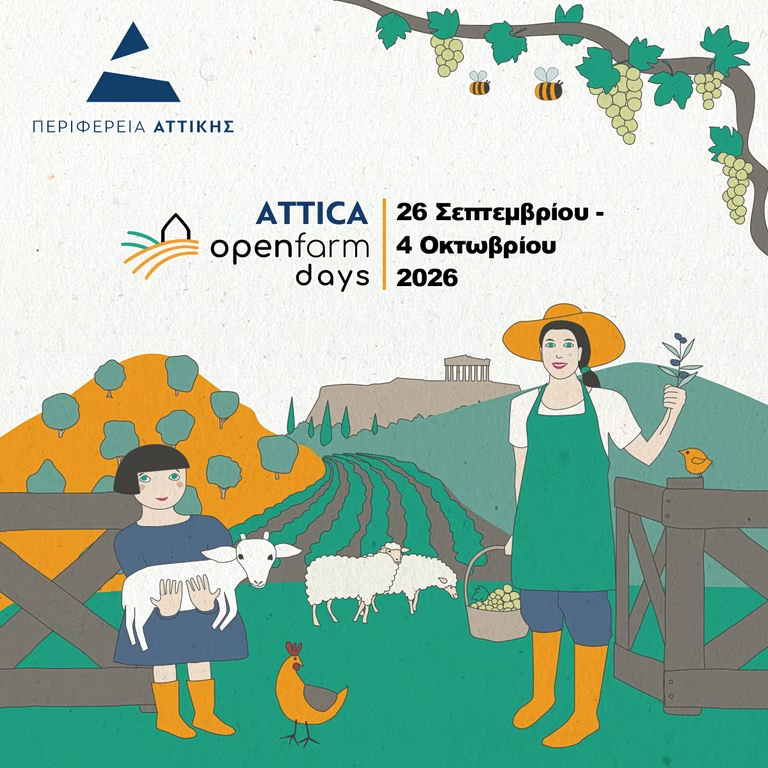
And then there is the major Attica Open Farm Days project, which began last Saturday and runs through this coming Sunday, October 4.
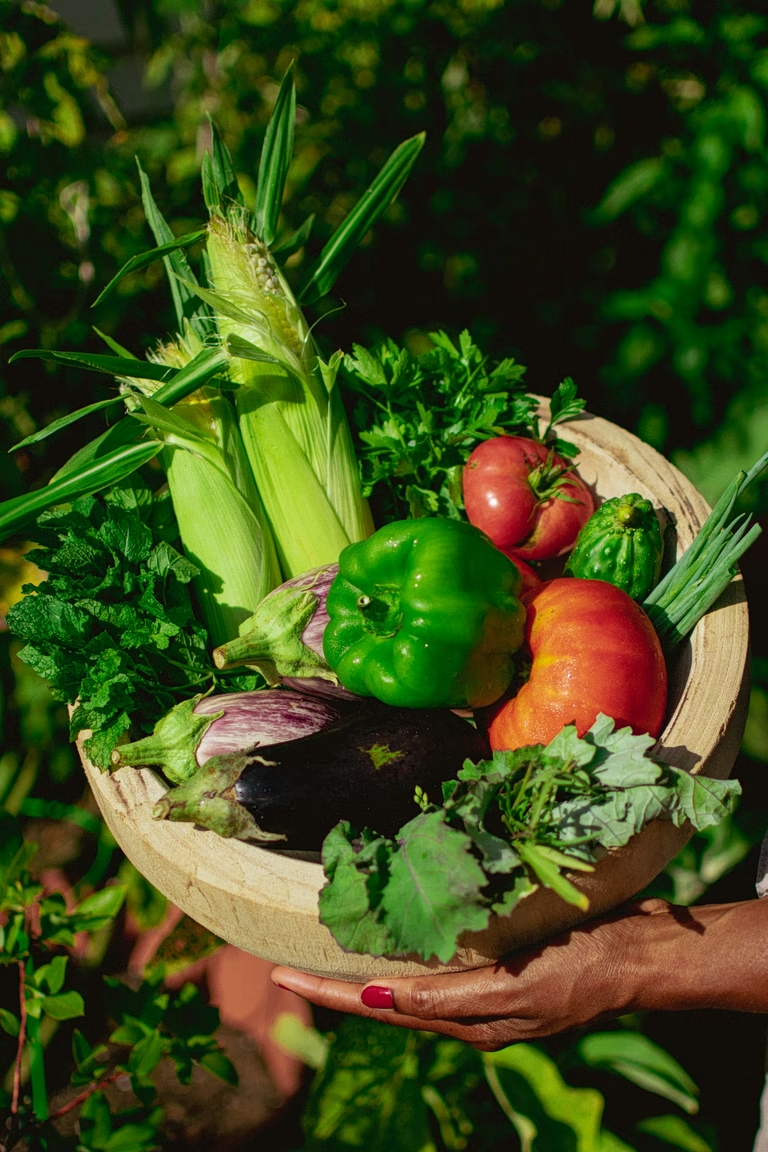
Attica Open Farm Days invites us to meet Attica’s producers in person and discover their products.
And while the first weekend was a little rainy—not exactly ideal weather for visiting fields and farms—we still have another seven days to plan visits to the production facilities that interest us, from small operations to larger, noteworthy farms and businesses throughout Attica.
They’re opening their gates
This year, for the first time, the great celebration of the Attica countryside is being organized in collaboration with the Region of Attica and the Open Farm network.
The invitation is simple: Put on your boots, head out into the fields and discover exactly how the food on our plates gets there.
Among the farms and production facilities opening their gates from today, Monday, through Sunday are Kentro Gis in Ilion, Mali Veni Estate in Markopoulo Mesogaias, Ef Zin Organic Farm in Afidnes, and the Kostas Lazaridis Wine Museum in Kapandriti, along with many others.
Each has prepared tours, tastings and special activities and agritourism experiences—distinctive, engaging encounters that offer a glimpse into the work and dedication required to produce a pure, high-quality product.
A product that honors the producer, but also us, the consumers.
And above all, a product that respects nature and the land, helping ensure that both can continue to thrive.
See the full Attica Open Farm Days program here.