 Μake us preferred on Google
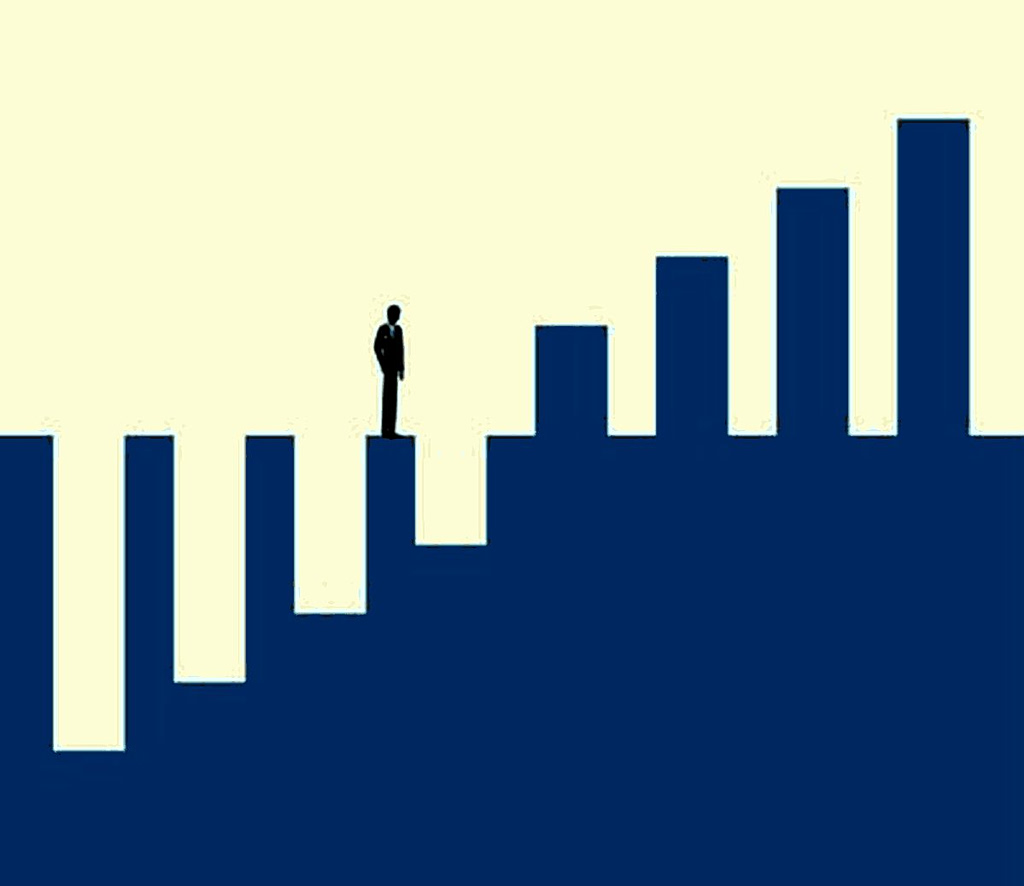
 Things get worse before they get better. In between, there is usually a catastrophe. A war, sometime in the middle of the last century, that left its mark on the entire planet. An economic crisis at the beginning of this one that came close to bringing an entire country — our own — to its knees.
Fine. We have left world wars and national bankruptcies behind us. But where are we today? Are we at the point on the curve where it begins to descend, or the point where it starts climbing again? The data do not reflect much optimism. Analysts are recording a widespread sense of insecurity that has reached the point of romanticizing the past — “things were better back then.” Perhaps they were not, exactly, for the people who lived with the Cold War arms race hanging over their heads. But it was enough for them to watch an astronaut take one small step on the Moon and, on their black-and-white televisions, feel the enormous leap it represented for humanity. There was something to fear, but also something to hope for. A nuclear catastrophe on one side, but a peaceful conquest on the other, whether that meant the Moon or personal prosperity and the sense that each successive generation would live better than the one before it.
That was how the world moved forward, and so did the small part of the world in which we live today. There was a widespread sense of progress and a tangible reality of social mobility. Not that things always followed the rules around here. But what do you say to the person who built an illegal house simply to put a roof over his head, or who did not issue receipts so he could afford to educate his children? How do you condemn the civil servant who worked like a drone but at the same time saved penny by penny, like an ant, to pay for his children’s weddings?
That world — a middle-class world built according to the clichés of cheerful Americans, methodical Germans, resourceful Greeks and stylish Italians — no longer exists. It no longer exists in countries such as the United States and Germany, primarily because a significant share of productive wealth has shifted elsewhere and the once-“first world” is no longer quite so first. In our own country, it is more because the pursuit of wealth has become so unrestrained that it is now out in the open. Wealth is no longer hidden; it is advertised. You get rich selling nanofiber vests, quantum biofeedback devices, herbal beeswax creams, agricultural Ferraris, no-bid government contracts, illegal villas in Mykonos, concrete structures on Milos’ Sarakiniko beach and through extraordinary channels of undeclared money. Public officials chase money like private businessmen, while private interests crowd around the state.
The result, almost everywhere in the West, can be seen where democracies triumph but also suffer the most. It can be seen at the ballot box. America’s excluded and anxious turned to Donald Trump, a president who turns every desire of his into an act of seizure. Germans are divided in their states between an anti-immigration far right and an anti-Semitic far left, while the French are preparing to wake up one Monday morning with Le Pen. They all yearn for what they remember, or think they remember, trying to return to the glorious past of a world that no longer exists — even as this world, caught between dismissed climate crises and blind races to develop artificial intelligence, has already begun to fade.
And what about us? We are waiting for the “harsh winter” and an election measured by the polls. The prime minister and his government are offering a protective umbrella that convinces most people, but not enough to secure a third term on the strength of that protective narrative. The charisma of 2019 is gone. Things may have gotten better before they got worse. But they only got better for a little while.