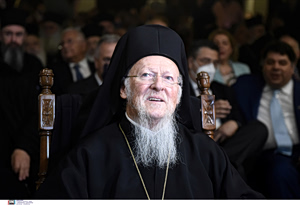
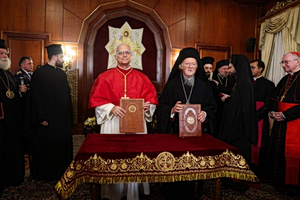
The presence of younger Archons alters the internal dynamics of the Order in a subtle but meaningful way
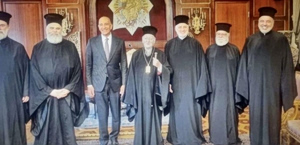
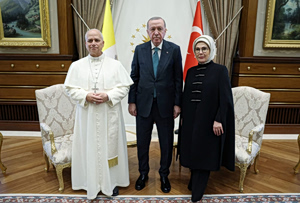
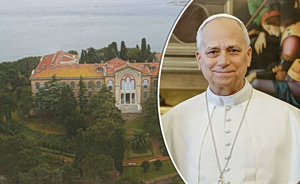
Discussions focused on ongoing initiatives aimed at reopening the Halki seminary, with a tentative horizon set for Sept. 2026.
The historic commemoration of the 1,700th anniversary of the First Ecumenical Council harkened back to a time of Christian unity, but the burden of the past weighs heavily in efforts to restore it.
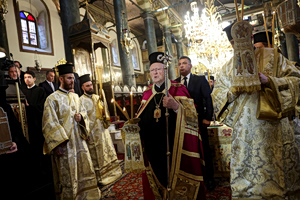
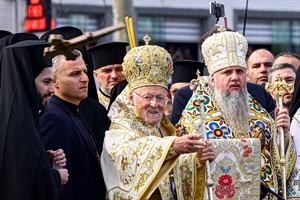
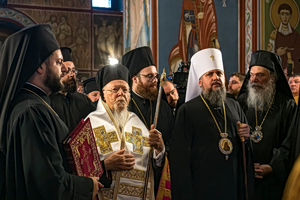
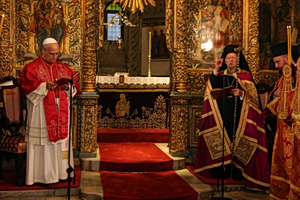
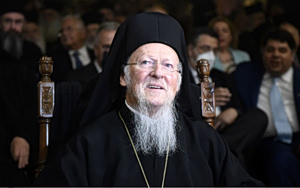
The patriarchal and synodal Divine Liturgy is led by Ecumenical Patriarch Bartholomew, with Patriarch Theodore of Alexandria concelebrating, and in the presence of Pope Leo XIV.
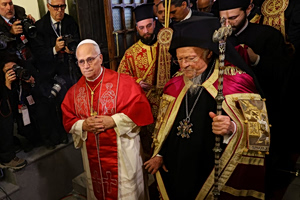
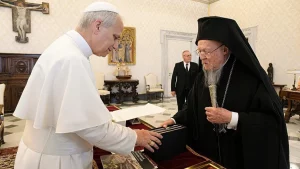
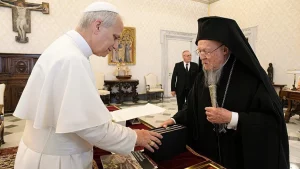
Patriarch Bartholomew welcomed Pope Leo, drawing attention to the close relationship he had shared with Leo’s predecessor, Francis.
This is Leo’s first papal pilgrimage abroad, and that it is to visit Bartholomew carries the weighty symbolism of his determination to push forward the dialogue between the two Churches
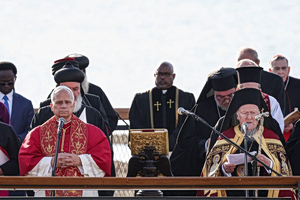
Pope Leo XIV reminded attendees that the Council of Nicaea took place in 325 AD, noting that it continues to call all Christians.
The Pope's trip coincides with what he has called a Jubilee Year, marking 1,700 years since the First Ecumenical Council
The primates of major Christian Churches will gather in what was ancient Nicaea (modern-day Iznik), in a symbolic gesture recalling one of the most defining moments in early Christian history: the era of an undivided Christianity in the 4th Century
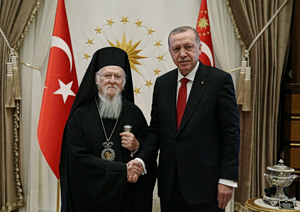
Momentum for reopening the institution appeared to strengthen after Turkish President Recep Tayyip Erdogan met with U.S. President Donald Trump at the White House in Sept.
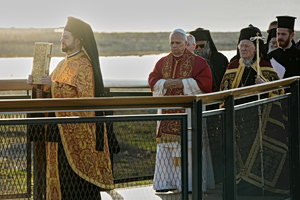
On 28 November, Leo and Ecumenical Patriarch Bartholomew will join hands at the site of the Ecumenical Council, Iznik of modern Turkey
The pontiff will join the Orthodox leader for a joint pilgrimage to Nicaea during his first apostolic journey to Türkiye and Lebanon this November
Ecumenical Patriarch Bartholomew was also warmly welcomed by the United Nations Secretary-General António Guterres at UN headquarters in New York last week.
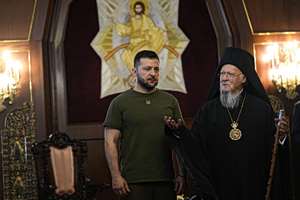
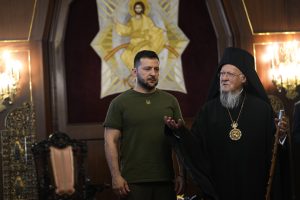
On the sidelines of the UN General Assembly, Patriarch Bartholomew voiced solidarity with Ukraine, condemned Russia’s war, and expressed hope for a swift “victorious peace,” while Zelensky invited him to visit Kyiv
The Patriarch reserved some of his sharpest language for nationalism, which he described as “perhaps the most destructive force in human history”
Earlier on Thursday, Patriarch Bartholomew had celebrated a doxology at the Saint Nicholas Greek Orthodox Church and National Shrine in Manhattan.
Mr. Johnson, who had welcomed the Patriarch earlier at the Capitol, recalled his longstanding ties with the Greek diaspora in his home state of Louisiana
Members of Congress from both parties have long expressed respect for the Patriarch, citing his consistent advocacy for peace, human rights and the environment
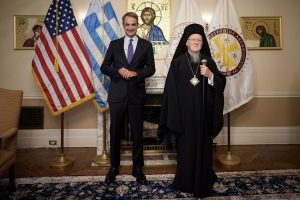
During his U.S. visit, the Patriarch calls for interfaith dialogue, mutual respect, and global commitment to human dignity at a State Department dinner in Washington, D.C.
Bartholomew’s visit, and the congressional tributes, come at a moment when international norms around religious freedom, climate action and geopolitical sovereignty are under strain