tovima.com - Breaking News, Analysis and Opinion from To Vima’s International Edition

Latest News
-
Crete Braces for Another Round of Heavy Rain Over Weekend
-
Mazonakis Case: Jailed Doctor Disputes Emergency Response Account
-
17 Arrested in Cryptocurrency Fraud Case in N. Greece
-
Top Minister Papastavrou: No Issue of US Pressure, Threats on Greece
-
Congo Ebola Death Toll Surpasses 4,000
-
French Tourists Rescued After Vehicles Stranded in Rugged Stretch of Evia
-
What Would You Tell Your 20-Year-Old Self? Greek Seniors Answer
-
Democrats Call for Probe Into Kimberly Guilfoyle’s Conduct
-
Greece Repays €2.5 Billion to European Financial Stability Fund
-
Greece Plans €2 Billion Waste Management Investments
-
6 Students Evacuated from Mt. Olympus After Falling Ill Leave Hospital
-
Coffee Defies the Squeeze as Greek Consumers Rewrite Their Habits
-
47% of Greek Businesses Now Use AI Tools
-
German Tourist Killed by Lightning on Rhodes
-
Greece Approves Plan to Expand Mount Olympus National Park
-
The Global Diplomacy of the F-35
-
Klopp Earns First Germany Win, Braces for Fiery Toumba Test
-
Microbiologist Lawmaker Faces Complaint Over Botox Treatments
-
Gov’t to Subsidize Remote Jobs in Outlying Regions, Isles
-
Greece Unemployment Falls but Job Vacancies Rise
-
Near-Catastrophe on Flight 1073 Exposes Gaping Hole in Dubai’s Aviation Security
-
Mykonos Planning Official Says He Fears Threats
-
Victims’ Brother Speaks Out After Athens Blast Kills Four Americans
-
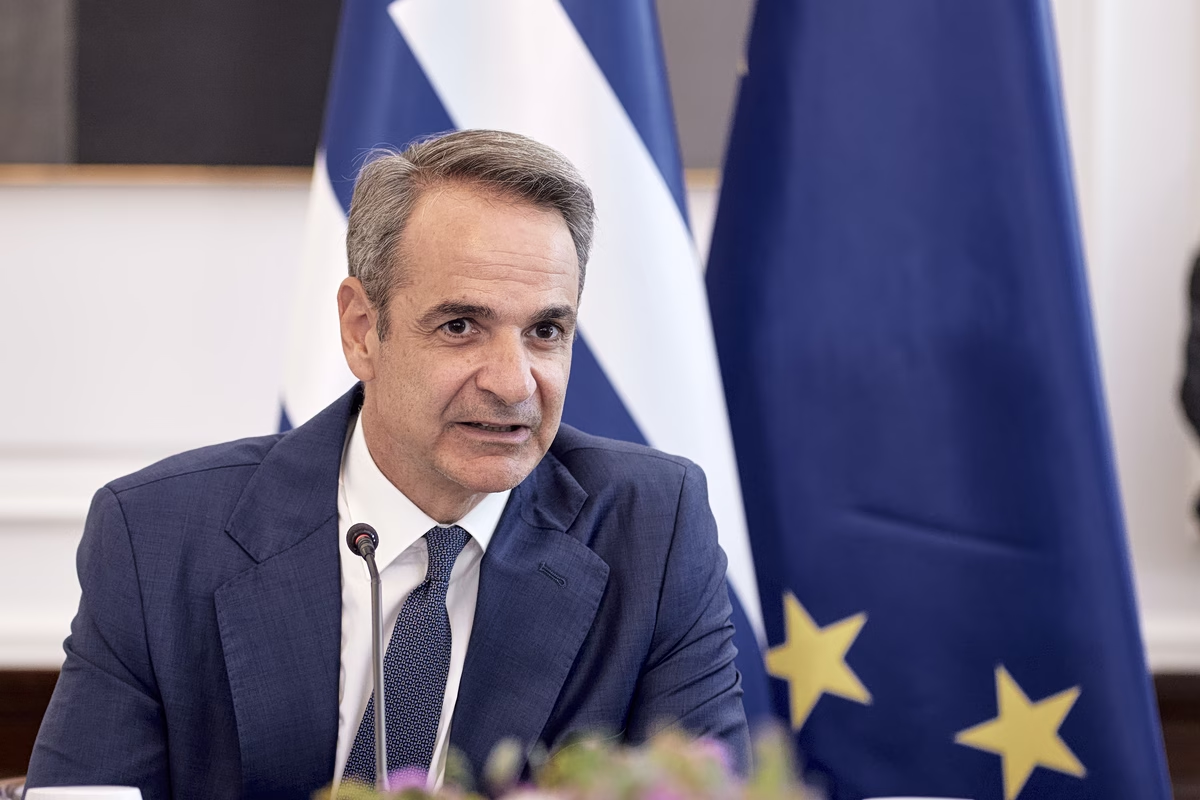
Mitsotakis Tours Northern Greece, Courts Disaffected Voters
-
Ocean Heat Hit New Record in 2025, Copernicus Says










Member of


Certification Number
Μ.Η.Τ.252163
ALTER EGO MEDIA brand © 2026 TOVIMA.COM • All rights reserved.