 Μake us preferred on Google
 It is an art form. And like any art form, it produces masterpieces — as well as plenty of “potatoes.”
We are talking, of course, about the frying pan.
This magnificent piece of cookware was invented at some point in human history to help us cook quickly, crisp things up and make them delicious — and, inevitably, rather indulgent. That last point, however, is not what this article is about.
It is August. The height of summer is no time to pile on the guilt. We are here for pleasure.
And the pleasure of biting into a crispy calamari, a freshly fried potato or a forkful of crunchy zucchini sticks cannot be compared with however many diets we may have to try in September.
It is August. It is holiday season. We are entitled to every indulgence in the world.
Provided, of course, that we do it properly.
Because there is nothing more disappointing than a badly fried red mullet. You see it looking rosy and golden-red, carefully open it in half, remove the bone and head, and just as you are about to take a bite, you realise that its skin is soft, damp and nowhere near as crisp as you had imagined.
Even worse is a limp piece of fried cod or an eggplant that gives you grease instead of crunch.
Betrayal.
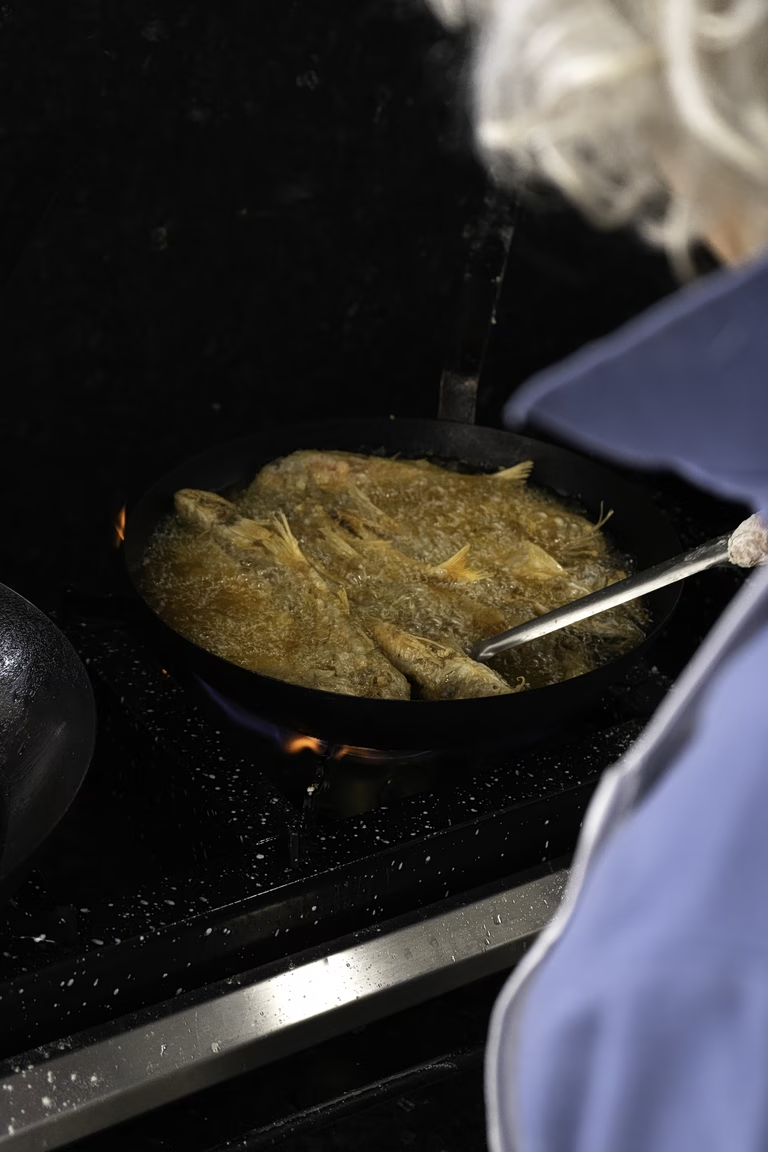
Frying is an art. And if you have not mastered it, the result on the plate can be deeply disappointing. Photo: Christos Kavouris
Yes, we said it: frying is an art.
The pan may cook quickly, but there is nothing simple about it. It has rules. It requires knowledge and commitment.
When you fry something, you have to be there. The difference between perfect and disastrous can be a matter of just a few seconds.
And because the demands are so high — and so few people consistently live up to them — those who do are rightly celebrated.
How many times have we recommended a taverna specifically because of its frying? How many restaurants have we mentally marked down as the places to go whenever the craving for fried fish strikes?
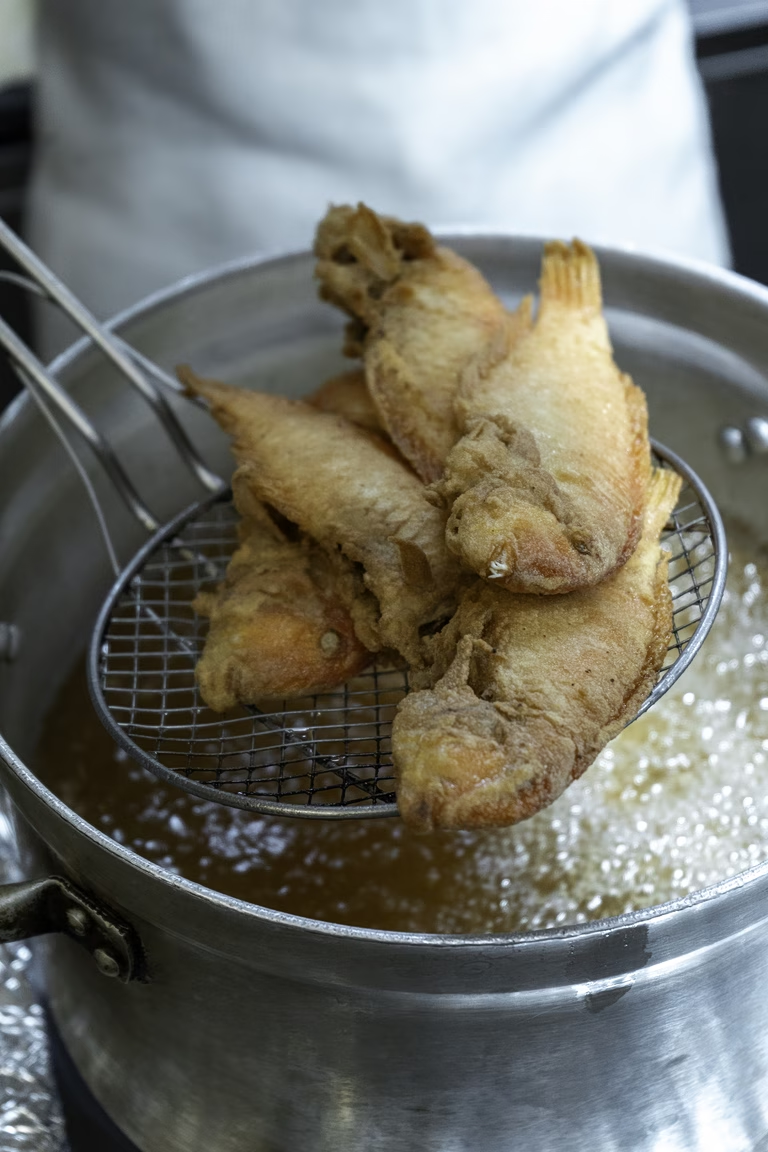
The famous frying pan at Zahos in Piraeus produces tiny, crispy miracles. Photo: Christos Kavouris
But what happens when we are at home or at our holiday house in August and decide to throw something into the frying pan?
How do we rise to the occasion, do justice to the ingredients and justify all the work that will be required to clean the kitchen afterwards?
Most importantly, how do we achieve those beautiful Greek meze dishes we dream about — juicy inside, crisp and crunchy outside?
As we said, frying has rules. Different rules for different ingredients, and rules that cannot be ignored.
Learn them. Follow them.
Only when you have mastered the perfect crust can you truly call yourself a frying artist.
First things first: the oil
One of life’s great dilemmas: olive oil or vegetable oil?
Our grandmothers never had such questions. For them, olive oil was sacred. They used it everywhere, always, and generously.
And it is true: potatoes fried in olive oil have a completely different flavor. Fuller, richer, unmistakably Greek.
There is, however, a strong counterargument — and one backed by science.
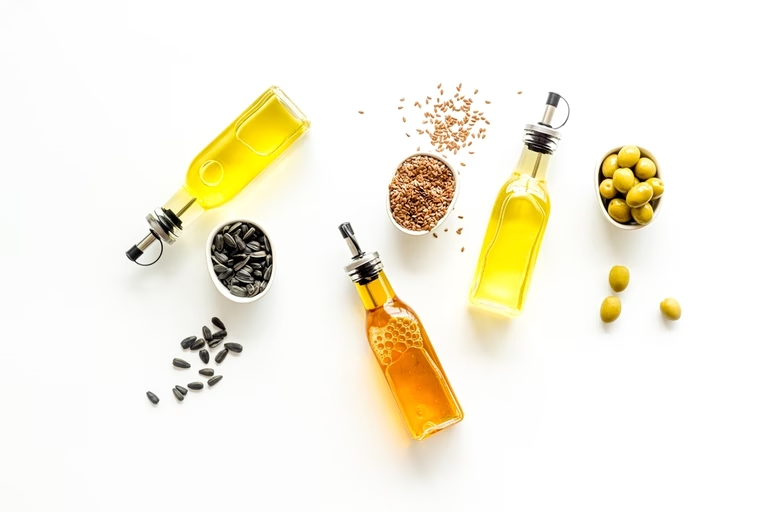
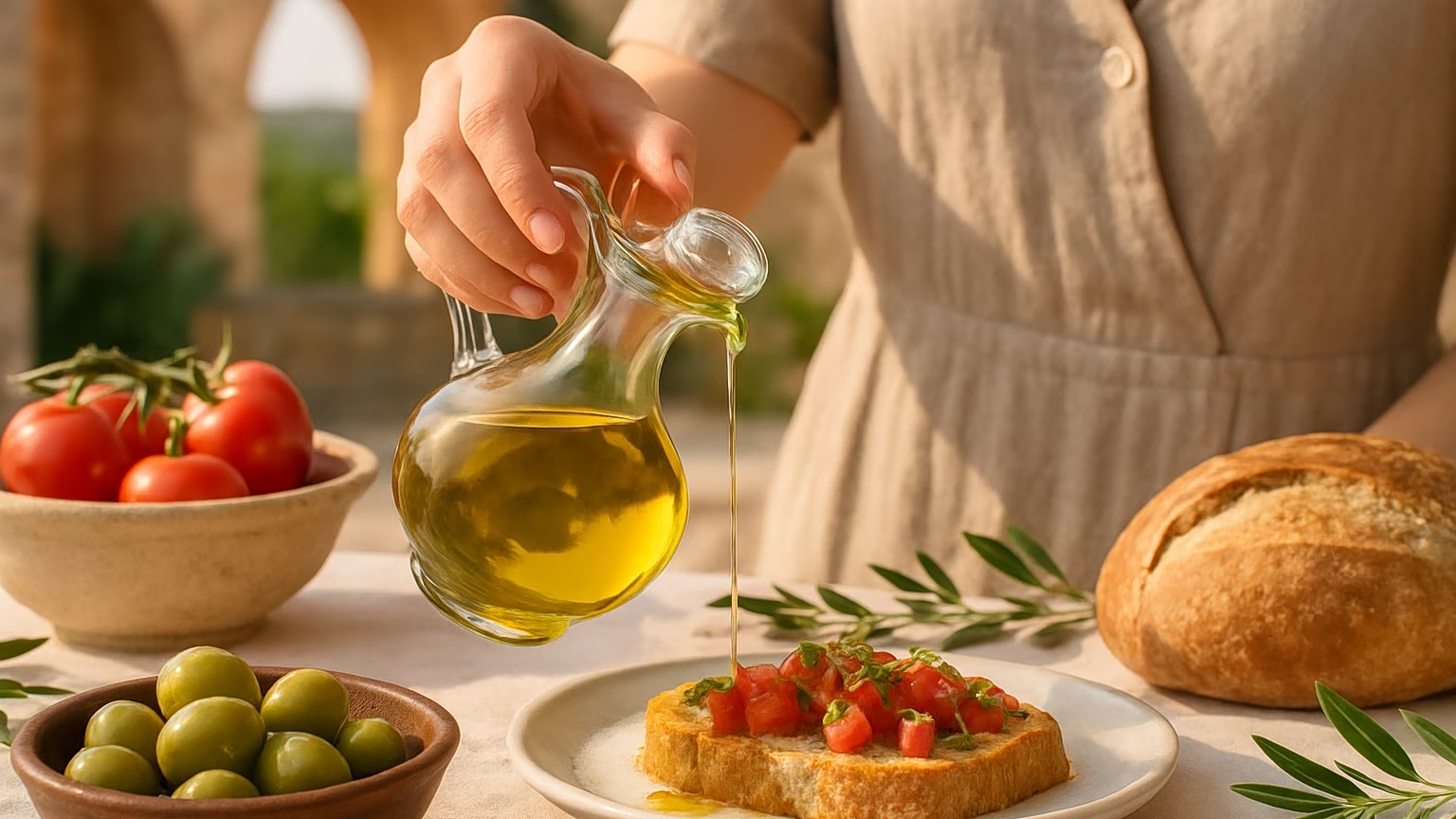
Olive oil, vegetable oils or, ideally, a combination of the two can produce a beautiful crust when frying. Photo: Shutterstock
Olive oil does not burn easily. It is rich in monounsaturated fats and antioxidants, can withstand very high temperatures — up to around 210°C — and remains relatively stable, producing consistent results in the pan.
There is one consideration: olive oil also brings its own flavor, which some people may find too strong.
Vegetable oils produce a more neutral result and excellent crispness, provided they are good quality and have not already been used repeatedly.
A mixture of the two — 40% olive oil and 60% vegetable oil — allows us to combine the best qualities of both and enjoy the kind of frying every bite deserves.
Lesson one: potatoes
They are the queens of the frying pan, which is precisely why they create such enormous expectations.
They are childhood. They are memories. They are the ultimate comfort food at every age.
Fried potatoes are everyone’s food, which is why we know almost instantly, the moment they land on the table, whether they are good or not.
Some of us like them thin; others prefer thick-cut, rustic pieces. That is a matter of taste.
The rule, however, is that very thin, stick-like potatoes tend to be crispier, while thicker ones have more flavor — provided you blanch them for a few minutes first, just enough to soften them slightly before they hit the hot oil.
Photo: Giorgos Drakopoulos
Photo: Giorgos Drakopoulos
The variety of potato matters, too. Your greengrocer can usually tell you which varieties are best for frying and which are better suited to the oven.
At the height of summer, Naxos potatoes are a safe bet. They are relatively high in starch and low in moisture, making them ideal for achieving potatoes that are crisp on the outside and fluffy within.
Peel them and rinse them thoroughly in a colander under running water to remove the excess surface starch, which can cause them to darken and remain soft.
Pat them gently with a towel until completely dry. Otherwise, you are in for a small war the moment they meet the oil.
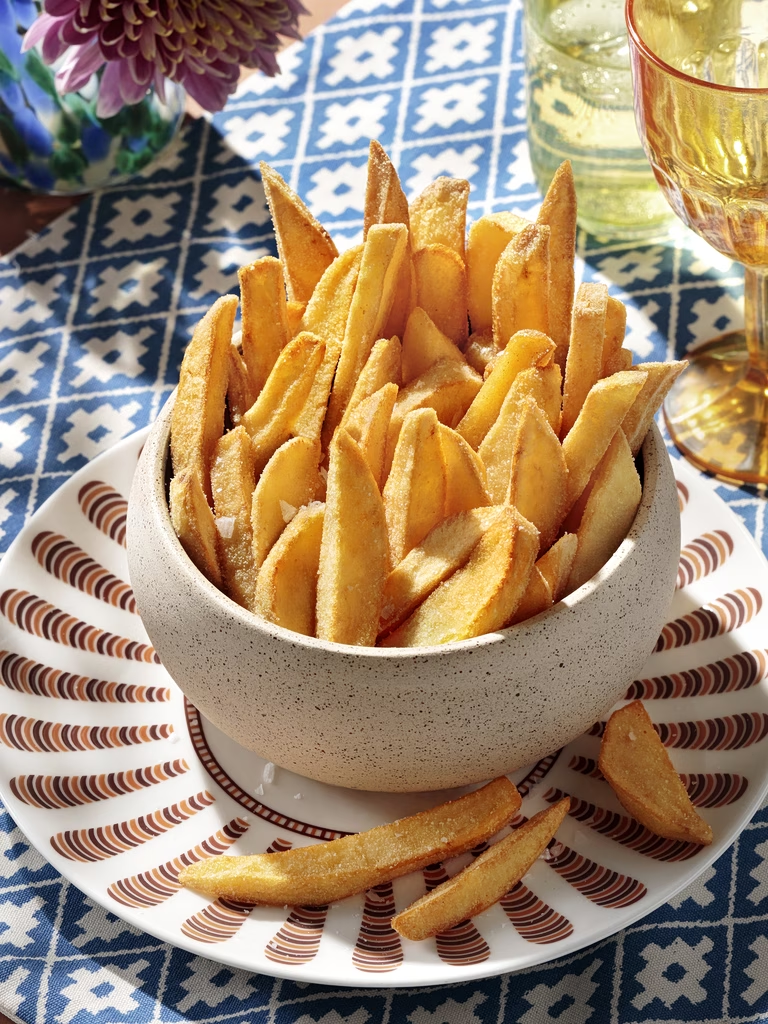
Photo: Giorgos Drakopoulos, Food styling: Olivia Artemis Webb
From this point on, everything may sound easy.
It isn’t.
The modern approach calls for double-frying potatoes for extra crispness, preferably in a deep saucepan or deep fryer.
If you have a thermometer — and you really should — use it.
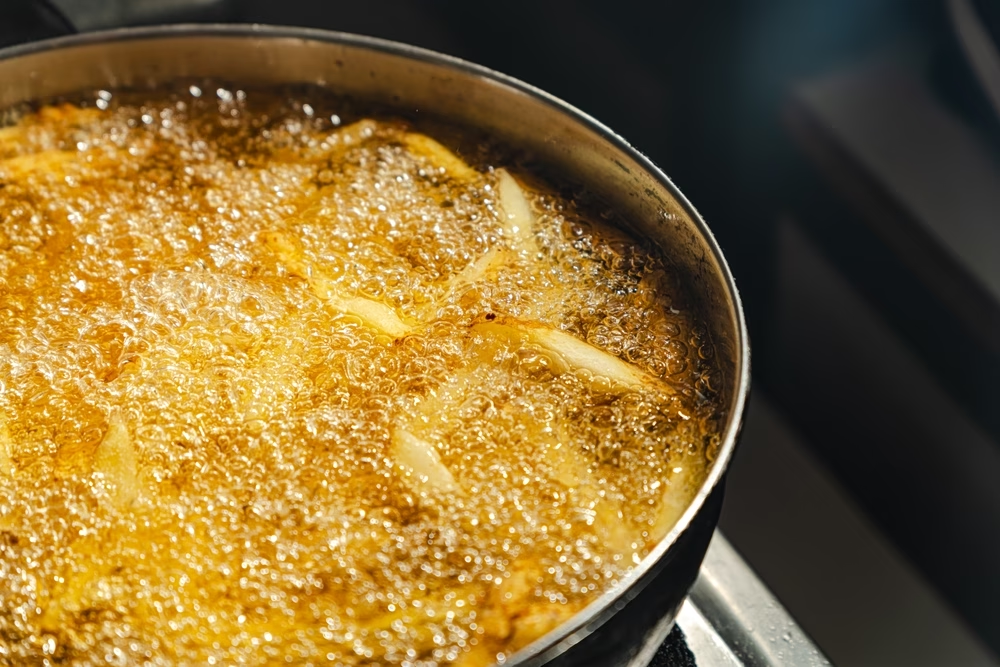
When the oil reaches 150–160°C, add the first batch. Do not overcrowd the pan. The potatoes should form a single layer in the oil, not a mountain.
Overloading the pan will cause the temperature to plunge, leaving some of the potatoes undercooked.
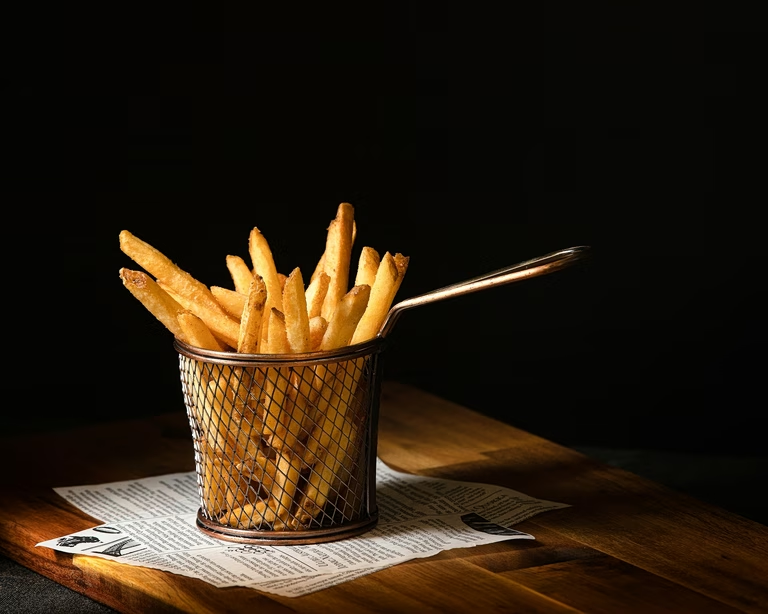
There is nothing quite like perfectly fried, crispy potatoes. They are the ultimate comfort food.
Fry them for a few minutes, until they begin to color, then transfer them to a plate lined with absorbent kitchen paper.
Wait for the oil to heat up again. Once it reaches 180°C, fry the potatoes a second time.
This second frying creates the crisp, golden exterior while keeping the inside soft and fluffy.
Salt them immediately after removing them from the pan and get them onto the table.
They should be eaten hot — and, ideally, with your hands — while the oil heats back up for the next batch.
Lesson two: the rest of the vegetables
Some of summer’s greatest pleasures are vegetables that travel directly from the garden to the frying pan: zucchini, eggplant and peppers.
Just as with potatoes, there is a choice between thin slices and thicker, rustic cuts.
But here the eternal question is different:
Flour or batter?
Flour is the quick option. Batter is more work, but definitely worth the effort.
Either way, the vegetables should be washed, thoroughly dried and cut into thin rounds or sticks.
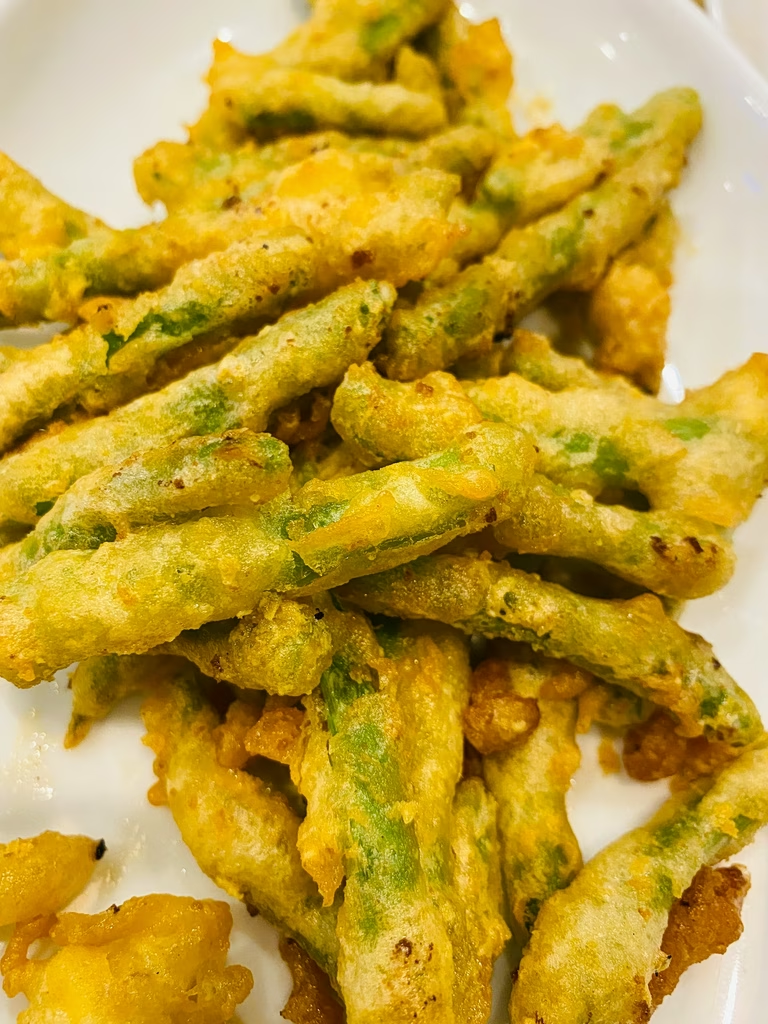
Fried zucchini sticks: one of summer’s greatest pleasures.
Eggplant in particular should be salted and left to stand for 30 minutes before you turn on the heat. This helps draw out its unpleasant bitterness.
Dry it thoroughly afterwards, removing every trace of moisture, and then move on to the crucial second step: building the crust.
If you are in a hurry, simply flour the vegetables. Once the oil reaches the desired 180°C, briefly dip them in a bowl of water and immediately transfer them to the hot oil.
As always, fry in small batches.
Horn peppers are the easiest and most cooperative of all. They do not even need flour. Put them straight into the pan over medium heat and serve them with plenty of vinegar for one of the great meze dishes of summer.
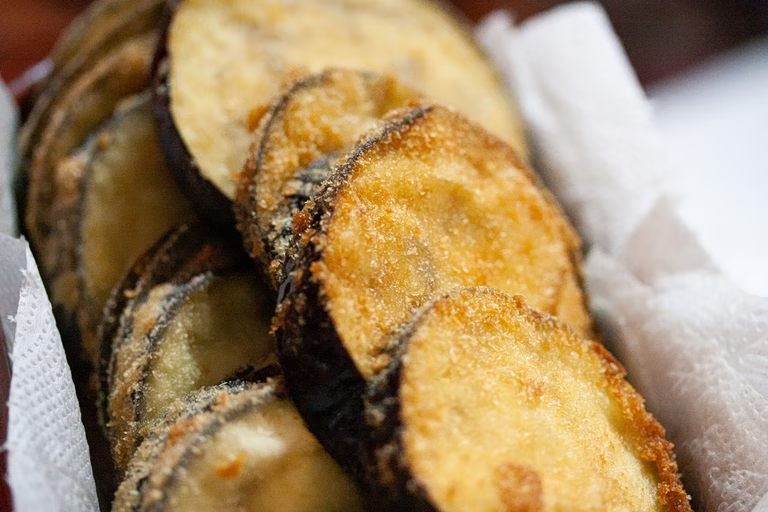
Floured eggplant, fried exactly as it should be. Photo: Shutterstock
If, however, you have the time and appetite for a lighter, crispier crust, make a simple batter with flour and ice-cold beer or sparkling water.
Coat the zucchini or eggplant first in flour and then dip them into the batter. The initial coating helps the batter adhere more firmly instead of slipping off during frying.
Drop them into hot oil and remove them as soon as the batter puffs up and turns golden.
That is how you know you have achieved the result you were after.
All that is missing now is a seriously good tzatziki on the side.
Lesson three: seafood
The highest level of frying artistry is reserved for seafood meze.
And mastering it depends on one fundamental rule:
The faster, the better.
Seafood — particularly calamari, shrimp and mussels, but also small fish such as atherina (small Mediterranean sand smelt), anchovies and red mullet — should not spend too long in the hot oil.
Otherwise, they lose their delicious natural juices, dry out and end up crispy but flavorless.
That is why they must be washed thoroughly and dried even more thoroughly, so there is not a trace of moisture left when they hit the oil.
Then flour them, shake off the excess and drop them into very hot oil.
If you are frying calamari, cover the pan to protect yourself from splattering oil — and to prevent the kitchen from becoming a war zone.
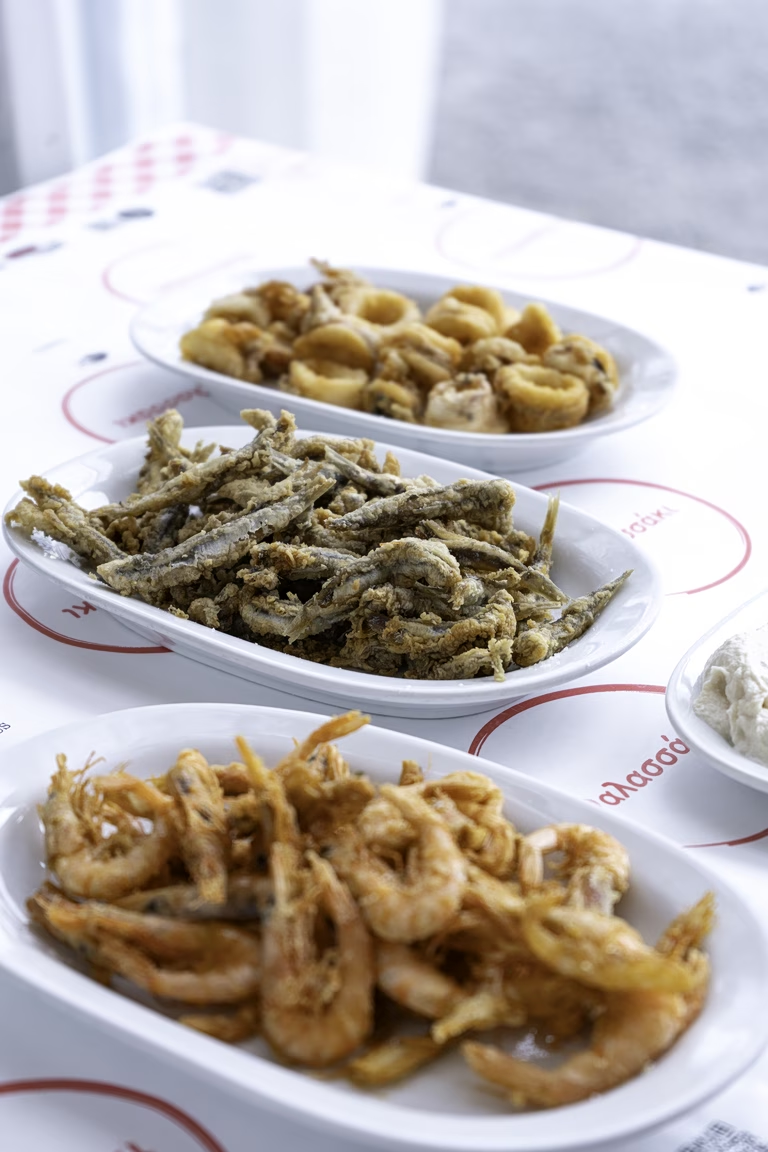
This is how the Greek tavernas we love fry their seafood. Photo: Christos Kavouris
Frying should take no more than three minutes, otherwise the seafood will become rubbery.
As soon as the crust begins to color and forms crisp, raised edges, remove the seafood immediately with a slotted spoon and transfer it to a plate lined with absorbent paper — or, ideally, to a wire rack.
Larger fish, such as red mullet, small cod or salt cod, can withstand a little more time in the pan.
After the first two minutes, simply lower the heat slightly.
The goal is a crisp crust and a properly cooked interior — without burning the outside.
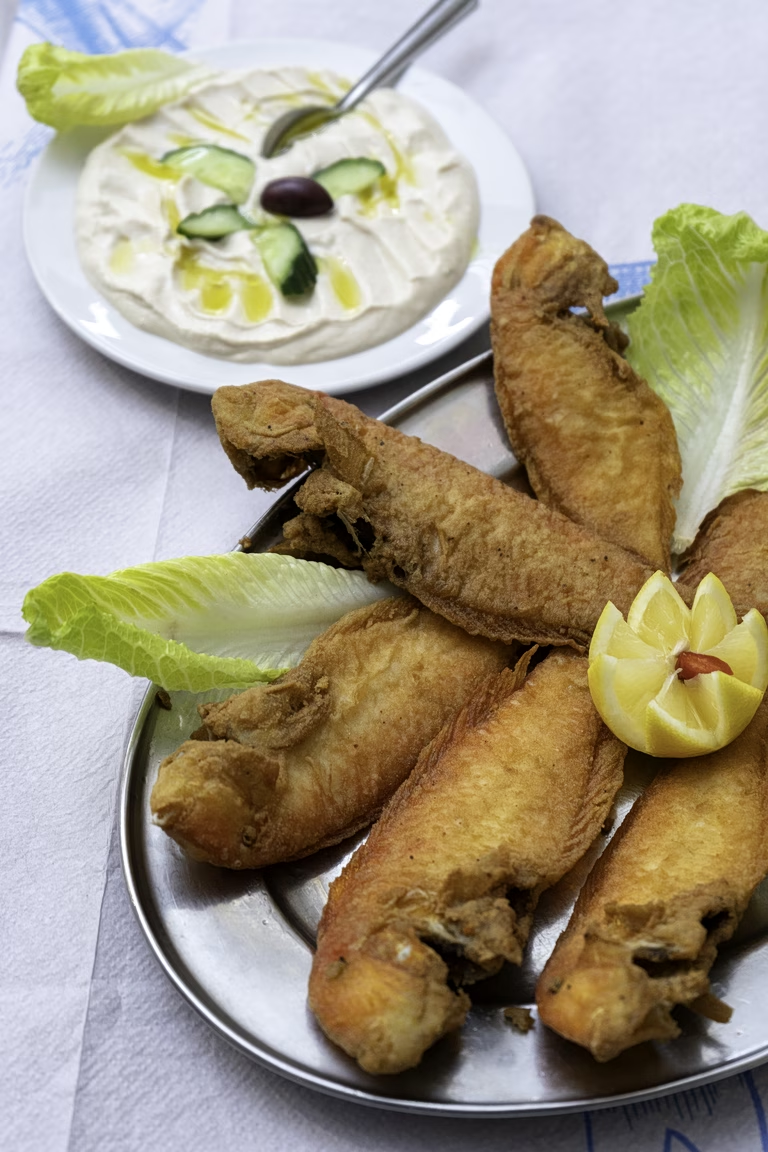
The definition of a perfectly fried red mullet, at Zahos taverna. Photo: Christos Kavouris
Experienced fish fryers often use a mixture of flours — regular flour combined with cornstarch, cornmeal or semolina — to achieve an exceptionally crisp and, most importantly, dry crust without a trace of greasiness.
If you want to make batter for salt-cod fritters, mussels or even calamari, trust the classic trick: ice-cold sparkling water or beer, a coating of flour, then a dip into the batter and straight into the hot oil.
The contrast between the freezing-cold batter and the scorching oil produces a dreamily crisp crust.
The Most Common Mistakes
- Frying before the oil has reached the correct temperature.
- Frying in oil that has become too hot and is smoking.
- Reusing the same oil too many times.
- Rushing and overcrowding the pan, causing the oil temperature to drop sharply.
- Failing to dry the ingredients properly before frying.
- Salting ingredients before they go into the pan, causing them to release their moisture.
- Stirring or moving ingredients around unnecessarily.
- Failing to let the oil return to the correct temperature before adding the second batch.
- Covering the plate of fried food to protect it. In reality, this destroys the crust: trapped steam makes it damp and soft.
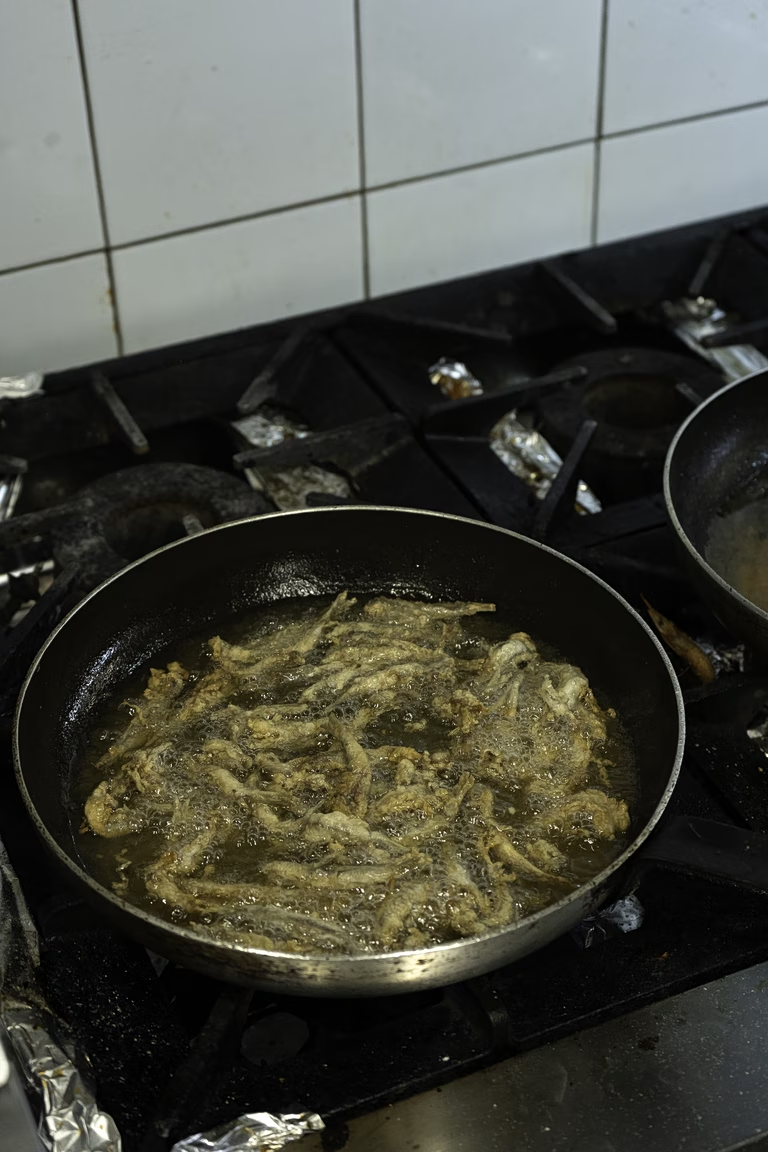
Photo: Christos Kavouris