
 Μake us preferred on Google
Greece’s short-term rental market, the Airbnb-style segment, posted double-digit price growth in October 2026, but demand and occupancy fell sharply, according to AirDNA’s monthly report.
The figures point to fading tourist activity on the islands. Athens was the exception: occupancy there stayed high.
The average daily rate (ADR) in Greece rose 13.3% to €128.16, compared with an 8.8% increase across the European market as a whole. That ranks among the steepest gains in Europe’s 20 largest short-term rental markets.
Demand moved the other way. Nights booked fell 10.1%, and occupancy dropped 3.3 percentage points to 49.1%. Higher prices still pushed revenue per available rental (RevPAR) up 6.3% to €62.97.
Islands take the biggest occupancy hit
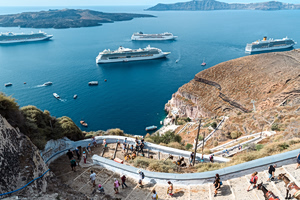
The drop in demand was most visible in popular island destinations. AirDNA reports that occupancy fell 9.1 percentage points on Mykonos, 8.9 points on Milos, and 7.7 points on Zakynthos.
Mykonos stands out. Its average daily rate jumped 33.2% even as nights booked fell 37.7%.
The analysis links this to the end of the tourist season. Lower-priced listings leave the market at that point, which raises the average rate of the properties still operating.
Athens looked very different, with occupancy holding at 72.1%. Available supply there shrank 6.5%, in step with demand, which kept occupancy steady.
Where prices are really rising
The Repeat Rent Index (RRI) adds useful detail. It tracks price changes at the same properties over time, so shifts in the mix of listings on the market have less effect on the result.
In Greece, the index rose 8.2%, compared with the 13.3% increase in the overall average daily rate.
That 5.1-point gap means existing properties raising their rates explains only part of the price growth. The rest came from more expensive properties making up a larger share of the nights actually booked.
Greece and Croatia posted the same 13.3% increase in average daily rate, well above the European average.
AirDNA says the Greek figures show a market with strong pricing power that also faces a bigger seasonal drop in demand than the European average, especially in its island destinations.