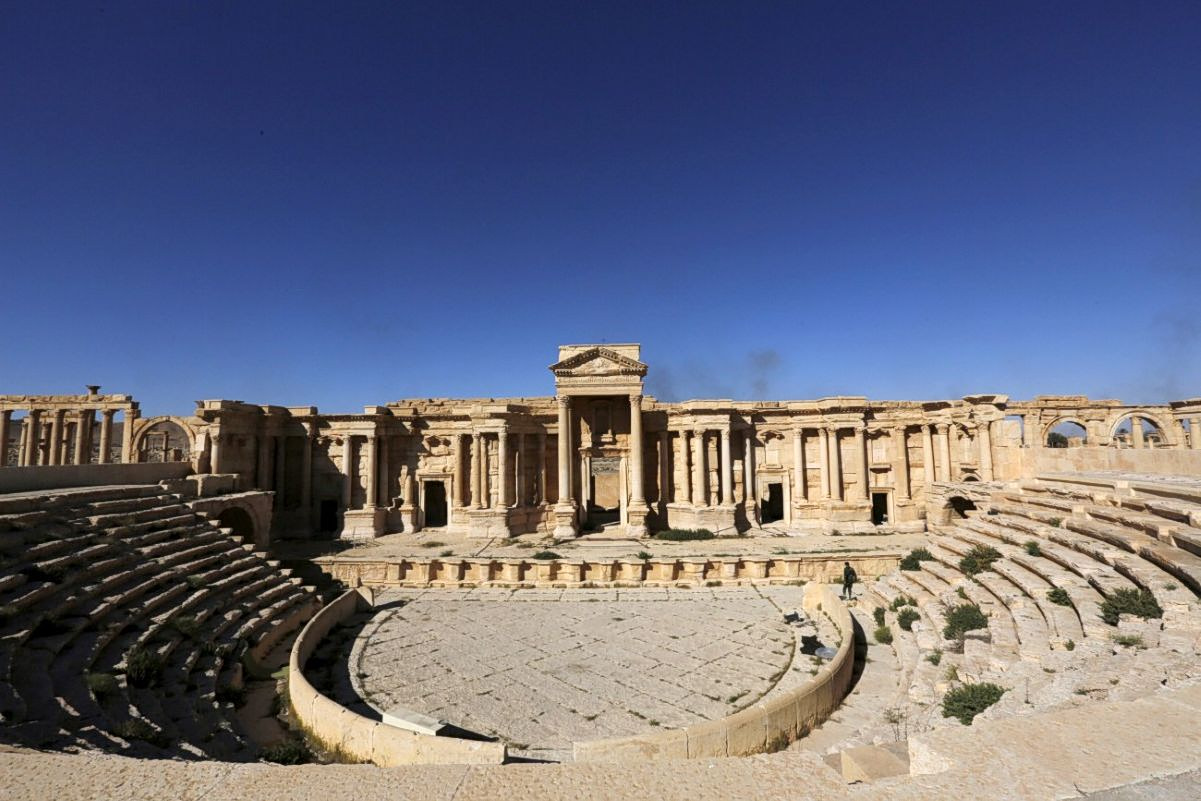
At first light, the columns and monuments of Palmyra glow with a soft, golden sheen, echoing the era when the ancient city was a vital stop on a major trading route linking East and West. Before 2011, roughly 150,000 visitors a year travelled to this UNESCO-listed site.
The outbreak of Syria’s civil war brought that flow to an abrupt halt. Tourism collapsed, and for years access to Palmyra and much of the country was largely limited to foreign troops deployed amid the conflict.
Following the political shift of Dec. 8 2024 and the departure of Bashar al-Assad from power, Syria is beginning to see the cautious return of foreign visitors. Some come to witness what survived: the remnants of theatres, tombs and temples, even as landmarks such as the nearly 2,000-year-old Temple of Bel were devastated during the period of jihadist control.
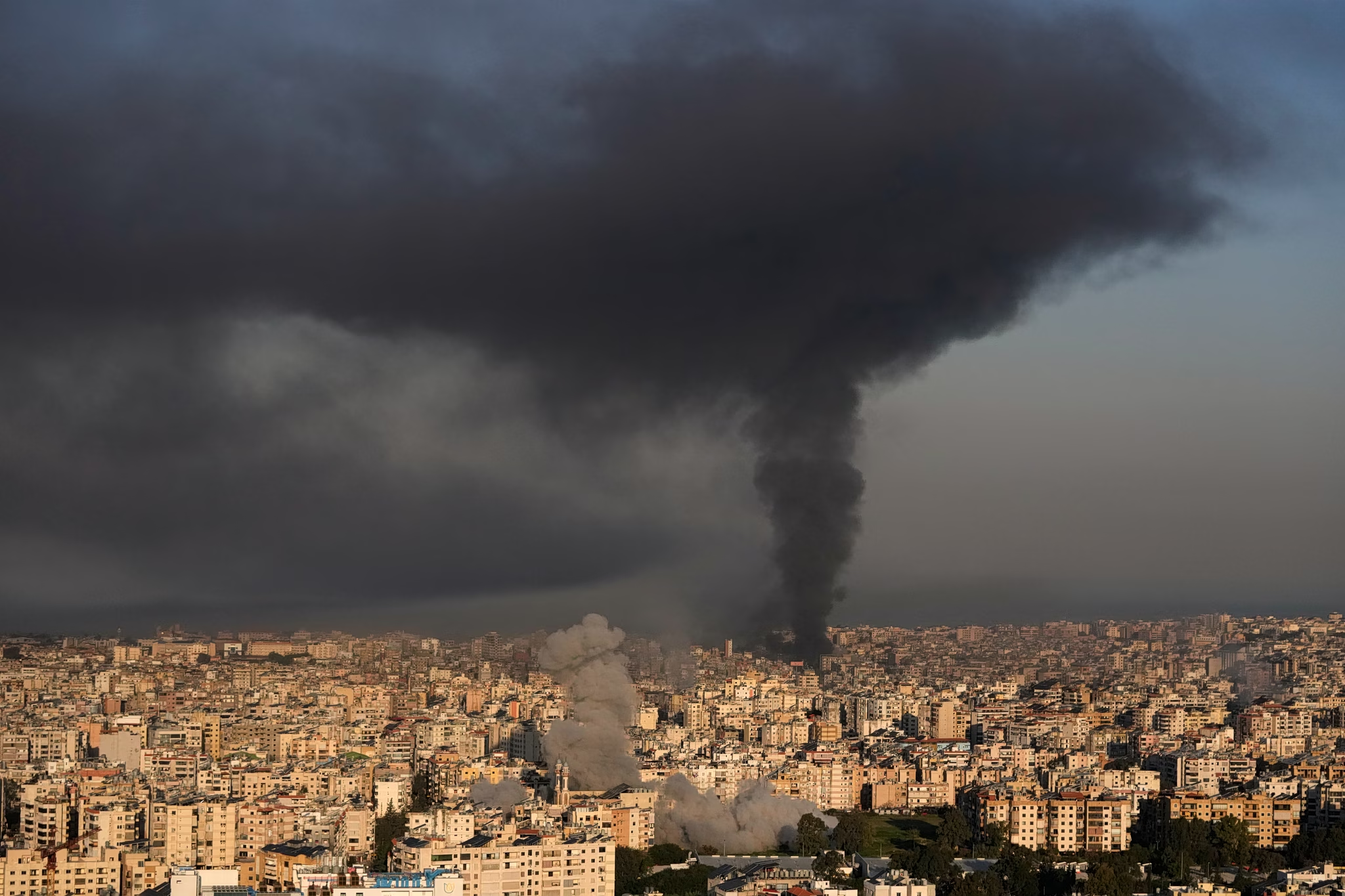
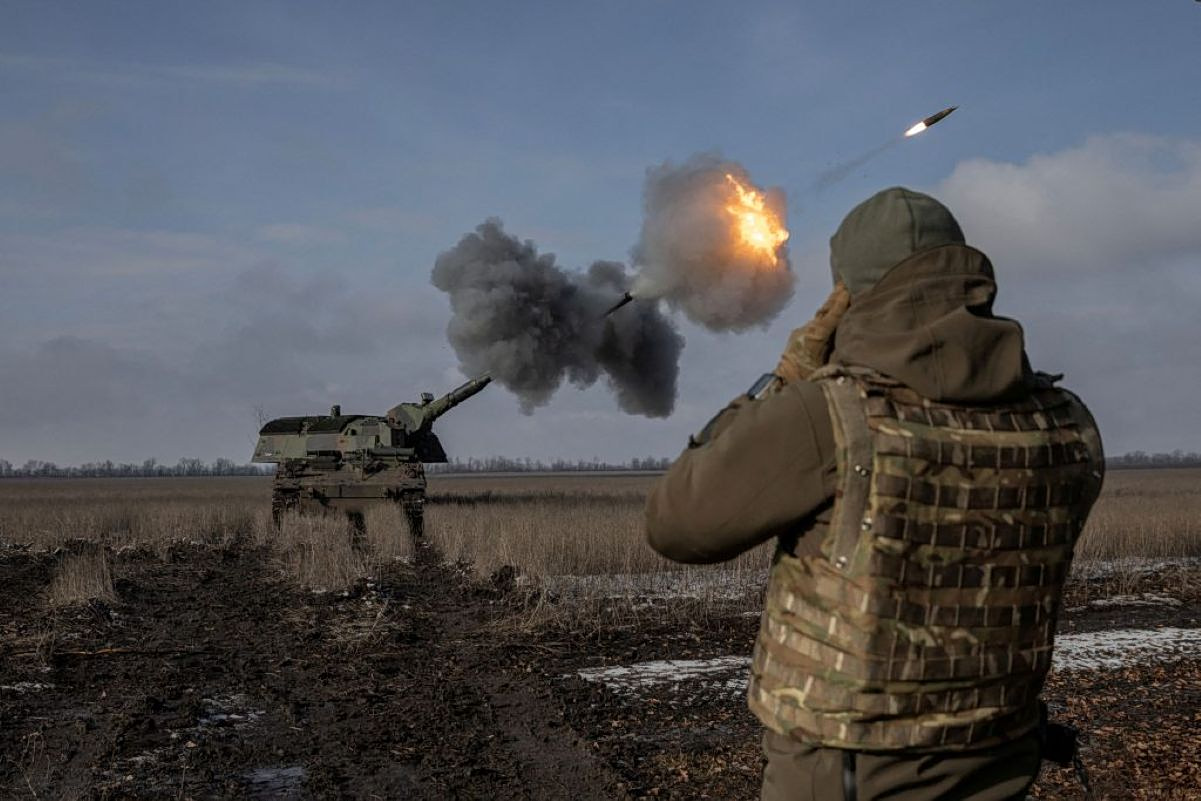
Others, however, are drawn by a different impulse. They want to see the scars of war up close—destroyed neighborhoods, abandoned armored vehicles, sites of bombardment and underground tunnels carved out by rebel groups. These travelers are often described as “dark tourists”.
On Instagram and TikTok, users trade tips about the most “charged” locations. There is particular fascination with Saydnaya, the notorious prison near Damascus, now closed following the political transition. Though officially off-limits, private guides claim they can arrange access for a “hefty” price.
Demand for such experiences is rising globally. According to Global Industry Analysts, the dark tourism market exceeds 35bn dollars and could reach 41bn dollars by 2030, figures cited by The Economist. The category spans sites of tragedy from the 9/11 Memorial to battlefields, concentration camps and disaster zones.
Syria is not alone. Interest is also rising in destinations such as Iran, North Korea, South Sudan and Ukraine. Tour operators like Young Pioneer Tours have expanded their offerings from 30 destinations in 2013 to more than 100 today. Elsewhere, similar patterns emerge.

This photo provided on July 2, 2025, by the North Korean government, shows a beach resort in the Wonsan-Kalma eastern coastal tourist zone on July 1, 2025. (Korean Central News Agency/Korea News Service via AP)
In Afghanistan, tourist arrivals rose from 2,300 in 2022 to around 7,000 in 2023 after the 2021 political shift, as organized groups began offering “immersive” tours of everyday life. In Mexico, some companies even stage simulated “nighttime illegal border crossings,” complete with actors playing smugglers and border guards.
Much of this demand is driven by younger travelers. According to Booking.com, nearly 60% of Generation Z travelers draw inspiration from social media when choosing destinations, while about 45% are influenced by online personalities. Many young people from countries without recent experience of war appear eager to see conflict zones firsthand.