
 Μake us preferred on Google
 The sinking of the Titanic on the night of April 14–15, 1912, remains one of the most infamous maritime disasters in history. While the tragedy claimed more than 1,500 lives, a lesser-known detail is that among the victims were at least four Greek passengers whose story has largely faded from public memory.
According to historical records, all four were male third-class passengers travelling from Greece to the United States in search of a better life. None survived the disaster.
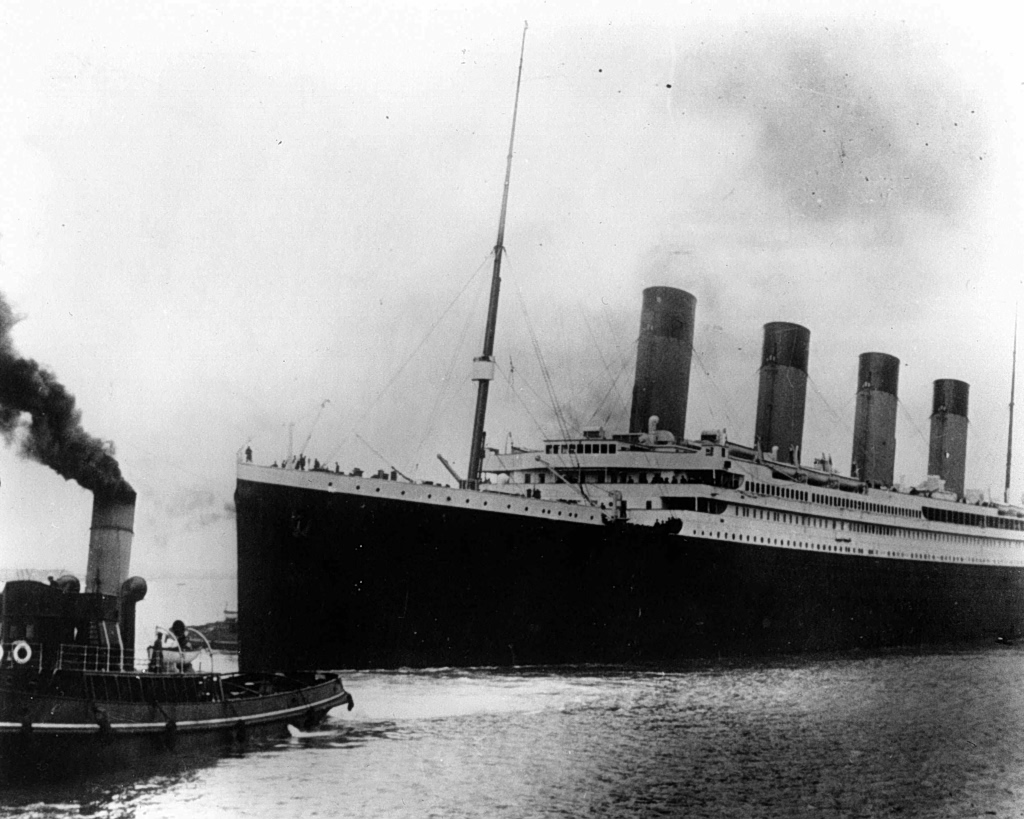
The British liner Titanic sails out of Southampton, England, at the start of its doomed voyage on April 10, 1912. The ship struck an iceberg and sank on April 14-15, killing more than 1,500 of the 2,200 people aboard, many of them because there weren’t enough lifeboats. (AP Photo)
From Rural Greece to a Transatlantic Dream
The four men came from modest backgrounds and, like many European migrants of the early 20th century, had left their homeland hoping to find work and opportunity in America. For them, the Titanic represented not luxury, but a chance at a new beginning.
They are believed to have originated from the same rural community in southern Greece, a small village where their memory is still preserved today through a local monument dedicated to their fate. Their journey ended during the ship’s ill-fated maiden voyage.
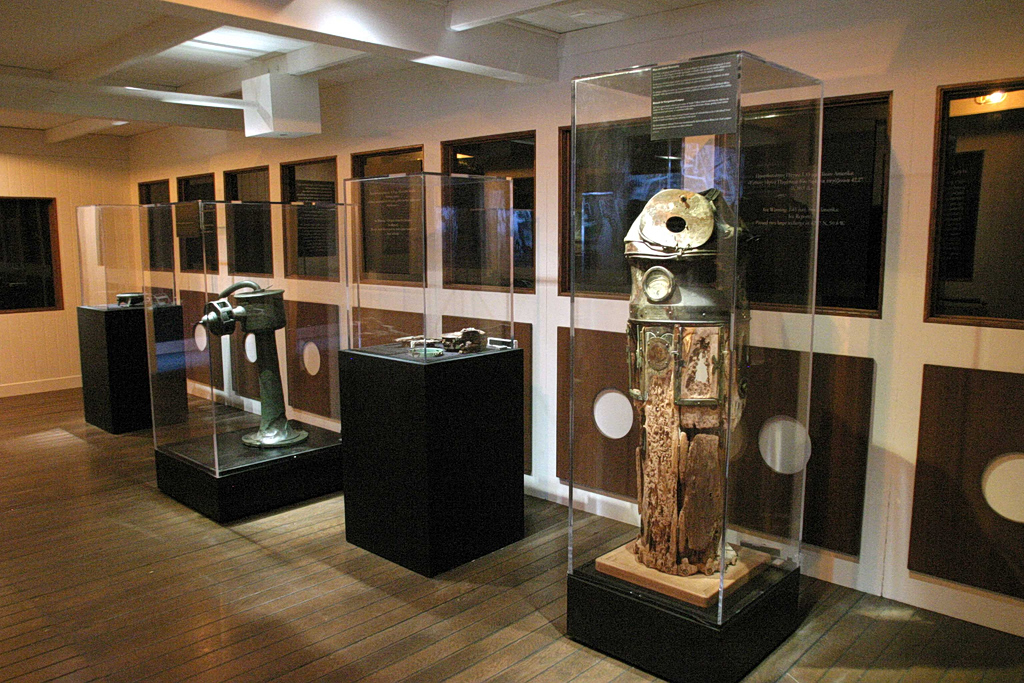
(EUROKINISSI/ ΤΑΤΙΑΝΑ ΜΠΟΛΑΡΗ)
Names Lost in History
The identified victims are:
- Panagiotis K. Lymperopoulus, 30
- Apostolos M. Chronopoulos, 26
- Dimitrios M. Chronopoulos, 19
- Vasilios G. Katavelos 19
Two of the bodies were reportedly recovered after the sinking, while the others were never found.
Because third-class passengers were often registered with inconsistent spellings in English-language records, it took years for historians to fully confirm and preserve their identities.
Third-Class Passengers and a Fight for Survival
Like most third-class travelers aboard the Titanic, the four Greeks faced extremely low survival odds. Men in third class had less than a 20% chance of survival, due in part to restricted access to upper decks, confusion during evacuation, and lack of timely information.
These conditions contributed significantly to the tragedy that unfolded as the ship went down in the icy waters of the North Atlantic.
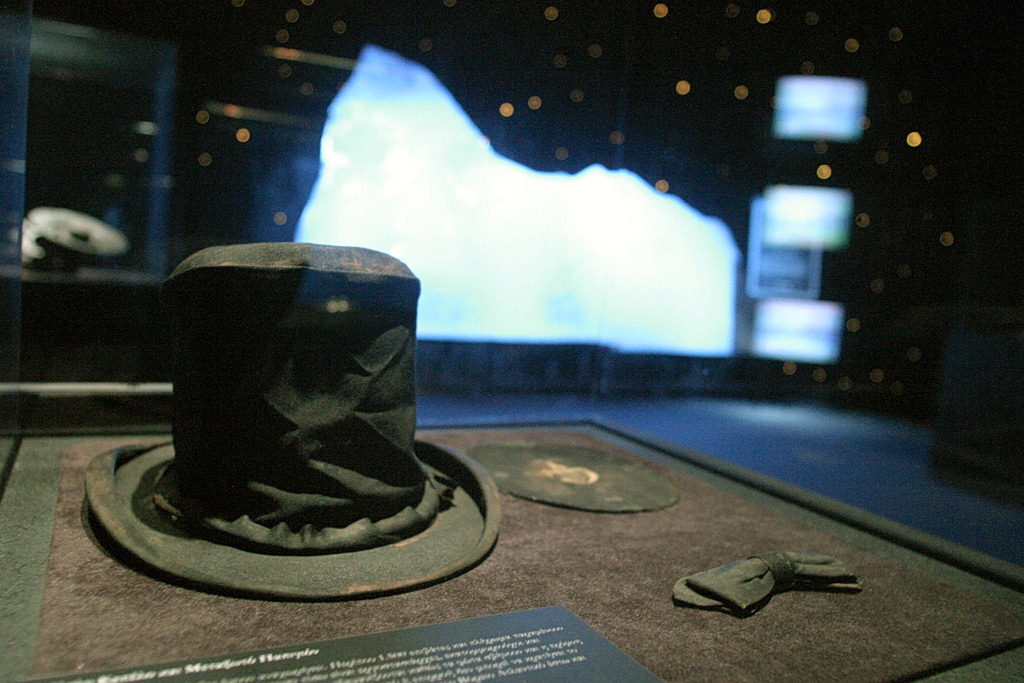
(EUROKINISSI/ ΤΑΤΙΑΝΑ ΜΠΟΛΑΡΗ)
A Symbol of Migration and Lost Hope
More than a century later, the story of these four men stands as a reflection of a broader human experience: the wave of early Greek migration to the United States and the risks taken in pursuit of a better future.
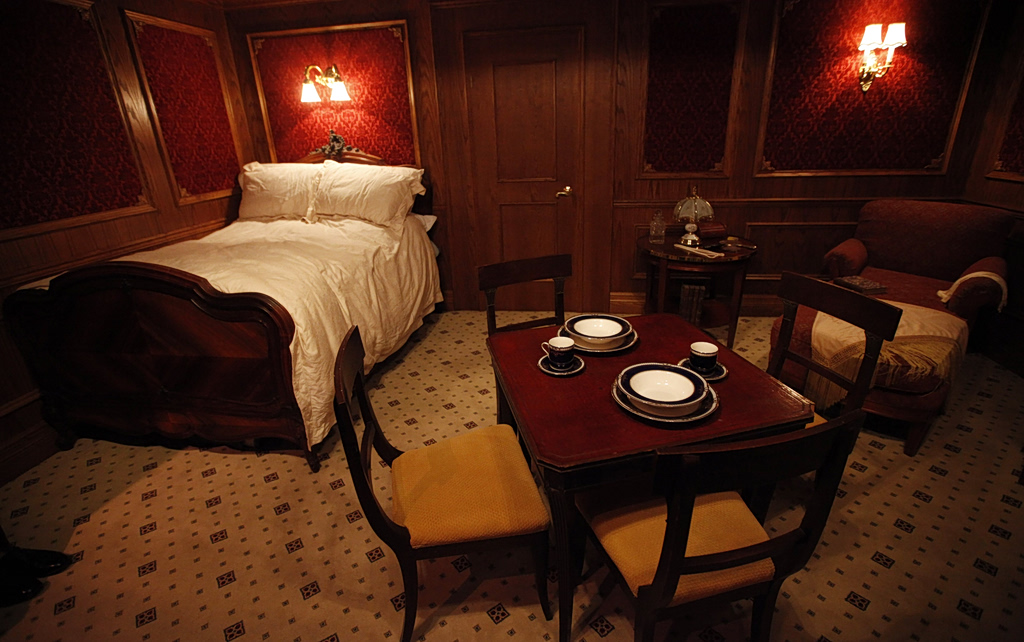
A recreation of a first class cabin is displayed at the “Titanic: The Artefact Exhibition” in London November 3, 2010. The exhibition which opens on Friday will feature more than 300 artefacts, some of which have never been seen before. REUTERS/Suzanne Plunkett (BRITAIN – Tags: MARITIME SOCIETY)