 Μake us preferred on Google
 The euro zone economy is set to face slower growth and rising inflation this year even if disruptions from the Iran war ease by mid-2026, the International Monetary Fund said on Tuesday.
In its latest World Economic Outlook, the IMF projected growth in the euro area to slow to 1.1% this year, down from 1.4% in 2025 and below its earlier estimate of 1.3% made in January. The downgrade reflects the economic strain caused by the conflict, which has offset stronger-than-expected performance at the end of last year.
The euro zone remains particularly vulnerable due to its reliance on imported energy, with rising costs compounding existing pressures stemming from Russia’s war in Ukraine. The IMF said higher energy prices would continue to weigh on manufacturing and broader economic activity.
Inflation is expected to increase to 2.6% in 2026, up from 2.1% the previous year, under the IMF’s baseline scenario, which assumes the war remains limited in scope and fades by mid-year.
NEWSLETTER TABLE TALK
Never miss a story.
Subscribe now.
The most important news & topics every week in your inbox.
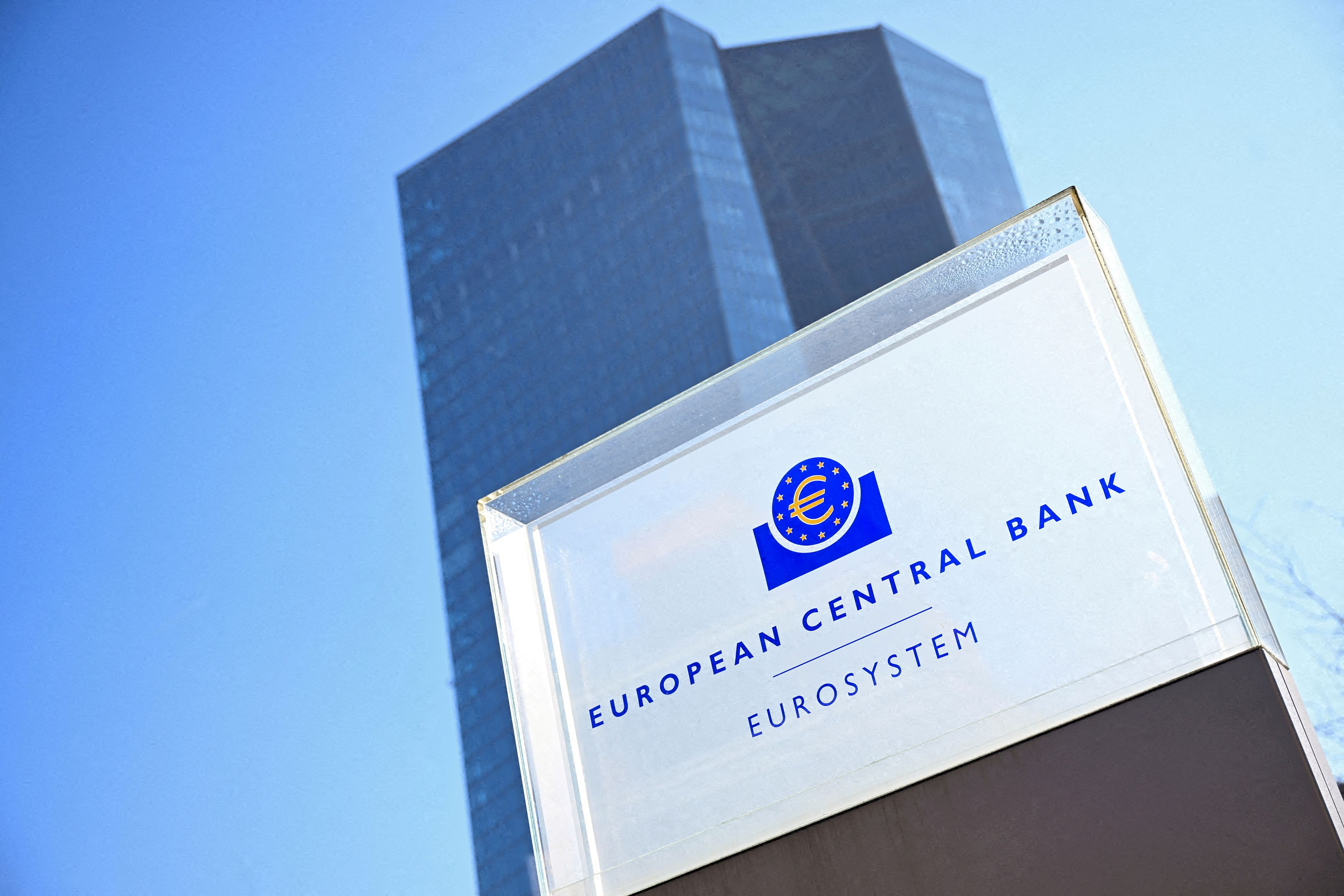
As a result, the European Central Bank is likely to raise its deposit rate by 50 basis points during 2026 to contain inflation, in line with market expectations that anticipate a rate hike by June.
While increased defence spending could help offset some of the economic drag, the IMF noted that such spending would ramp up gradually, with its positive effects likely to be felt later.
The IMF also cautioned that more severe scenarios could lead to significantly weaker growth and higher inflation globally if the conflict intensifies or persists longer than expected.