 Μake us preferred on Google
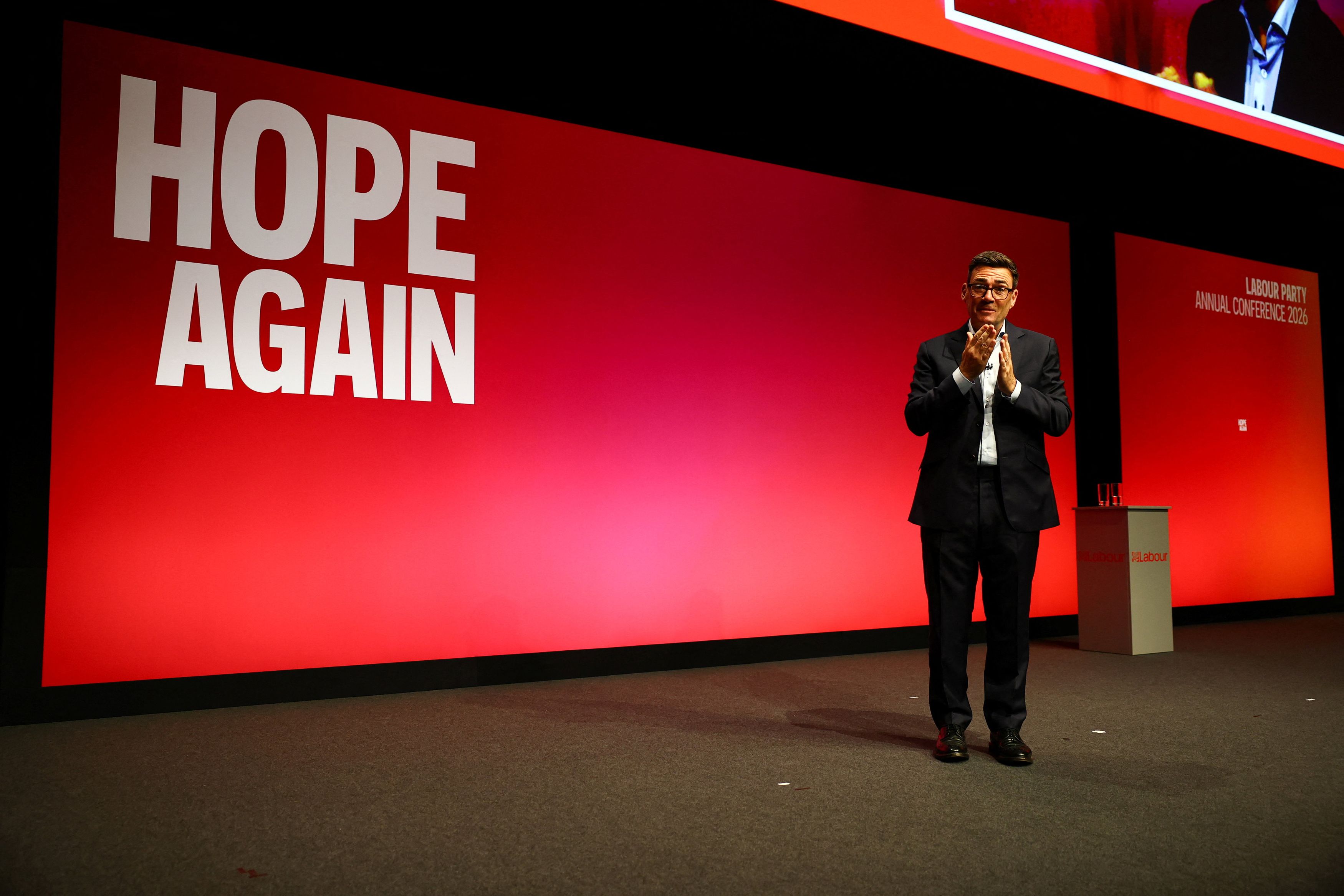
 A sea of red lanyards sways beneath the glass-and-steel skyline of Liverpool’s waterfront. Delegates clutch coffees, television crews jostle for position, and campaigners hurry between fringe events carrying bundles of policy papers. Outside the conference venue, the late September wind whips across the Mersey, while inside thousands of Labor members arrive with a mixture of anticipation and unease. The banners proclaim a simple message: “Hope Again”. Yet beyond the slogans lies a more complicated reality.
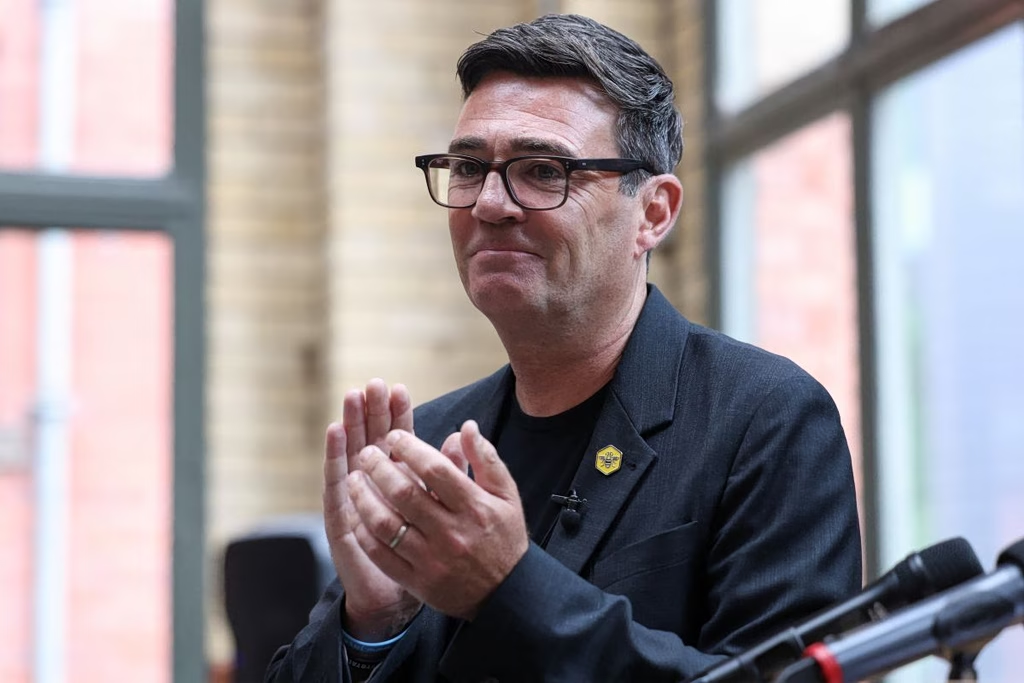
When Labor opens its annual conference in Liverpool this weekend, the party does so against a backdrop of economic uncertainty, persistent cost-of-living pressures, international instability and mounting speculation about the political future. The gathering comes just weeks before a highly anticipated Budget and amid growing debate over whether Prime Minister Andy Burnham can convince voters that Labor’s promise of national renewal is more than an attractive conference theme.
The stakes could hardly be higher. Labor strategists want the conference to demonstrate confidence and direction. Critics question whether the Government can deliver meaningful improvements in living standards quickly enough. At the same time, rumor’s of an early general election continue to circulate through Westminster.
To understand the challenges facing the Government, TO VIMA spoke to three leading observers of British politics and public opinion: economist Patrick Minford, Professor Tim Bale of Queen Mary University of London, and Joe Twyman, co-founder and director of Deltapoll.
The Budget dilemma
For Patrick Minford, the greatest danger facing the Government is economic rather than political theatre.
“The main risk is raising taxes on businesses and entrepreneurs which would cause an exodus of both,” he told me.
Minford is equally skeptical about Labor’s broader economic narrative.
“Not at all. The problem is it wishes to raise welfare handouts but has not the revenue to pay for this.”
His warning extends to any move targeting higher earners.
“It could cause a collapse in economic credibility and further rises in government bond yields.”
The concern about balancing public expectations with fiscal discipline is echoed, though from a different perspective, by Professor Tim Bale.
“The main political risk,” Bale said, “is that it falls between two stools – increases taxes too much for voters yet doesn’t increase them sufficiently to significantly reduce government borrowing, thereby alarming the bond markets.”
That tension is likely to dominate conversations throughout the conference. Labor activists want action on living costs, while ministers must convince investors and financial markets that public finances remain under control. The Chancellor’s conference speech will therefore be scrutinized not only by delegates in Liverpool but also by businesses, economists and international observers.
Can Labour still sell “national renewal”?
The official theme of this year’s conference is “Hope Again”, with Burnham expected to outline a long-term vision built around affordability, economic resilience and public service reform. Yet whether that message resonates beyond the conference hall remains an open question.
Asked about Labor’s narrative of national renewal, Bale offered a more nuanced assessment than Minford.
“It depends where you look – by far the most electorally salient part of the country’s infrastructure in desperate need of renewal is the NHS, and it’s still pouring a lot of money into that.”
Joe Twyman believes the challenge is even broader. In his view, Labor faces many of the same economic constraints that frustrated previous governments.
“The difficulty that Labor has, the difficulty that Andy Burnham has, is that many of the restrictions that Keir Starmer faced when it comes to the economy are still there.”
He pointed to the lingering effects of inflation and global instability.
“Controlling inflation simply means the prices are not rising as fast as they previously did. It doesn’t mean that prices will go back to what they were.”
For Twyman, this distinction matters because it shapes how voters judge governments. Economic statistics may improve, but if families still feel financially squeezed, political rewards can remain elusive.
“The most important issue facing people and their families is consistently the cost of living,” he said. “People have to feel that they themselves are benefiting economically or are going to benefit economically.”
That may be the central challenge Burnham confronts in Liverpool: translating macroeconomic arguments into something voters can actually feel in their everyday lives.
Taxing wealth: politics versus economics
Another question hanging over the conference is whether Labor will seek additional revenue from wealthier individuals.
Minford’s verdict is blunt.
“It could cause a collapse in economic credibility and further rises in government bond yields.”
Bale sees the politics rather differently.
“They’d be welcomed by a large slice of the electorate, although the markets, the media and the right-wing parties would protest. They won’t raise much money, though: more symbolic than substantive.”
Twyman argues that public reactions depend less on the policy details and more on whether voters believe the outcome will improve their lives.
“Generally speaking, there is a recognition that taxes need to go up. The problem is everyone thinks everyone else’s taxes need to go up.”
He added: “Will it improve people’s economic circumstances? Will it improve public services? Or will it be perceived to just be a waste and not working very well?”
Those competing assessments illustrate the balancing act facing Labor: satisfying demands for fairness while maintaining confidence in economic management.
Early election rumors refuse to disappear
Perhaps the most intriguing subplot surrounding this conference is the persistent speculation about an early general election. Reports, polls and opposition claims have fueled debate about whether Burnham might seek a fresh mandate sooner than expected.
Minford dismisses the idea.
“Unlikely as polls suggest Labor would lose its majority.”
Bale is more cautious.
“None of the pollsters or academic election experts I’ve talked to think it would be a good idea,” he told me, before adding that it remains “unlikely” but “by no means impossible”.
Twyman takes a similarly measured view.
“Is it possible that an early election could take place? Yes. But I don’t think it’s the most likely outcome.”
He believes Labor’s leadership may conclude that time remains their greatest asset.
“I think he will prefer to wait and see if the economy can be made to improve.”
Yet the very existence of the debate reflects the fluid nature of British politics. Polling has shown signs of improvement for Labor under Burnham, but not necessarily enough to remove uncertainty about the electoral landscape. That uncertainty is likely to remain a talking point long after delegates leave Liverpool.
Foreign policy matters – but only up to a point
While Westminster remains absorbed by debates over Donald Trump, Chagos, Ukraine and Britain’s international role, all three interviewees suggested domestic concerns continue to dominate voter priorities.
“Not important,” Minford said when asked about the significance of issues such as Trump and Chagos in Labour’s political calculations.
Bale reached a similar conclusion.
“That stuff rarely matters to voters – it’s obviously important geopolitically but electorally negligible, the only exception on that front being Gaza.”
Twyman also argued that foreign policy rarely decides elections.
“Ultimately, the number of people who are going to make their voting decision based on Chagos is vanishingly few.”
His conclusion was straightforward: “Generally speaking, these things aren’t important” compared with the cost of living and economic conditions.
For all the attention international affairs receive in Westminster, Liverpool delegates are likely to spend much of the week discussing something far closer to home: household finances.
Hope versus reality
As Labor members gather on Merseyside, the conference slogan offers a clear ambition. Burnham wants voters to believe the future can be brighter. The question is whether hope alone can overcome the economic pressures many households continue to face.
Liverpool will provide Andy Burnham with a national stage and a chance to define his leadership. Whether delegates leave inspired is one thing. Whether voters feel their lives improving is another.
By the time the conference closes and attention turns to the Budget, Labor’s message of “Hope Again” will face its first real test.