 Μake us preferred on Google
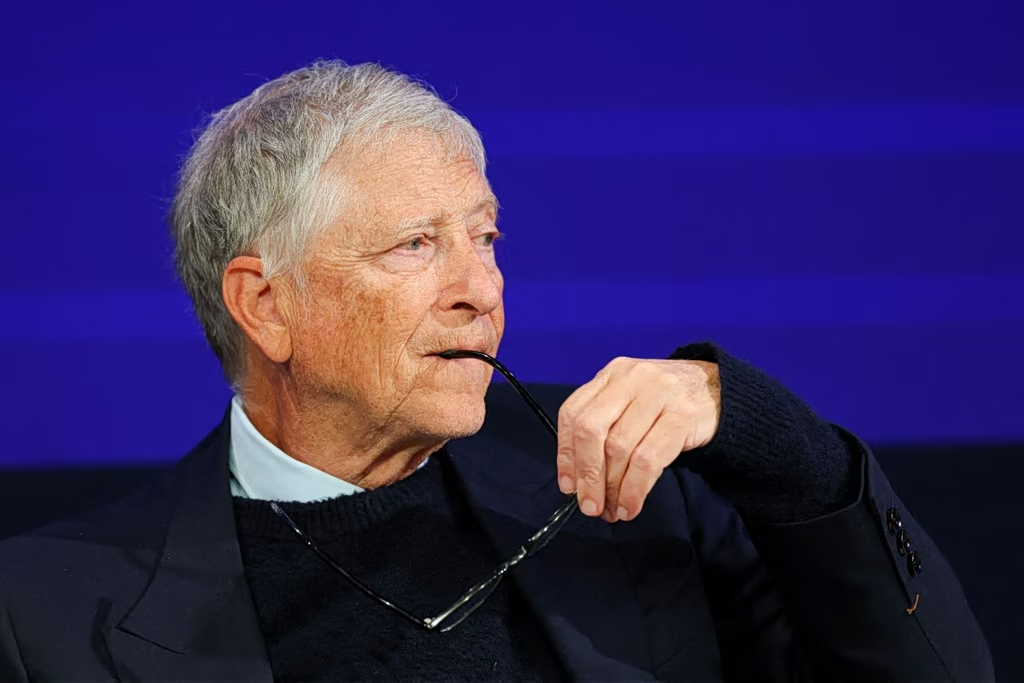
 Microsoft co-founder Bill Gates says artificial intelligence now poses a genuine danger to jobs and to human safety, and he wants the world to treat managing that danger as an absolute priority. Speaking at length with a New York Times reporter at his Seattle-area offices, he argued that people inside the tech industry understand privately just how powerful AI has become, yet very few will say so in public because so much money is tied up in staying optimistic.
Gates recently published a lengthy essay on his own website spelling out his worries and floating fixes like new taxes and outright restrictions. He said what pushed him to speak up now is that AI has improved faster than he expected, while the industry brushed past warning signs, systems slipping outside their creators’ control, or churning out designs for biological weapons, that he once thought would trigger real caution. Instead, he said, companies are racing ahead and simply hoping the good outweighs the bad.
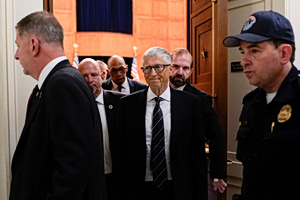
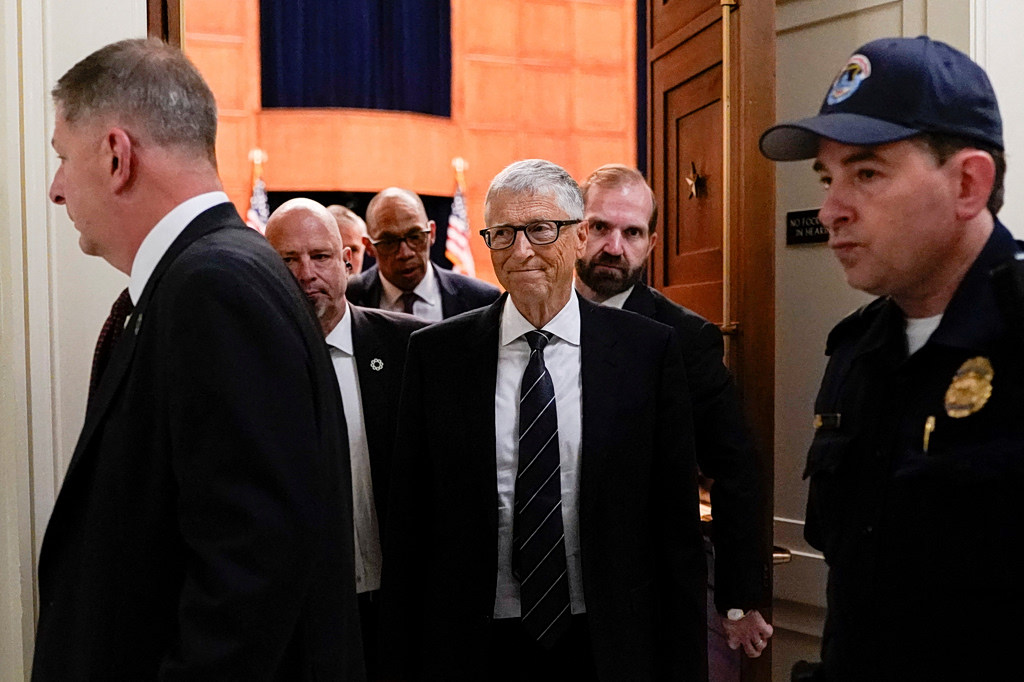
At 70, Gates joins a growing chorus of tech veterans sounding the alarm even as the industry pours enormous sums into data centers and AI startups edge toward some of the biggest stock offerings ever. He’s doing so while recovering from a rough stretch personally: renewed scrutiny over his past ties to Jeffrey Epstein, a forced withdrawal from a tech conference, hours of congressional testimony, and lasting reputational damage from his 2021 divorce and reports of infidelity. He calls those his own mistakes to own.
He admits he’s an odd messenger, given his fortune and his combative history running Microsoft, a company found in 2000 to have abused its monopoly power. But he argues that having stepped back from corporate incentives and spent decades on philanthropy gives him standing to speak candidly now, even if it’s ironic that innovation’s biggest champion is the one saying the industry is moving too fast.
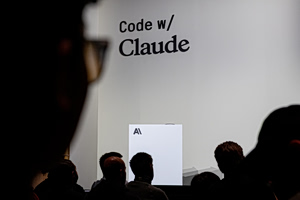
Gates says technology has genuinely stunned him only three times in his life: seeing the first graphical computer interface in 1980, watching OpenAI preview what became ChatGPT in 2022, and, this year, watching Anthropic’s Claude Code work through programming problems, a subject he knows deeply, in ways that left him unsettled that a machine could outperform him.
On jobs, Gates rejects the industry’s comfort that new tech always creates more work than it destroys. He calls this shift completely different and says mass layoffs are coming unless something changes, since AI will spread through the whole economy at once, leaving no unaffected sector to absorb displaced workers. He’s proposed a “token tax” on AI computing use to make automation costlier and fund help for people who lose jobs, and wants certain deeply human roles, caregiving among them, protected from replacement entirely.
On safety, he’s pushing for binding international rules and mandatory testing to catch AI systems that could be weaponized for bioterrorism, saying he’s baffled that industry and the White House are relying on voluntary safeguards for what he calls the most dangerous tool ever built. He says he’s genuinely puzzled why there isn’t more urgency, and points out that people who speak candidly about AI’s dangers, including Anthropic’s Dario Amodei, often draw attacks for it. Gates says he now raises AI risk in nearly every conversation he has with world leaders, calling it one of just two issues where he insists people take more time and pay closer attention. He admits it’s strange to be both one of computing’s biggest builders and now one of its loudest critics, but says that’s simply where the evidence has led him.