 Μake us preferred on Google
 The risk of Ebola affecting fans attending the 2026 FIFA World Cup remains low, according to a global health expert, although additional screening procedures and travel restrictions linked to the outbreak in Central Africa could complicate tournament logistics.
The expanded 48-team competition, co-hosted by the United States, Canada and Mexico, is scheduled to run from June 11 to July 19.
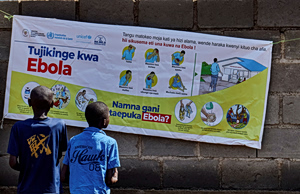
Concerns have emerged following an Ebola outbreak in eastern Democratic Republic of the Congo (DRC), where around 600 suspected cases and more than 130 deaths have been recorded. The World Health Organization has declared the outbreak a public health emergency of international concern.
Despite the situation, Dr. Oliver Johnson, a global health academic at King’s College London, said the likelihood of ordinary World Cup spectators contracting the virus is extremely low.
NEWSLETTER TABLE TALK
Never miss a story.
Subscribe now.
The most important news & topics every week in your inbox.
“If you are a casual visitor to the World Cup from around the world, I think there is a very low risk that you would be at risk of Ebola,” Johnson told Reuters.
Why the Risk Remains Low
Johnson noted that Ebola has historically struggled to spread in high-income countries due to established healthcare systems, effective contact tracing and rapid identification of cases.
He also emphasized that Ebola is not an airborne disease.
“You normally have to have direct contact with someone who is quite sick,” he said, adding that infections are typically detected quickly when cases emerge outside outbreak zones.
Health authorities in the United States are already working with FIFA and local officials to monitor the situation and manage any potential risks linked to international travel during the tournament.
Travel Measures Could Affect Operations
Although the health threat to fans is considered limited, the outbreak is already having practical consequences for teams and tournament preparations.
The Democratic Republic of the Congo national team has cancelled pre-tournament events planned in Kinshasa and moved preparations to Belgium.
Meanwhile, U.S. authorities have introduced entry restrictions for non-U.S. passport holders who have been present in the DRC, Uganda or South Sudan within the previous 21 days. The measures have reportedly forced Congo-based staff members to leave earlier than planned ahead of the tournament.
The Congolese squad is expected to arrive in the United States on June 10 or 11 and will be based in Houston.
Johnson warned that enhanced health measures could increase waiting times and operational costs.
“It will affect things like airport queues and screening, which will slow things down,” he said. “It is going to add a little extra stress and it’s going to cost money to the U.S. to try and organize.”
Potential for Further Disruption
U.S. authorities have already implemented enhanced screening for travelers arriving at Washington Dulles International Airport from affected countries.
Johnson said the greatest uncertainty would arise if the outbreak spreads beyond the currently affected areas.
“That could cause a knock-on effect of travel bans or extra screening, and it could happen quite last minute,” he said.
For supporters travelling to the tournament, the expert recommended simple preventive measures such as maintaining good hand hygiene and avoiding close contact with others when unwell. He also urged fans to avoid stigmatizing people from affected regions and to preserve the inclusive spirit of the World Cup.
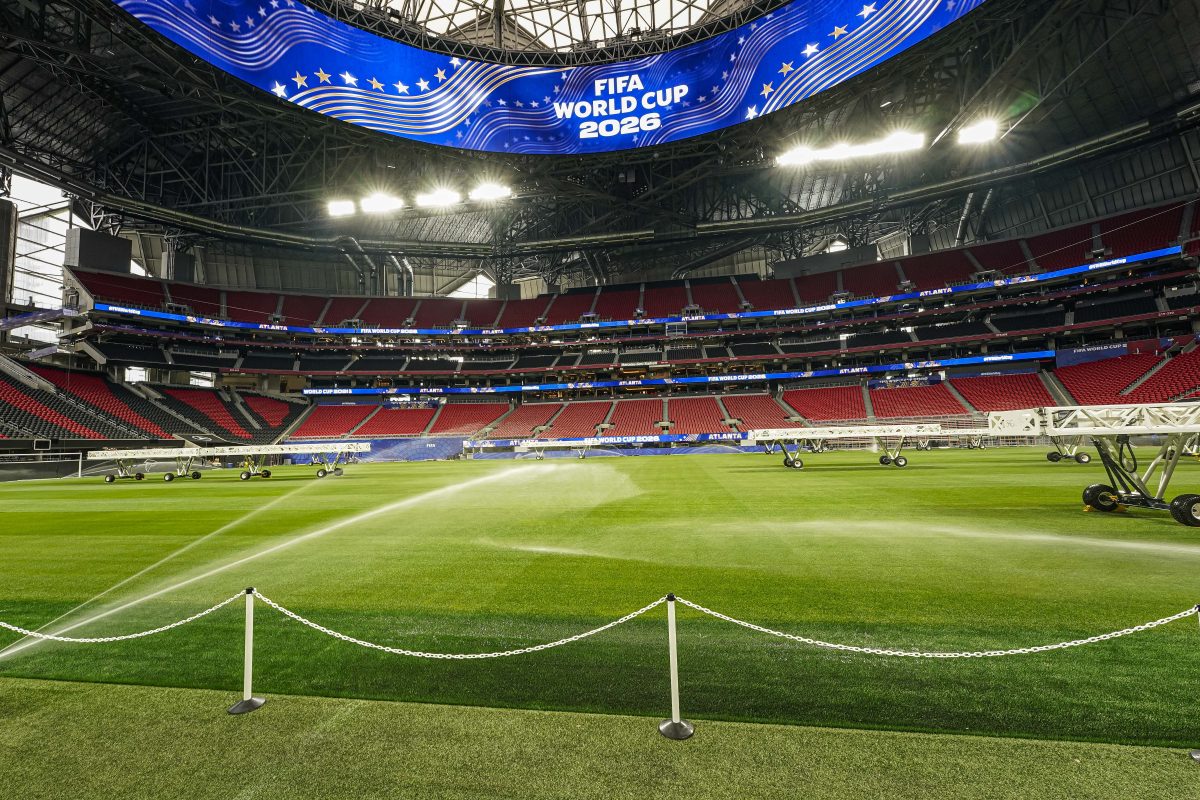
The Democratic Republic of the Congo is scheduled to begin its World Cup campaign against Portugal in Houston before facing Colombia in Guadalajara and Uzbekistan in Atlanta.