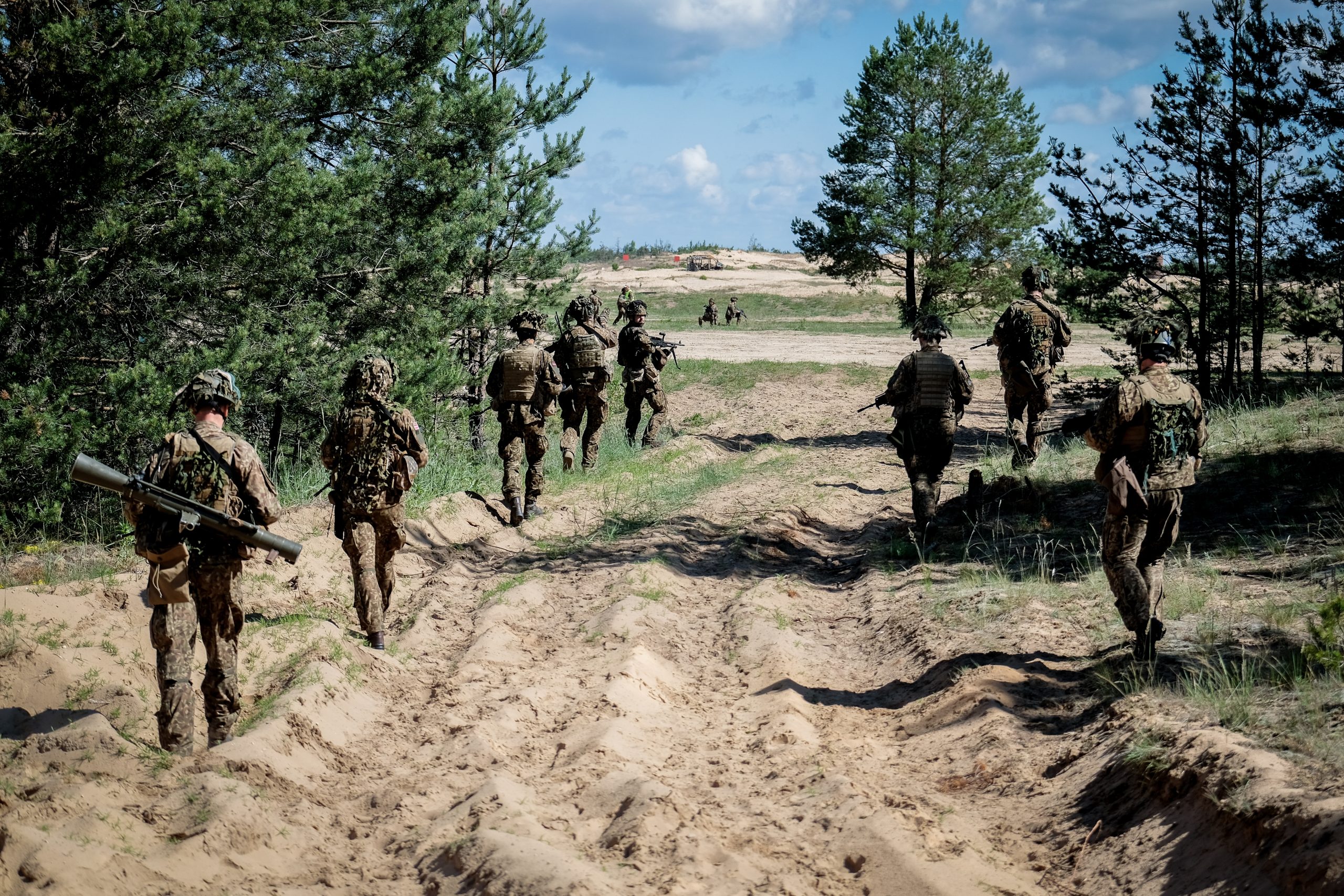
The European Commission is preparing to unveil a sweeping plan to accelerate the movement of troops and military equipment across the continent, introducing what officials are calling a “military Schengen” system. The proposal, based on a draft seen by Reuters, aims to remove the logistical bottlenecks that have long slowed Europe’s defense response.
Military mobility has become a top EU priority as concerns rise over Russia’s intentions and questions loom about the long-term reliability of U.S. security guarantees. Despite previous efforts to streamline cross-border military transport, national regulations remain fragmented and much of Europe’s transport infrastructure is not yet fit for rapid large-scale military movement. An audit earlier this year confirmed that the EU still lacks the ability to move personnel and equipment at short notice.
Fast-Track Border Rules: Three Days in Peacetime, Six Hours in Emergencies
Under the Commission’s plan EU countries would be required to approve cross-border military transit within three days during peacetime, and within just six hours during crises.
“Today, in order to move military equipment and troops from, let’s say west to east, unfortunately it takes months,” said Apostolos Tzitzikostas, European Commissioner for Sustainable Transport and Tourism as reported in Euronews. “You cannot defend a continent if you cannot move across it.”
NEWSLETTER TABLE TALK
Never miss a story.
Subscribe now.
The most important news & topics every week in your inbox.
The proposal would harmonize the currently divergent national rules and create a single EU-wide framework for authorizing military movement.
Priority Access to Infrastructure
A new emergency system would grant armed forces priority access to transport assets, infrastructure and critical services during emergencies. This includes roads, railways, ports, airports and tunnels—many of which still require upgrades to support the weight and scale of modern military hardware.
To coordinate the effort, each member state will appoint a national military mobility coordinator to a new EU-level transport group.
A Shared ‘Solidarity Pool’ of Transport Assets
The Commission also plans to create a “solidarity pool,” allowing member states to voluntarily contribute strategic transport capabilities—such as flat-bed trains, ferries or airlift aircraft—for use by partners. In addition, a “military mobility catalogue” would identify civilian dual-use assets that can support military logistics.
€100 Billion Needed for Priority Infrastructure
Around 500 projects have been flagged as critical to reinforcing four priority military corridors, though their exact locations remain confidential. The Commission estimates that €100 billion will be required to complete the necessary upgrades.
Yet funding remains a major gap. The EU has earmarked only €1.7 billion for military mobility in its current budget period, with the next long-term budget expected to allocate just under €18 billion—far short of the projected needs.
Still, Tzitzikostas stressed that additional funding sources exist, including cohesion funds and the SAFE defense loan scheme. Because infrastructure is dual-use, investments may also be counted toward NATO spending targets.
Addressing a Major Defense Skills Shortage
The mobility package is part of a broader push by the Commission to strengthen Europe’s defense capabilities before 2030. A parallel roadmap aims to address a severe shortage of skilled labor in the defense sector, which the Commission warns is threatening Europe’s security.
The EU wants to upskill or reskill 600,000 workers for defense jobs by the end of the decade, establishing a Skills Guarantee pilot to help workers—particularly from the restructuring automotive sector—transition into defense roles. An EU Defense Industry Talent Platform will also distribute vouchers for traineeships, with 300 planned for the pilot phase.
A standalone EU Defense Industry Skills Academy is expected after 2028.
A Race Against Time
With intelligence agencies warning that Russia could regain the capacity to strike another European nation before the decade ends, EU officials say the bloc must move faster than ever.
“The geopolitical situation now in the world is not easy so we have to learn to move faster,” Tzitzikostas said. “Solid logistic networks make the difference between winning and losing wars.”