 Μake us preferred on Google
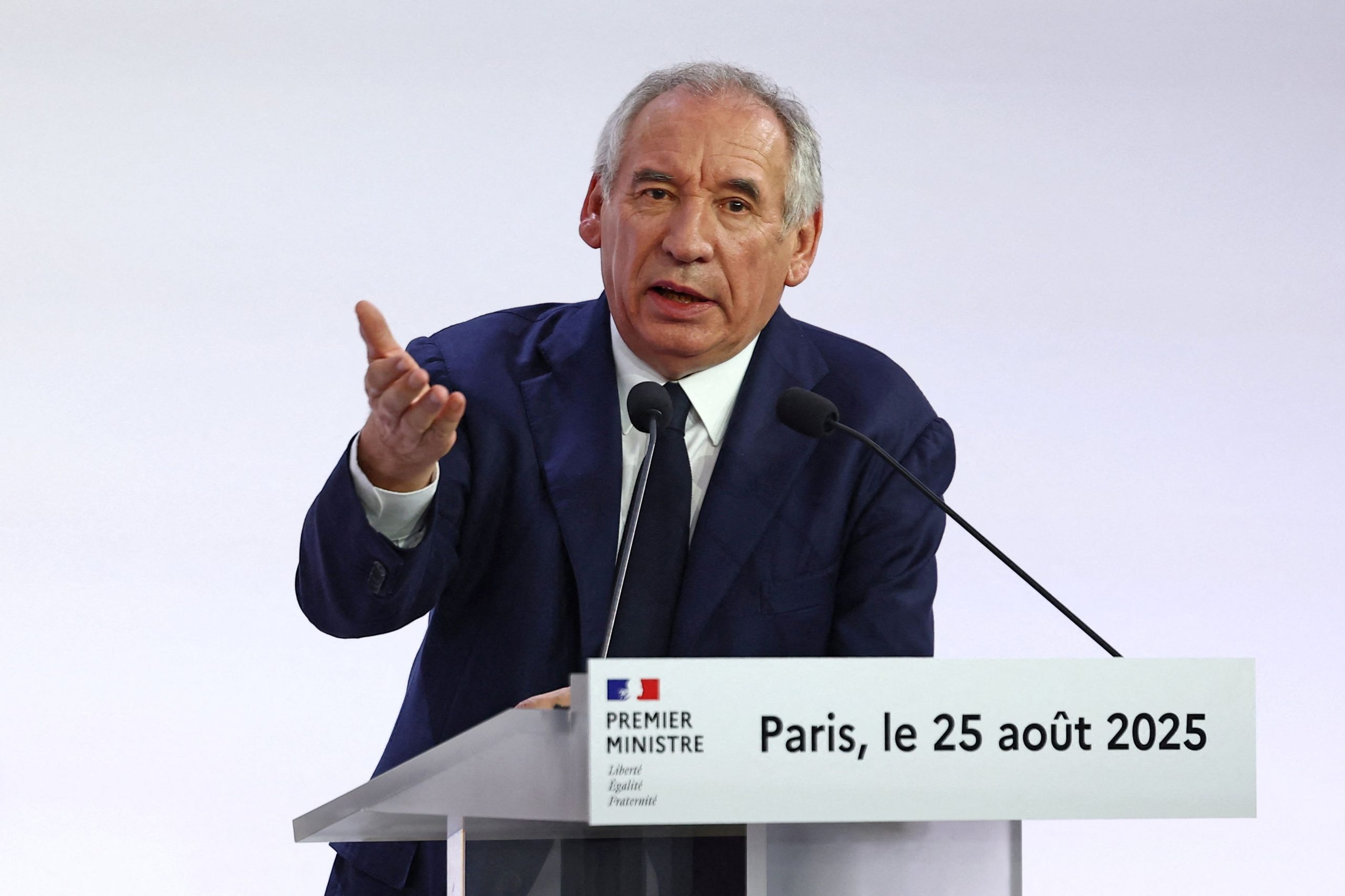
 The government of French Prime Minister François Bayrou is at risk of collapse after all three major opposition parties declared they would not back his September 8 confidence vote on sweeping budget cuts.
If Bayrou loses the vote in the Assemblée Nationale (National Assembly), his government will fall. President Emmanuel Macron could then either appoint a new prime minister, keep Bayrou in place at the head of a caretaker administration, or call snap elections.
Macron already lost his previous prime minister, Michel Barnier, to a no-confidence vote over the budget in late 2024, just months after fresh elections that July.
Risky bet on fiscal reform
Bayrou acknowledged that seeking a confidence vote in a fractured parliament was a gamble but argued it was necessary. “Yes, it is risky, but it is even riskier to do nothing,” he said, citing France’s high public debt as the country’s greatest danger.
His plan involves cutting €44 billion ($51.5 billion) from the budget to bring down France’s deficit, which reached 5.8% of GDP in 2024 — nearly double the EU’s official 3% ceiling. Proposed measures include abolishing two public holidays, freezing social spending, and maintaining tax brackets at 2025 levels without inflation adjustment. Bayrou suggested the holiday proposal could be modified.
Even if his government survives the confidence vote, it would only signal support for his fiscal approach. A separate vote on the actual 2026 budget will take place later this year.
Opposition unites, protests build
Right-wing leader Jordan Bardella declared Bayrou had effectively “announced the end of his government” by calling the vote. Marine Le Pen’s Rassemblement National (RN) and the Greens have both pledged to oppose him.
The Socialists are seen as decisive. Socialist leader Olivier Faure said on TF1 television that his party would not support Bayrou’s motion of confidence, raising the likelihood of defeat.
Meanwhile, opposition parties and trade unions have called for nationwide demonstrations on September 10, just two days after the scheduled vote. The protests, widely discussed on social media, have drawn comparisons to the 2018 “Yellow Vests” (Gilets Jaunes) movement, which began over fuel prices and escalated into a broader revolt against Macron’s economic reforms.
Background
France has faced repeated political instability since Macron lost his parliamentary majority in 2022. Successive prime ministers have struggled to secure backing for fiscal reforms, with public debt and deficit levels now at the center of political confrontation.