 Μake us preferred on Google
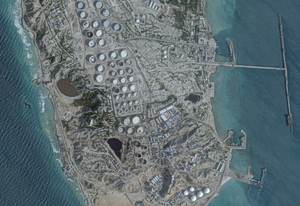
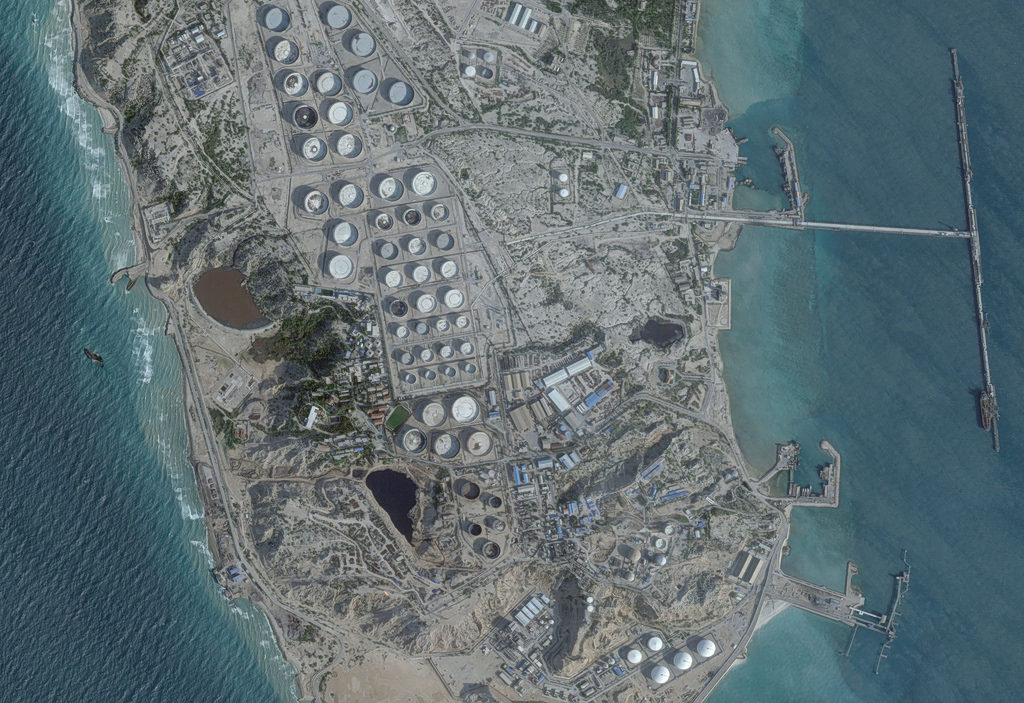
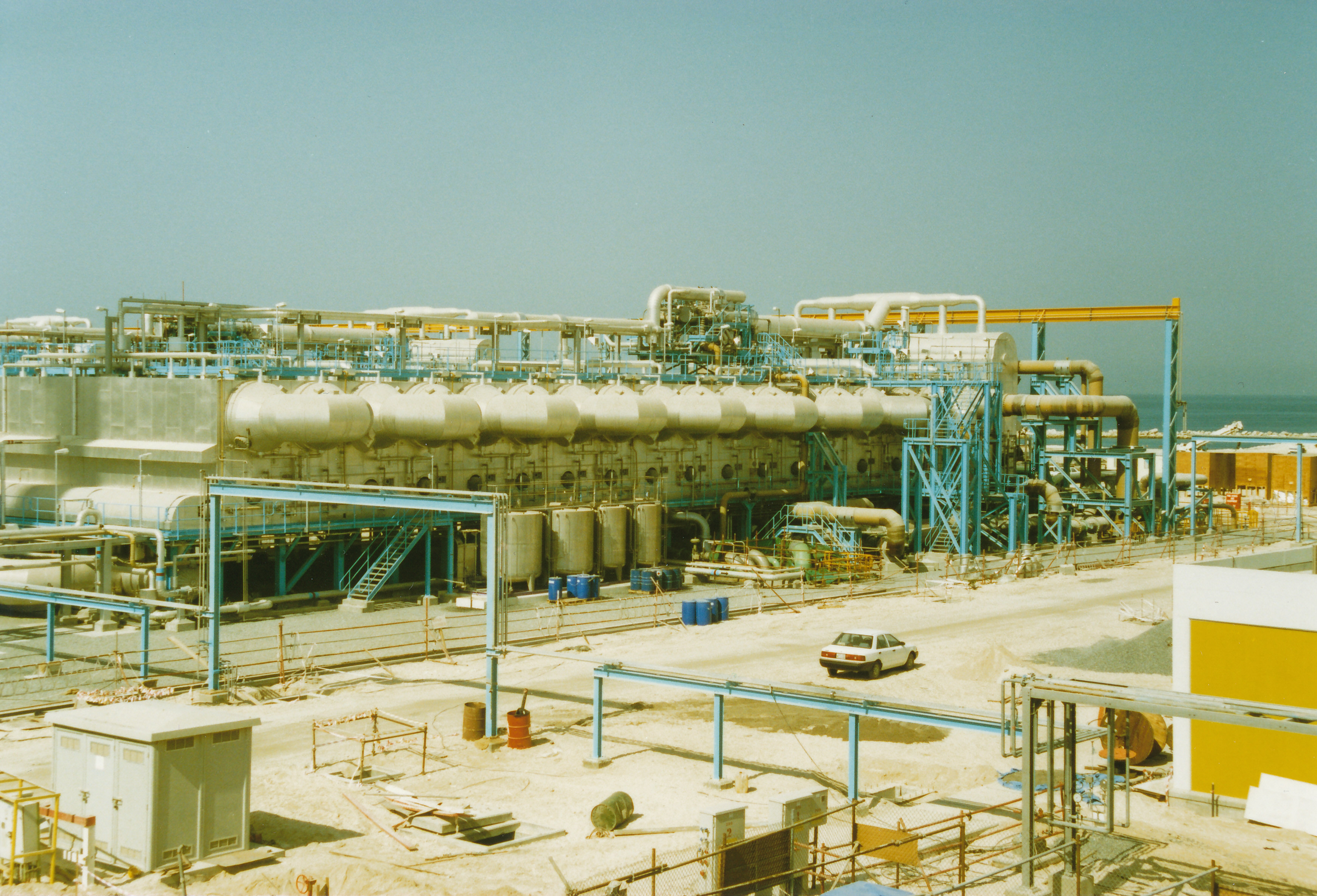
 According to a report by the semi-official Iranian agency ISNA, citing a Health Ministry official, a desalination plant on the Iranian island of Qeshm has been taken out of operation following an airstrike.
The head of Iran’s Ministry of Health Environmental and Occupational Health Center, Mohsen Farhandi, stated: “Drinking water on Qeshm island is supplied by desalination plants. One of the desalination units on the island was targeted and has been completely put out of operation, as it cannot be repaired in a short time.”
Iran had announced earlier in March that a desalination plant on Qeshm island — which is essentially a strategic point for controlling the Strait of Hormuz, located near the port of Bandar Abbas — had been targeted in airstrikes. At the time, on March 7, Iranian Foreign Minister Abbas Araghchi commented on the attack, calling it a “blatant and desperate criminal act.”
The Significance of the Incident
It is unclear whether the damage now reported by the Iranian official is the result of that earlier strike or whether a new attack has taken place. However, the fact that the issue is resurfacing carries particular significance given Trump’s recent threats.
In this context, a related report by Axios notes that Trump’s threat to strike Iran’s water supply would constitute the most dramatic violation of the rules of war designed to protect civilians during armed conflict.
Trump’s Threats and the Laws of War
According to Axios’s analysis, the war with Iran is the biggest test of how Trump’s contempt for what he calls the “politically correct” way of waging war translates into practice.
The Trump administration has already greenlit assassinations of political leaders, threatened “no mercy” for adversaries, and initially denied responsibility for a strike that caused hundreds of casualties at a girls’ elementary school.
Nevertheless, until now the United States has focused its strikes mainly on military installations and Iran’s nuclear program. However, the threat to strike civilian infrastructure shows how determined Trump is to increase pressure on Tehran, even if it means violating generally accepted principles of warfare.
The Trump Administration’s Longstanding Stance
Axios also notes that Trump, in 2016, strongly criticized the Geneva Conventions, arguing that “soldiers are afraid and can’t fight,” while also promising during his campaign to restore waterboarding and other “much worse methods.”
Pete Hegseth — then a Fox News host and now U.S. Secretary of Defense — had also pushed for pardons for soldiers convicted or prosecuted for war crimes, something Trump as president did in 2019.
What International Humanitarian Law Says
As experts note in Axios, international humanitarian law explicitly prohibits attacks on facilities essential for the survival of civilians, such as drinking water infrastructure. By contrast, power generation plants can under certain conditions be considered legitimate targets if they serve military purposes.
Reprisals against civilians — also known as collective punishment — are explicitly prohibited by the Geneva Conventions.
At a Pentagon briefing on March 13, Hegseth stated there would be “no mercy and no leniency for our enemies” — a phrase that the Pentagon’s own Law of War Manual classifies as a war crime.
Hegseth’s Actions
In the early months of the Trump presidency, Hegseth fired the senior legal counsels of the Army, Navy, and Air Force, saying he did not want them to serve as “obstacles to orders given by the commander-in-chief.”
He also attempted, unsuccessfully, to punish Senator Mark Kelly for posting a video calling on soldiers to “refuse illegal orders.”
Additionally, Hegseth dismantled the Pentagon’s civilian casualty mitigation program, which had involved approximately 200 personnel embedded in military commands to prevent civilian deaths.
All of this, as Axios notes, is hardly a surprise, given that the Trump administration’s stance on international law regarding war crimes became clear last year when it imposed sanctions on International Criminal Court officials for investigating cases involving American and Israeli citizens.