 Μake us preferred on Google
 Markets are growing optimistic that the war between the United States and Iran is heading toward an end, and they are signaling that confidence in a pointed way. Global stock indices surged and oil prices fell below $100 a barrel last Wednesday, as soon as the White House confirmed reports that a deal is imminent, based on a fourteen-point plan the American side submitted to Tehran, which appeared receptive despite certain reservations.
The so-called “one-page deal,” as American media described it, is a memorandum of understanding that includes, among other things, a ceasefire, the reopening of the Strait of Hormuz, the lifting of the American blockade, a gradual rollback of US economic sanctions, Iran’s reintegration into the international economic system, and talks on Tehran’s nuclear program, with oversight and restrictions for a period of 12 to 15 years.
Pressure
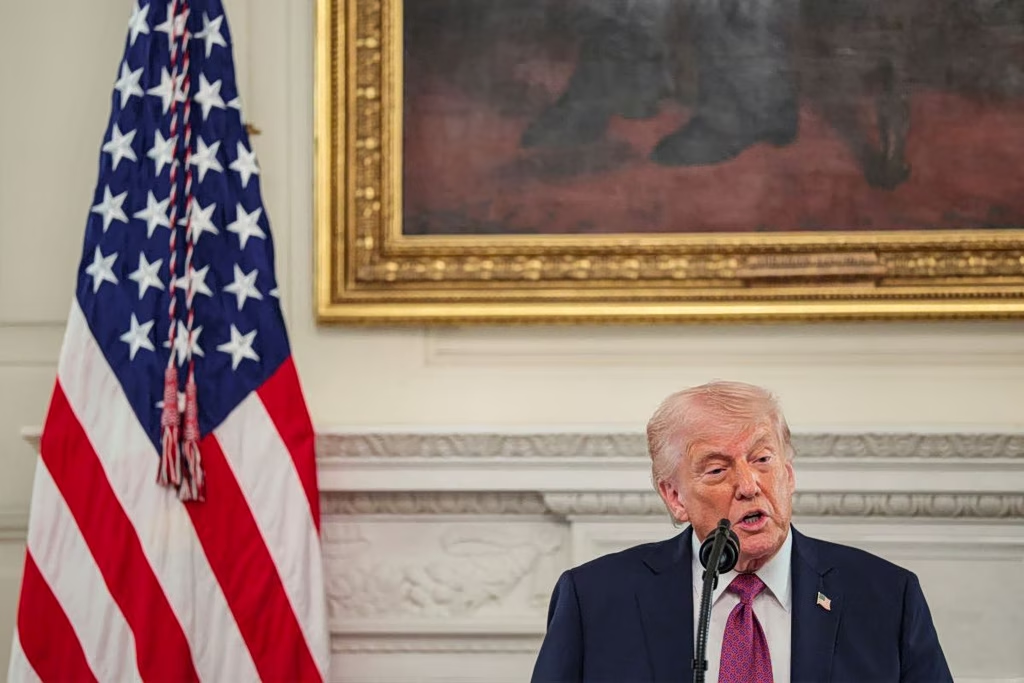
Donald Trump once again expressed confidence that the war is coming to an end, while not holding back from warning that “even if Iran does not agree now, it will be forced to do so quickly because it will face a devastating American strike.”
In general, there is a widespread global conviction that a prolonged military conflict in the broader Persian Gulf region is painful for everyone: it wounds economies, intensifies inflationary pressures, disrupts international trade, and curtails growth. It is no coincidence that China, too, is urging Iran to accept a peace process and allow oil flows to resume. At a recent meeting of the two countries’ foreign ministers in Beijing, there was clear pressure on Tehran to reopen the Strait of Hormuz.
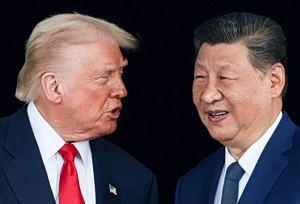
The timing of that meeting, on the eve of Trump’s visit to the Chinese capital, is anything but coincidental. On the contrary, it reflects the Chinese leadership’s eagerness to free itself from the burdens of the war and focus, without distraction, on the critical negotiations with the Americans over matters far more vital to Beijing: the technology race and, more broadly, the trade barriers erected through protectionist policies and tariff hikes.
In Athens, the government is deeply anxious about how things will unfold, well aware that a continuation of the war and a prolonged closure of the Strait of Hormuz would create insurmountable problems for the Greek economy, even though Greece appears fiscally and creditworthy in a stronger position than many other countries.
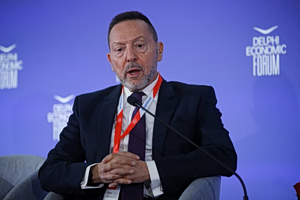
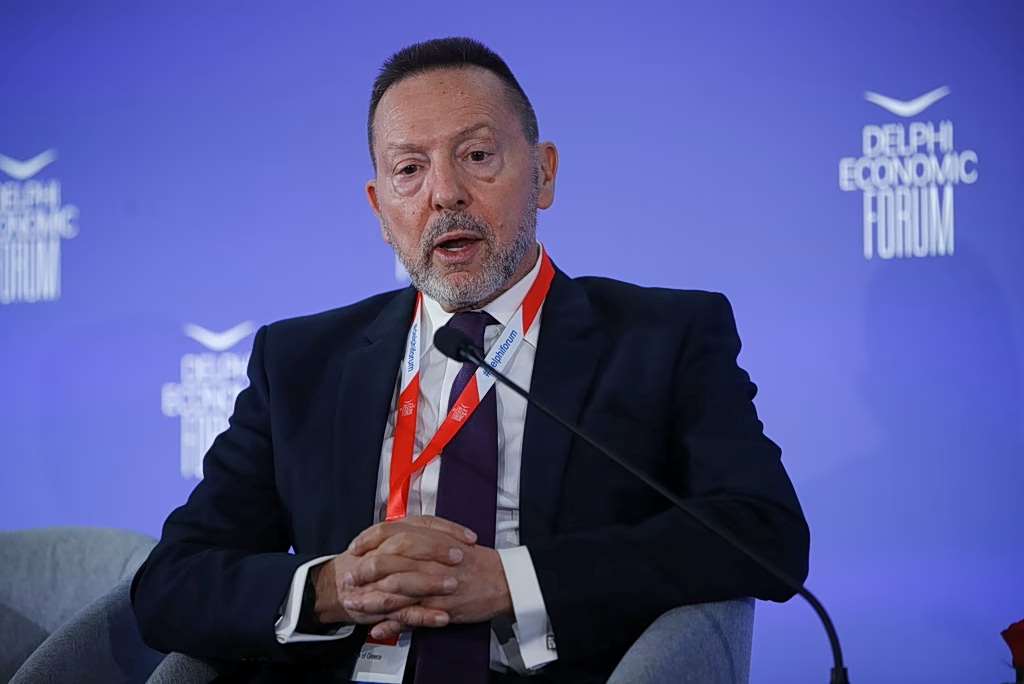
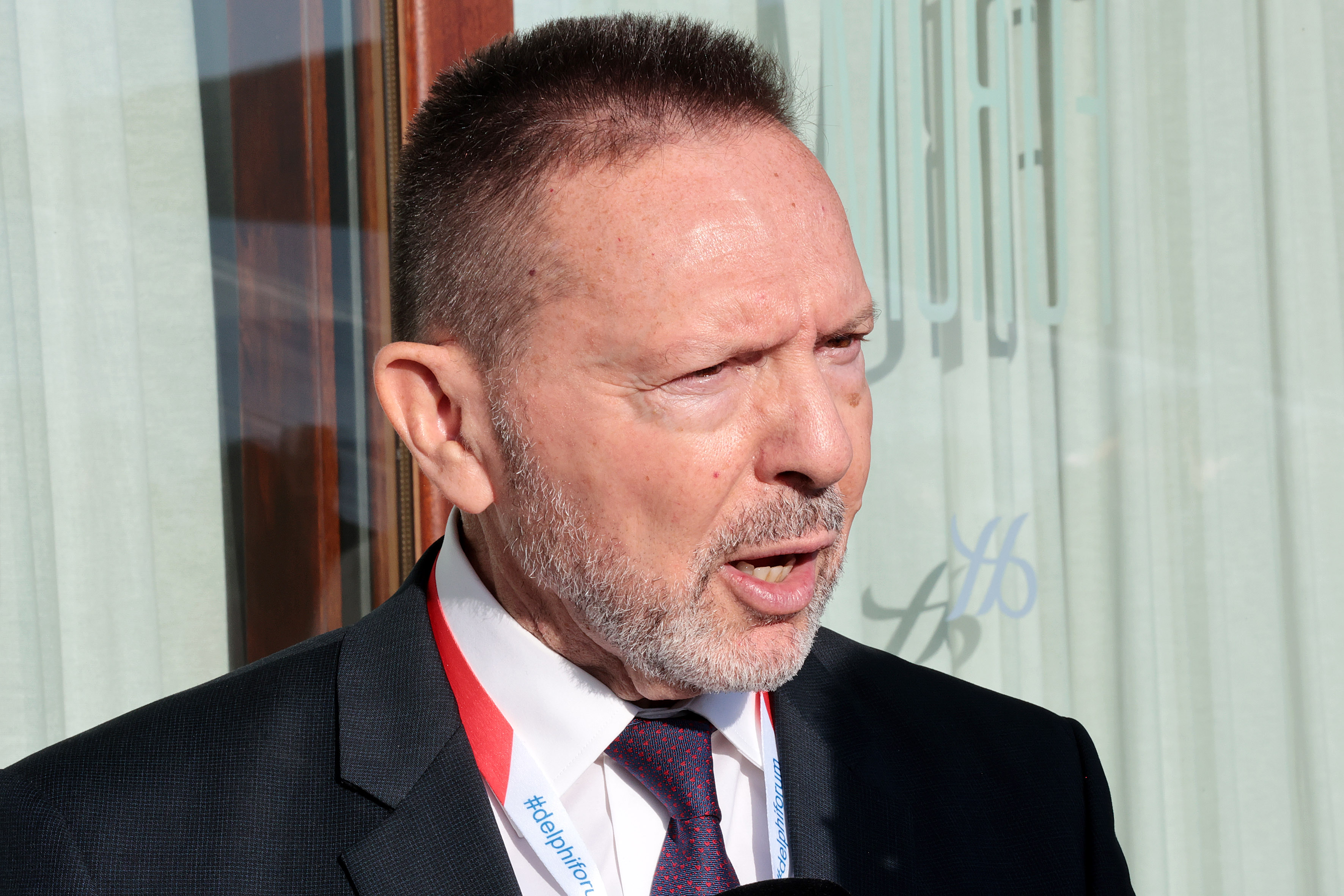
Bank of Greece Governor Yannis Stournaras does not conceal his concerns and voices them at every opportunity. In recent days he has noted that if peace is not reached quickly, serious fuel supply shortages will emerge across a wide range of activities. He has stressed that countries without refineries will run out of liquid fuels, leading to crippling disruptions in transportation and travel, particularly air travel.
Losses
Already, most airlines are cutting seats and routes, directly hurting tourism, which is beginning to register real losses as travelers scale back long-haul trips and gravitate toward the nearest possible destinations to minimize travel obstacles. “If the military conflict and the blockade of the Strait of Hormuz are prolonged, the consequences will be severe for everyone,” the Bank of Greece Governor states plainly, without equivocation.
He also makes no secret of the fact that critical lessons must be drawn from the ongoing wars, economic ones included. While he restrains himself given his institutional role, he does not hesitate to point out that the United States, from its tariff policies to its military adventures, is making real mistakes and adopting choices that ultimately do not serve the American progress they claim to advance. He notes pointedly that “the increase in tariffs has not reduced fiscal deficits, nor those of the balance of payments.”
Inflation
He goes on to argue that the US is burdened by a persistent and excessive expansion of its public debt, which he considers the greatest threat to the oversized American economy, because it erodes confidence in the dollar and can, through that erosion, raise the cost of refinancing American debt and make it self-reinforcing. In Stournaras’s view, this is the biggest threat to the US economy, and it cannot be addressed through tariffs but only through restraint and control of public spending, which wars obviously cause to balloon. He further underscores the risks stemming from mounting inflationary pressures.
Stournaras wants to believe that the military crisis in the Persian Gulf is winding down, and he makes no secret of hoping for the same outcome on the other major and largely forgotten front, Ukraine. On both fronts, he believes the two major powers have been put to the test.
A New Landscape
Both, he believes, have faced and continue to face serious difficulties in imposing the objectives they originally sought. It has been demonstrated, in short, that the powerful are not as powerful as they thought, or better yet, that others are no longer as weak and unable to push back as they once were. One could reasonably argue that Russia’s war in Ukraine and America’s war against Iran have confirmed what many had long argued: that the world has already changed, has been multipolar for some time now, and requires a new framework.
For instance, when asked, Stournaras does not conceal his view that a peace formula must be found on the Ukrainian front, alongside the construction of a new relationship of trust with Russia. He acknowledges that the current dual energy pressure is destabilizing European industry, compounding Europe’s competitiveness problem.
He comes close to embracing the argument made by many that, across the centuries, the European and Russian economies have historically been complementary. Anyone can imagine how much more manageable the current oil crisis would be if Russian energy supplies were flowing freely into the Old Continent.
The Chinese Model
Furthermore, the Bank of Greece Governor makes no secret of his view that Europe must evaluate China’s technological, productive, and competitive achievements and draw lessons from the coordination of a vast array of individual policies in pursuit of large and significant social goals, such as lifting 800 million people out of poverty. “A distinctive form of capitalism operates there, one that encourages internal competition among the many small and large enterprises,” Stournaras says, adding that “we have much to learn from the Chinese.”
A series of events and developments, from wars and tariffs to the productive and technological superiority of Asian economies, confirms that the world has indeed changed: geopolitical and other shifts have taken place, and repositioning and reassessment are needed to bring us closer to the new balances and whatever benefits flow from them.