 Μake us preferred on Google
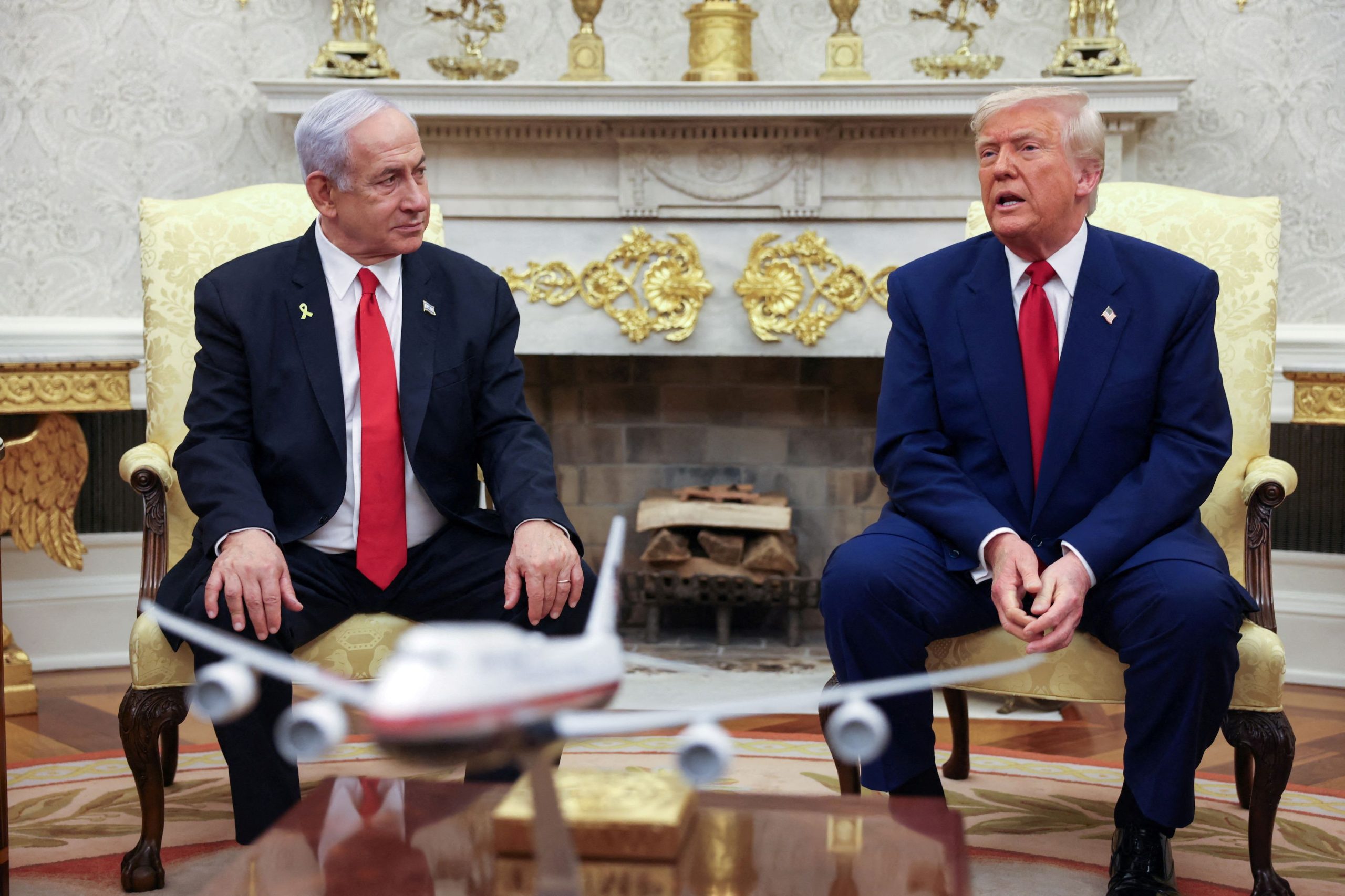
 Israel has officially accepted a ceasefire proposal put forward by U.S. President Donald Trump, declaring the successful completion of its military objectives against Iran. The decision, announced Tuesday by Prime Minister Benjamin Netanyahu’s office, brings a halt—at least for now—to a 12-day conflict that threatened to escalate into full-scale regional war.
Netanyahu: Iran’s Nuclear and Missile Threat “Eliminated”
In a statement released early Tuesday, Netanyahu’s office confirmed that Israel had agreed to the mutual ceasefire brokered by Washington, citing the neutralization of Iran’s nuclear and ballistic missile capabilities as the primary reason.
“Israel thanks President Trump and the United States for their support in defense and their participation in eliminating the Iranian nuclear threat,” the statement read.
“In light of the achievement of the operation’s goals, and in full coordination with President Trump, Israel agreed to the President’s proposal for a mutual ceasefire.”
Netanyahu is expected to address the public later today with further details.
Ceasefire Follows Deadly Iranian Missile Attacks
The ceasefire comes just hours after Iran launched multiple waves of missile strikes on Israeli territory, killing at least four people, according to Israel’s national ambulance service. The strikes were seen as a final retaliatory move following coordinated U.S.-Israeli attacks on Iran’s nuclear facilities over the weekend.
President Trump confirmed Tuesday that a ceasefire between the two arch-rivals was now in effect and urged both sides to respect the agreement.
“A ceasefire is now in place. I urge both Israel and Iran not to violate it,” Trump said in a statement.
Strategic Shift After High-Stakes Military Campaign
The latest flare-up between Israel and Iran was triggered by Israeli allegations that Tehran was on the verge of developing a nuclear weapon. In response, Israel—with direct support from the United States—launched strikes against Iranian nuclear infrastructure.
Though Iran has consistently denied any intention to develop nuclear weapons, Supreme Leader Ali Khamenei has warned that, if it chose to pursue them, “world leaders wouldn’t be able to stop us.”
The coordinated U.S.-Israeli military campaign marks one of the most significant escalations between the two nations in recent history, targeting not only nuclear facilities but also key components of Iran’s missile infrastructure.
Israel Vows to Enforce Ceasefire Terms
Despite agreeing to the truce, Netanyahu’s office made it clear that Israel would respond with force to any future violations. “Israel will respond forcefully to any breach of the ceasefire,” the statement concluded.
This warning reflects Israel’s longstanding policy of maintaining military deterrence through rapid and forceful retaliation.