 Μake us preferred on Google
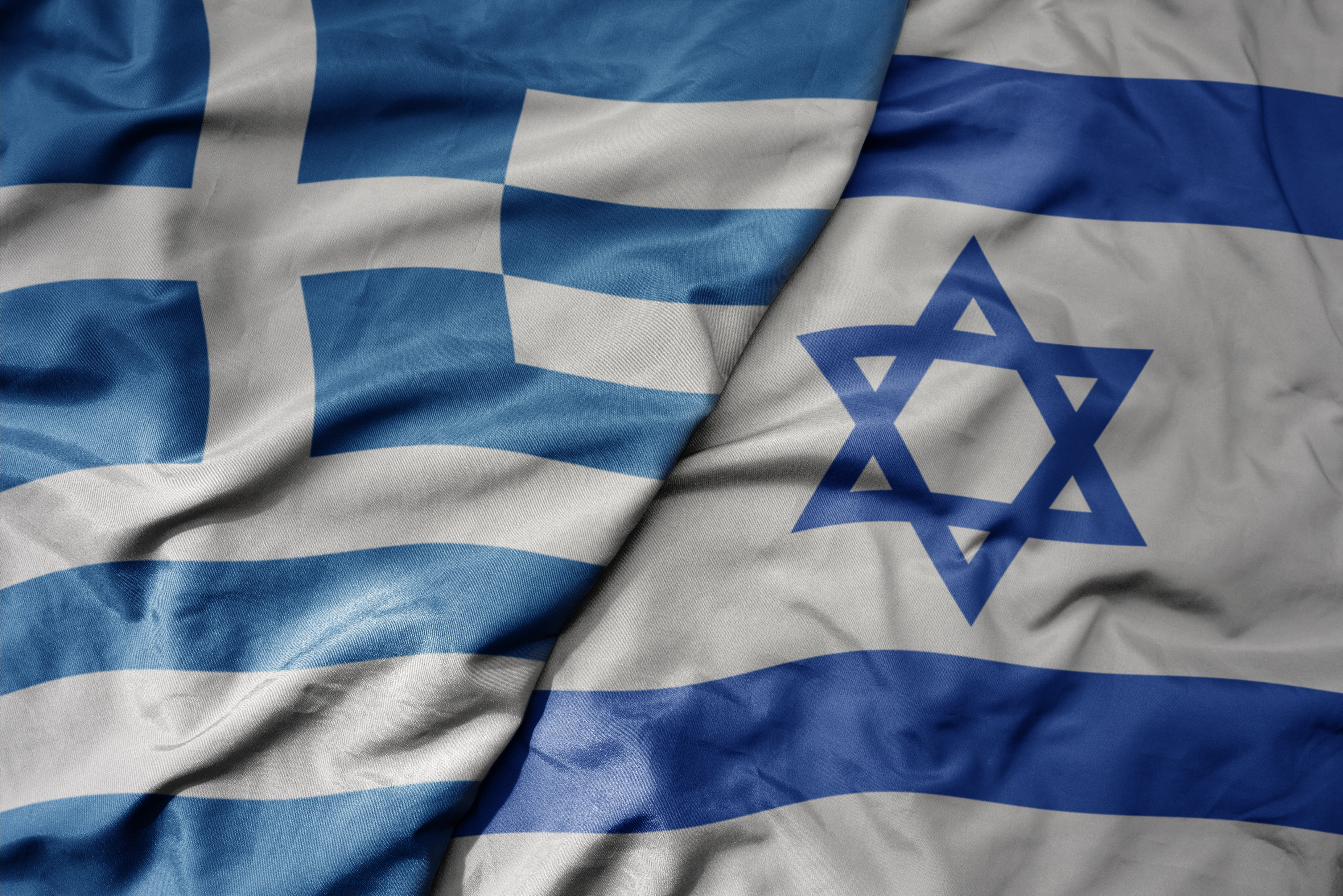
 Israel is envisioning a new strategic cooperation axis stretching from India and the United Arab Emirates all the way to Greece and Cyprus, aimed at building a new security front, as the war of words between Ankara and Tel Aviv keeps escalating. In public remarks, the director general of Israel’s Defense Ministry, Amir Baram, described the need for a broader alliance and a new US-Israel security memorandum built on stable interests and shared values, and placed Greece squarely within that emerging framework.
Discussing the shifting landscape shaped by the war in Iran and the possibility of a sharp acceleration in Tehran’s military buildup, Baram said there’s now a clear shared interest in forging a wider alliance running from India through the UAE to Greece and Cyprus.
He explained that even as the public clash between Erdogan and Netanyahu has hit a boiling point, a new regional architecture, with Athens and Nicosia in prominent roles, could potentially position Israel as a security anchor for the region, freeing the US to redirect resources toward Asia.
He argued that Israel’s technological edge, proven operational experience and defense innovation, combined with Gulf economic power, could support a new security and economic front, adding that expanding these strategic partnerships wouldn’t come at the expense of the Tel Aviv-Washington relationship.
Instead, he said, it would let Israel widen its room to maneuver and strengthen its position on the world stage, while also diversifying its strategic footing.
Channels with Ankara
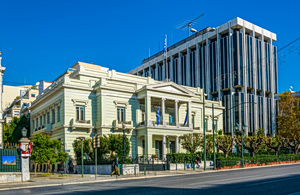
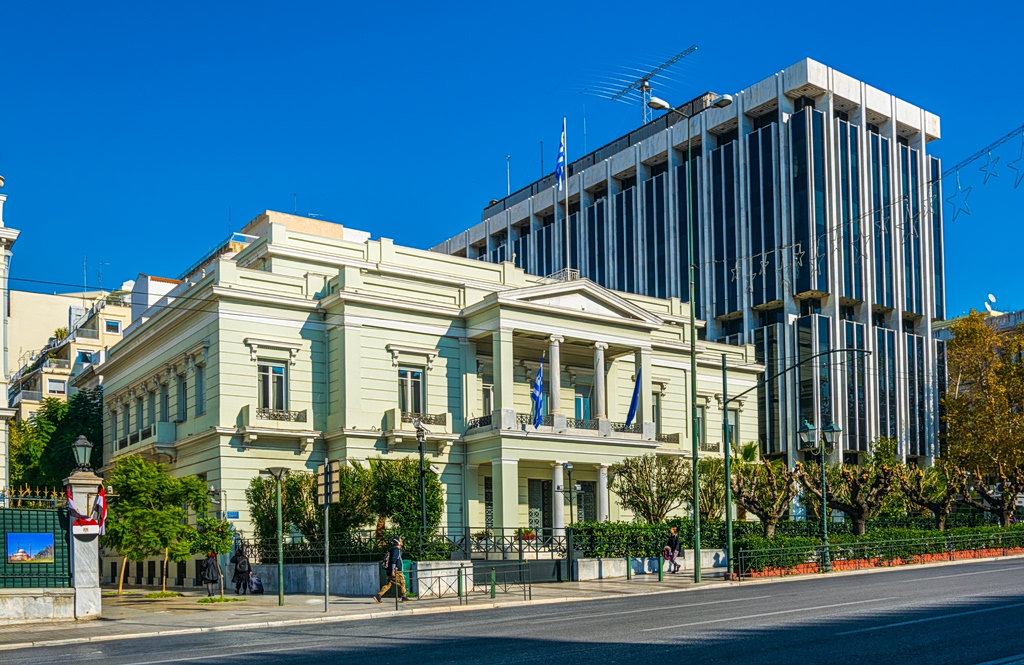
Meanwhile, Greece is working to keep functional communication channels open with Turkey, while also cultivating, on the basis of honesty, its strategic partnership with Israel, both bilaterally and through cooperative frameworks like the “3+1” format involving Greece, Cyprus, Israel and the US. Athens is closely watching the escalating tension between Tel Aviv and Ankara, while staying a credible partner to every active player in the wider region throughout the latest flare-up in the Middle East, and continuing to invest in steady contact with major regional powers such as the Gulf states, Egypt and Israel.
A sign of the elevated role Greece is seen taking on in the region, against the backdrop of developments in Iran, came recently from Israel’s ambassador in Athens, Noam Katz, who placed Greece within a cooperation axis that contributes to regional stability and benefits third countries.
On the rising tension between Turkey and Israel, former U.S. diplomat Jonathan Cohen offered a telling description as well, calling the rivalry a new structural constraint on American policymaking in the region. And while Benjamin Netanyahu sharply told Erdogan to calm down, declaring that the Ottoman Empire is over, in Congress, Republican Representative Mike Lawler raised fresh objections to a potential F-35 sale to Turkey. In a letter to President Trump, Lawler argued that Erdogan’s continued hostility toward America’s key partners makes such a sale contrary to U.S. national interests.