 Μake us preferred on Google
 Iranian Foreign Minister Abbas Araghchi launched a fresh broadside against the United States while visiting Russia, shortly after Tehran’s new peace proposal was made public, holding the Trump administration responsible for the failure of diplomatic talks in Pakistan.
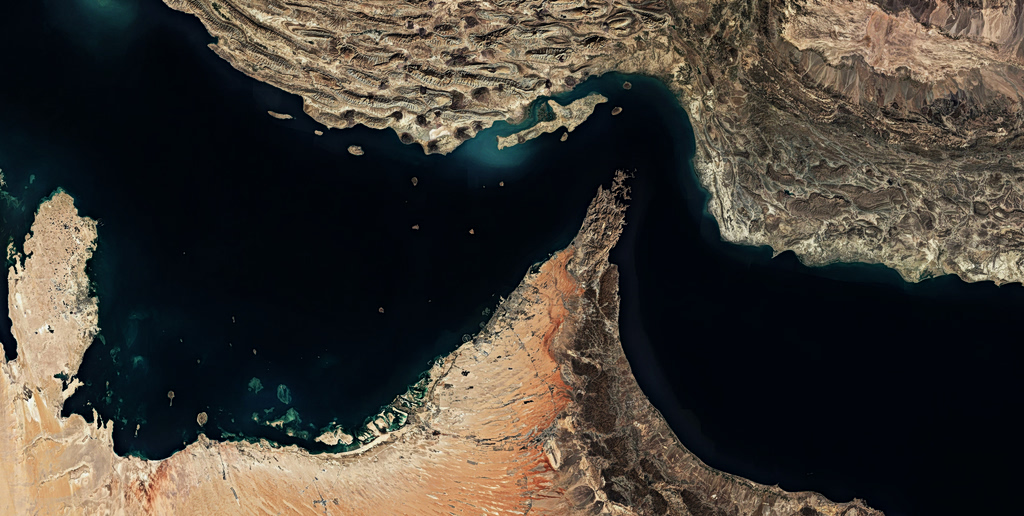
Speaking ahead of his meeting with Russian President Vladimir Putin, Araghchi made his message unambiguous: what torpedoed the negotiations was the unreasonable nature of the demands coming from Washington. He stressed that safe passage through the Strait of Hormuz is a matter of global importance, yet the US continues to make moves aimed at controlling the waterway, a statement that amounts to a direct accusation of American recklessness.
What Pakistan Says and What Trump Says
Meanwhile, Pakistani sources told international news agencies that efforts to bridge the gap between the US and Iran have not been abandoned, despite the collapse of direct diplomacy following Trump’s decision to cancel the planned trip of his envoys Steve Witkoff and Jared Kushner. Trump stated that if Iran wants to talk, it can reach out by phone, adding that the terms of any deal are clear: Iran cannot obtain a nuclear weapon — and if it can’t accept that, there’s no point in meeting.
However, signs that a resumption of in-person talks is increasingly unlikely were plainly visible in Islamabad, where streets reopened after a week of tight security measures and restrictions. The luxury hotel that had been emptied to accommodate the negotiations began accepting public reservations again.
Remote Negotiations
Pakistani officials said that negotiations are continuing remotely, but that no new in-person meeting is planned until the two sides are close enough to a deal to sign a memorandum of understanding. A Pakistani source with knowledge of the talks told Reuters that the draft agreement will continue to be negotiated at a distance until some convergence is achieved.
Following Araghchi’s initial visit to Islamabad over the weekend, a Pakistani official said the Iranian minister delivered a new proposal from Tehran along with a critique of the American offer, though no details were disclosed. The news site Axios reported that the Iranian proposal calls for ending the war and reopening the Strait of Hormuz as a first step, with nuclear talks to follow at a later stage.
Domestic Pressure on Trump
As his approval ratings slip, Trump faces mounting pressure at home to end a war that is considered deeply unpopular. Iran’s leadership, though militarily weakened, retains significant negotiating leverage due to its control over the Strait of Hormuz, a chokepoint through which roughly one-fifth of the world’s oil shipments typically pass.
Meanwhile in Lebanon
Hostilities have also intensified in Lebanon. According to the Lebanese Health Ministry, Israeli strikes killed 14 people and wounded 37 others in the country’s south on Sunday, the deadliest day since the US-brokered ceasefire was reached in mid-April.
Iran has said it will not participate in broader conflict negotiations unless the ceasefire in Lebanon holds. Israel invaded Lebanon in March as part of an operation targeting the Iranian-backed Hezbollah, which had been carrying out cross-border attacks in solidarity with Tehran.
Israel and Hezbollah are each blaming the other for violating the ceasefire, which was agreed in Washington between Israel and the Lebanese government and extended the previous week. Israeli forces have ordered hundreds of thousands of residents to evacuate their villages and have demolished homes it says were used by Hezbollah fighters. On Sunday, the military warned residents to evacuate seven additional towns beyond the security zone under Israeli control. Reuters journalists at an observation post on the northern Israeli border reported plumes of smoke rising over southern Lebanon, with explosions heard continuously across the area.