 Μake us preferred on Google
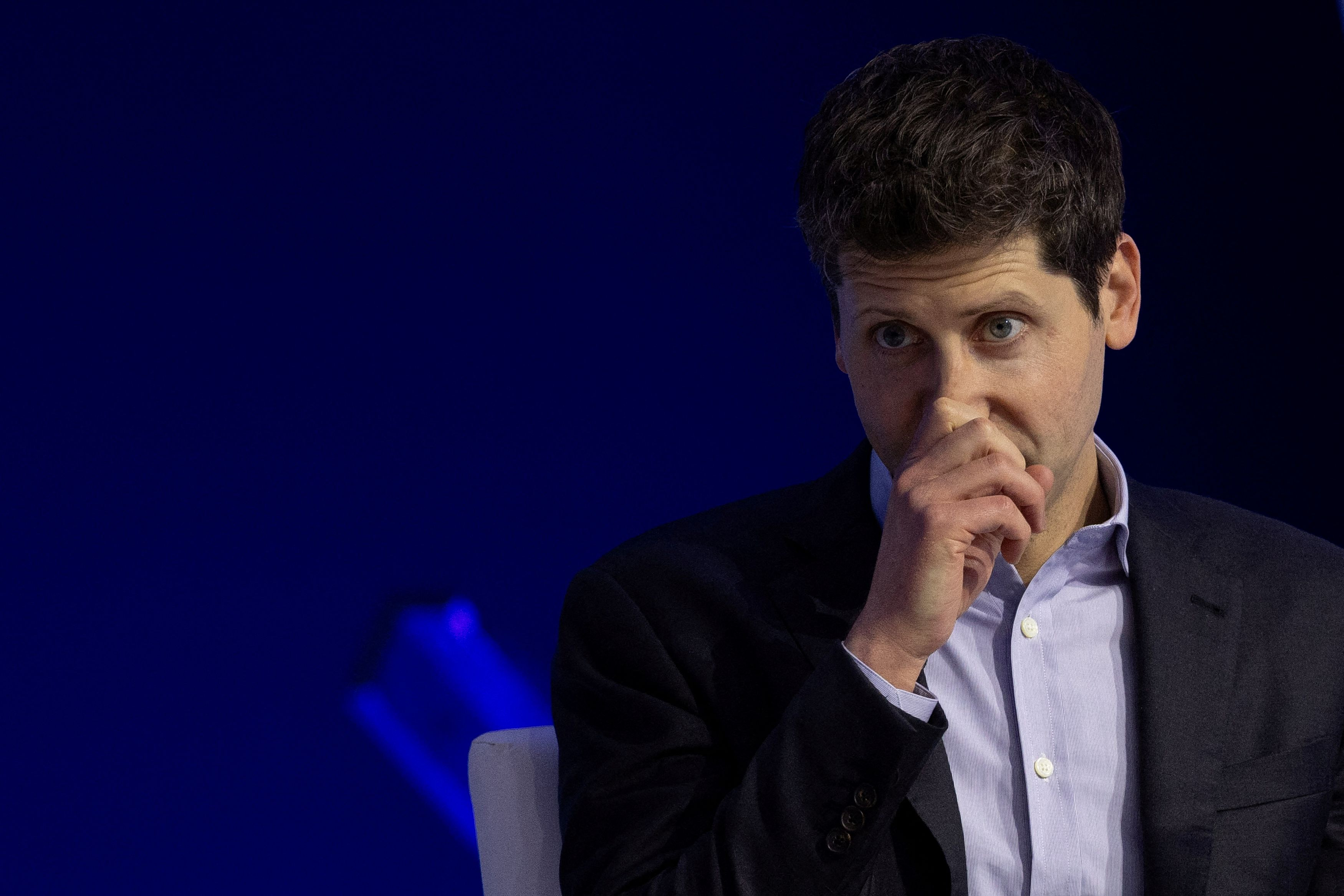
 OpenAI CEO Sam Altman is doing something no other tech titan has ever done: publishing a detailed blueprint for how the U.S. government should tax, regulate, and redistribute the wealth that will be generated by Artificial Intelligence.
The risks of inaction or delay are serious, Altman warns: widespread job losses, cyberattacks, social unrest, and machines that humans cannot control. The two most immediate threats, he said, are cyberattacks and biological attacks. “I suspect that within the next year, we will see significant cyber threats that we will need to contain,” he said.
According to Axios, Altman described OpenAI’s 13-page draft, titled “Industrial Policy for the Intelligence Age: Ideas for Keeping Humans First”, not as a prescription, but as a starting point.
“We want to put these things into the conversation. Some will be good. Some will be bad. But… we feel a sense of urgency. And we want to see the discussion about these issues really start to happen seriously,” he said.
Altman’s Most Radical Ideas
A Public Wealth Fund: OpenAI proposes giving every American citizen a direct share in AI-driven economic growth through a national fund. It would be partly financed by AI companies themselves and could invest in diversified, long-term assets. This is the most radical idea in the document.
Robot Taxes: The document leaves open the possibility of “taxes related to automated labor” and shifting the tax base from payrolls to capital gains and corporate income, since AI could “hollow out” the wage revenues that fund Social Security.
A Four-Day Workweek: OpenAI proposes incentivizing companies and unions to pilot 32-hour work weeks with full pay, converting the efficiency gains from AI into time for workers.
“The Right to AI”: The plan frames access to AI as something as fundamental as literacy, electricity, and the internet, and states that access must be affordable for workers, small businesses, schools, and libraries.
Containment Protocols for “Unruly” AI: OpenAI acknowledges scenarios in which dangerous AI systems “cannot easily be recalled” because they are autonomous and capable of self-replication. Their response: government-coordinated action.
Auto-Triggered Safety Nets: The draft envisions “triggers” tied to economic data. When indicators of AI-driven job displacement reach certain thresholds, increases in public support (unemployment benefits, wage insurance) would activate automatically.
When asked why people should trust him, Altman said: “I think almost everyone involved in our industry feels the gravity of what we’re doing… We all take this responsibility very seriously. We feel this every day. We also believe it is very important that no single person makes the decisions that are going to affect all of us.”
The document functions as both a corporate strategy and a policy paper. OpenAI is trying to position itself as a responsible actor, the company that warned you and proposed solutions. It is also a move to shape the regulatory framework before the framework shapes them.