
 Μake us preferred on Google
 Spain has received around 900,000 applications from undocumented migrants seeking legal status through a government regularization program, more than double the 500,000 requests initially expected, the Migration Ministry said on Monday.
The scheme, which aims partly to help migrants enter the formal labor market, has attracted strong demand in a country that has maintained a more open approach to immigration compared with other European nations.
Non-profit refugee aid organization CEAR expects the number of applications to exceed one million before the program closes in two weeks.
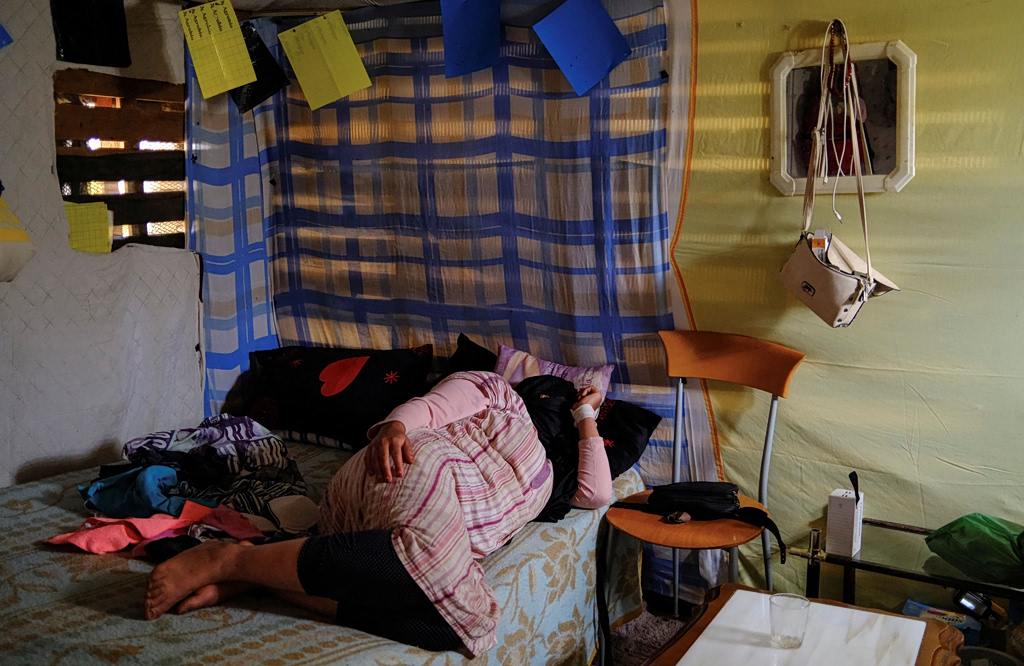
An undocumented migrant from Morocco rests at her bed at her shack in a shanty town after returning from her work inside a plastic-covered greenhouse in Almeria province, home to Europe’s largest concentration of agricultural greenhouses, in Nijar, Spain, May 5, 2026. Undocumented migrants there live without reliable electricity and with limited access to water. REUTERS/Nacho Doce
Hundreds of thousands granted work permits
Spain’s Migration Ministry said it has granted 360,000 temporary work permits since April, accounting for around 40% of all applications received.
Applicants are allowed to begin working once their requests are admitted for processing.
Migration Secretary of State Pilar Cancela told Reuters that the government has the capacity to process up to one million applications between April and June, while noting that the number of requests will exceed the number of permits granted.
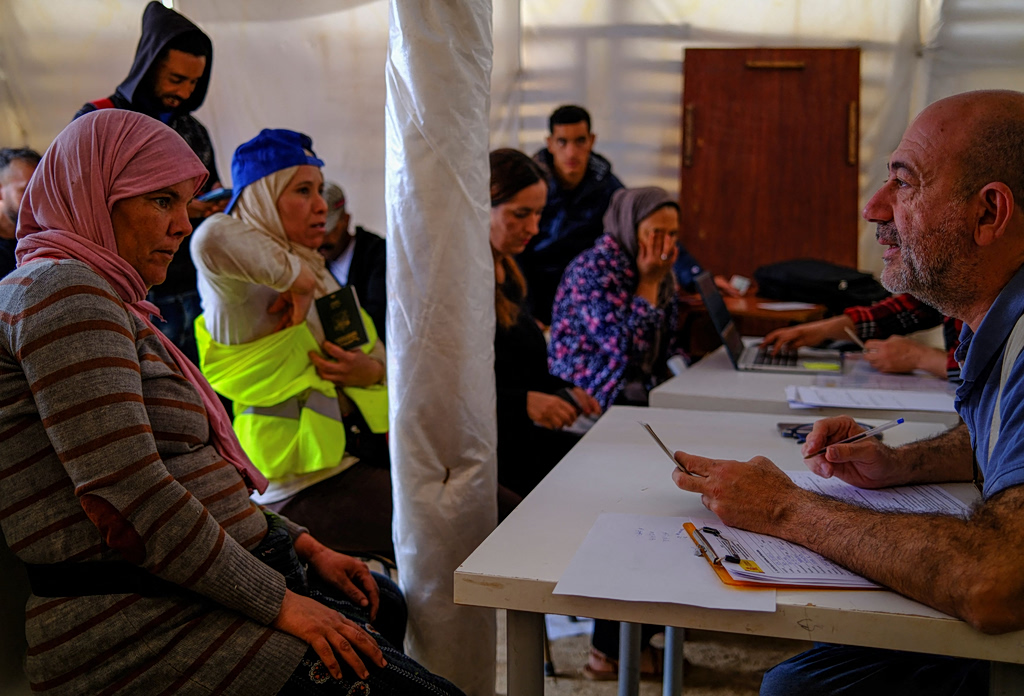
Daniel Izuzquiza, director of the Jesuit Migrant Service, helps undocumented migrants from Morocco complete paperwork to obtain a vulnerability certificate to regularise migration status inside a shack in Nijar, Almeria province, Spain, April 24, 2026. Izuzquiza says, “Without regularisation we cannot move forward, but challenges around language, labour law compliance, housing and urban planning remain.” REUTERS/Nacho Doce
Push to address long immigration delays
Spain’s economic growth in recent years has been partly supported by migrants, who have helped fill labor shortages in sectors including hospitality and elderly care while contributing to social security payments.
However, the country’s immigration system has faced long delays, with thousands of migrants from countries including Colombia and Senegal waiting years for asylum decisions. More than 90% of asylum requests are rejected, according to the information provided.

Undocumented migrants queue for help completing paperwork to obtain a vulnerability certificate to regularise their migration status outside the Cepaim Foundation, a non-governmental organisation supporting migrants, refugees and asylum seekers, in Nijar, province of Almeria Spain, April 24, 2026. Cepaim foundation says “With an almost unique level of social consensus in recent years, it is a major step in terms of social justice, but it must continue to be accompanied by specific public policies to keep advancing rights.”. REUTERS/Nacho Doce
Think tank Funcas estimates that around 840,000 undocumented migrants have been waiting for years to obtain other forms of residency while living in Spain and working outside the formal economy.
CEAR said the program was significant but argued that longer-term measures were needed to make access to work and residence permits easier.
“This is an extraordinary program, but there should be a structural measure to facilitate access to work and residence permits,” CEAR Director Monica Lopez said, warning against leaving people living on the margins of society.