 Μake us preferred on Google
 The United States and Iran are set to hold high-stakes indirect nuclear talks in Geneva on Tuesday, as military tensions escalate and the threat of wider conflict looms over the negotiations.
U.S. President Donald Trump said he would be involved “indirectly” in the discussions and suggested Tehran was motivated to reach a deal. “I don’t think they want the consequences of not making a deal,” Trump told reporters aboard Air Force One, referencing last year’s U.S. B-2 bomber strikes on Iranian nuclear facilities.
As reported in Reuters, the talks, mediated by Oman, will include U.S. envoys Steve Witkoff and Jared Kushner, alongside Iranian Foreign Minister Abbas Araqchi, according to a source briefed on the negotiations. Tehran and Washington resumed dialogue on February 6 over their decades-long nuclear dispute.
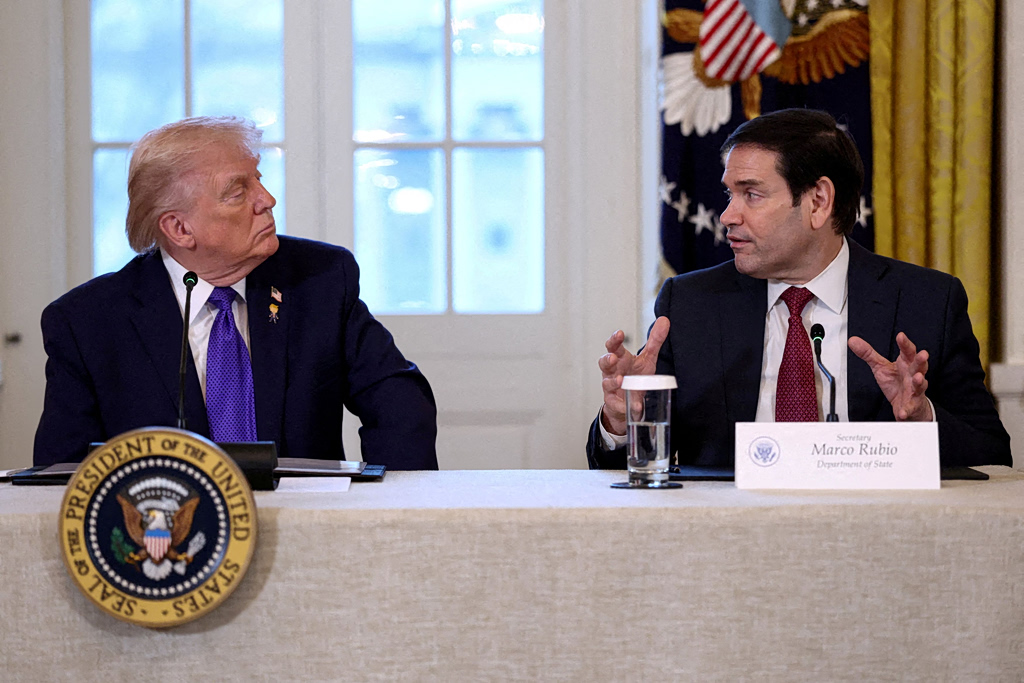
FILE PHOTO: U.S. President Donald Trump and Secretary of State Marco Rubio attend a meeting with oil industry executives, at the White House in Washington, D.C., U.S., January 9, 2026. REUTERS/Kevin Lamarque/File Photo
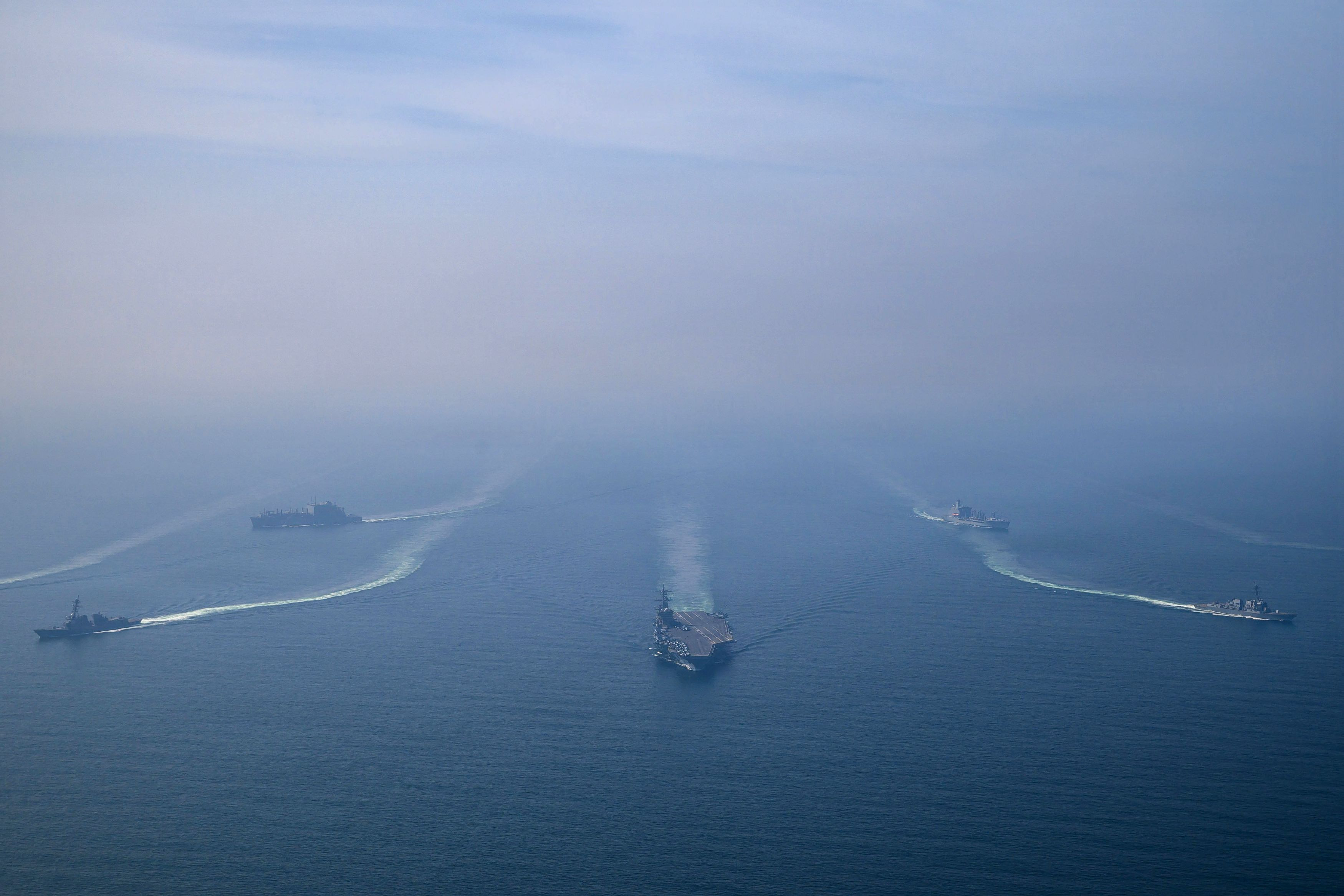
The negotiations take place against a backdrop of heightened military activity. The U.S. has deployed a second aircraft carrier to the Middle East, placing what Trump described as a “massive naval armada” in the region. Two U.S. officials told Reuters the military is preparing for the possibility of sustained operations if diplomacy fails.
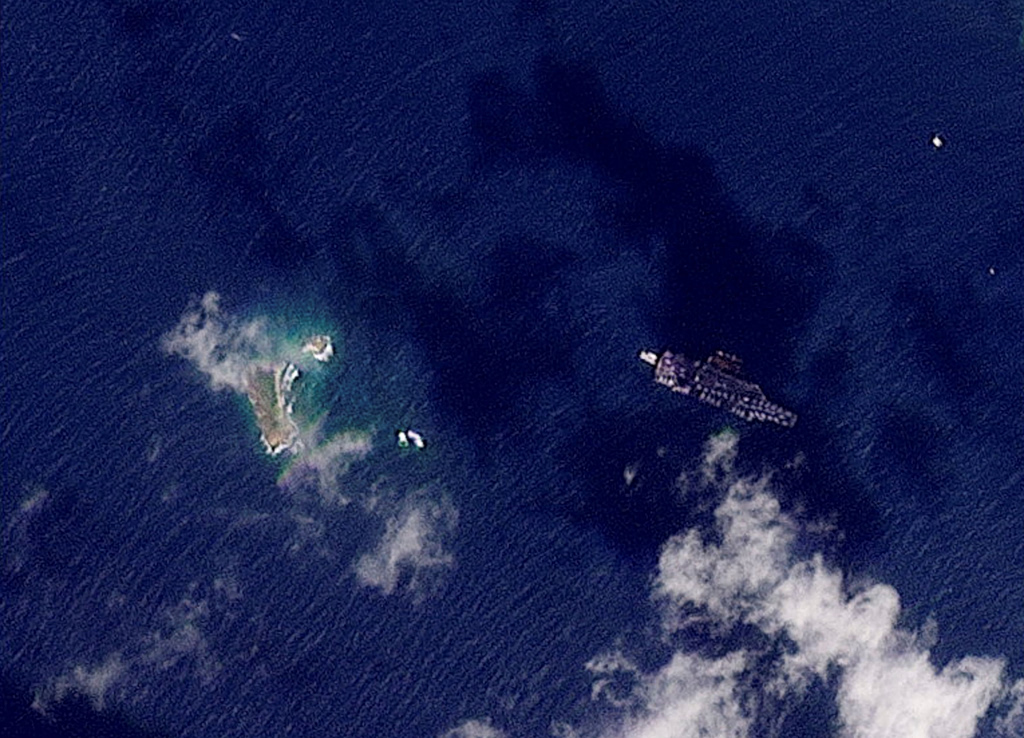
A satellite image shows the USS Gerald R. Ford off the coast of St Thomas Island, U.S. Virgin Islands, January 25, 2026. 2026 PLANET LABS PBC/Handout via REUTERS THIS IMAGE HAS BEEN SUPPLIED BY A THIRD PARTY. MANDATORY CREDIT.
Iran has also flexed its military muscle, launching drills in the Strait of Hormuz — a critical global oil transit route. Tehran has repeatedly threatened to close the waterway in retaliation for any attack, a move that could disrupt a fifth of global oil flows.
Tensions remain high following Israeli and U.S. strikes in June that targeted Iranian nuclear facilities at Natanz, Fordow and Isfahan. Iran says it has since halted uranium enrichment activity, though it has enriched uranium far beyond levels required for civilian power generation.
The head of the International Atomic Energy Agency (IAEA), Rafael Grossi, met Araqchi in Geneva on Monday to discuss cooperation and technical aspects of the upcoming talks. The IAEA has been pressing Iran to clarify the status of its stockpile of 440 kg of highly enriched uranium and to resume full inspections at bombed sites.
Washington and its close ally Israel believe Iran seeks to build a nuclear weapon, a charge Tehran denies, insisting its programme is purely peaceful. The U.S. has also sought to broaden the talks to include Iran’s missile programme, while Tehran maintains it will only negotiate limits on its nuclear activities in exchange for sanctions relief and will not give up enrichment entirely.
U.S. Secretary of State Marco Rubio acknowledged the difficulty of securing an agreement, calling it “hard” to reach a deal with Tehran but saying the United States was willing to try.