I knew hantavirus had reached a tipping point when my own 12-year-old called out to us after bedtime to ask: “What is hantavirus, and do we have to worry about it?”
The virus that started with an outbreak on a cruise ship has infiltrated the public consciousness, and it feels like déjà vu: resurrecting painful memories of the Covid-19 pandemic that shut down the world.
There are lots of questions, misinformation and, understandably, fears. But what do we actually know about the hantavirus that has infected at least 11 people, killed three of them and led to the quarantining of dozens more across the globe? How infectious—or not—is it, and how does it spread?
U.S. health officials say Andes hantavirus usually spreads through prolonged contact with infected people, but scientists say one key study has shown that it can be spread through the air and by so-called superspreaders. Some researchers say current guidelines underplay the risks of transmission, though most still expect the outbreak to be contained.
What is hantavirus?
First, hantavirus is a family of viruses that typically spreads to humans from rodent droppings or urine such as when someone inhales particles near infected rodents. The Andes species of hantavirus—responsible for the cruise-ship outbreak—is the only type that spreads between people.
The main danger with hantavirus is that it often develops into a severe lung infection that kills about 38% of infected people. This is a very high fatality rate—much higher than deaths caused by the virus behind Covid-19—but the virus is less contagious. Only about 100 to 200 cases of Andes hantavirus crop up in humans a year, largely in Argentina and Chile.
Gustavo Palacios, a professor of microbiology at the Icahn School of Medicine Mount Sinai in New York City, says most human-to-human transmission involves close contact among family members or healthcare providers treating infected patients.
One major exception is a transmission chain that he and co-researchers documented in a 2020 study in the New England Journal of Medicine, detailing an outbreak in Argentina between 2018 and 2019. It is the largest documented outbreak of Andes hantavirus.
In that outbreak, one person infected with the virus from a rodent spread it to 33 other people, resulting in 11 deaths. The majority of spread centered on three symp
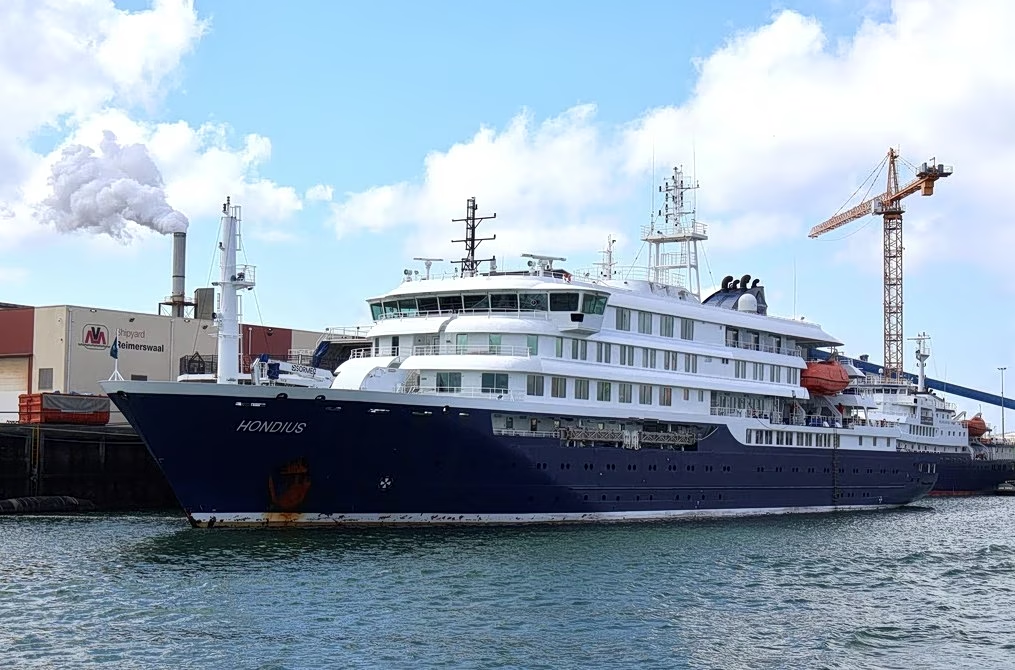
People on board the cruise ship MV Hondius, which was affected by a hantavirus outbreak, as it arrives for disinfection at the Port of Rotterdam, Netherlands, May 18, 2026. REUTERS/Yves Herman
tomatic individuals who infected others through seemingly casual contact at a crowded indoor birthday party and at a wake. At least one infection occurred from a brief, passing interaction at the party.
The Argentine researchers found that the so-called “superspreaders” had higher viral loads, were sicker and had signs of liver damage.
Transmission through the air
They calculated that the virus’s infectiousness—an estimate of how many people one contagious person will infect on average—is 2.1. That is lower than for measles and some strains of Covid-19 but higher than for influenza. It’s not insignificant.
Palacios noted that when isolation and social-distancing measures were implemented, the number went down quickly. “In conditions when people are not aware, this virus might be transmissible, especially at the beginning of an outbreak,” he says.
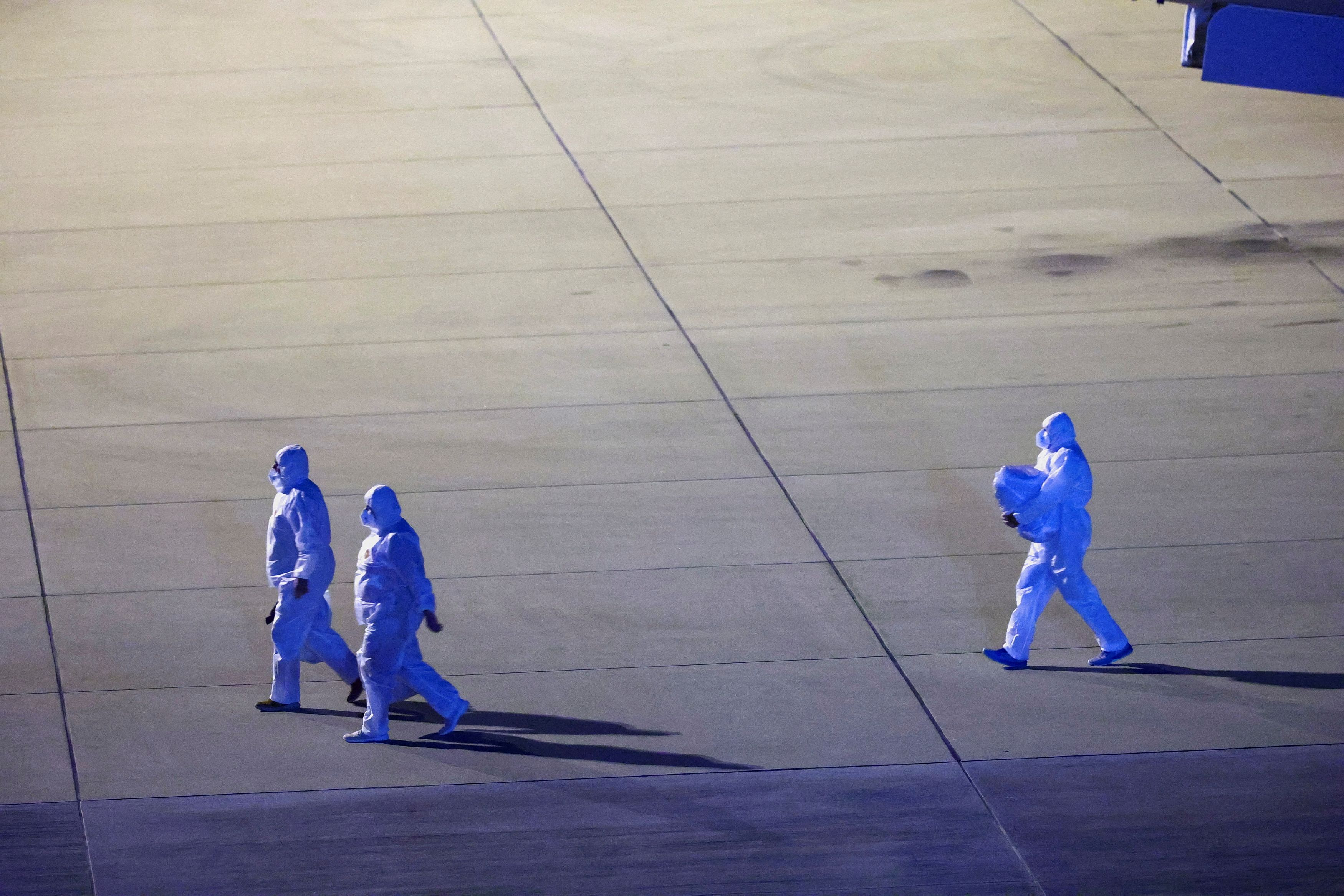
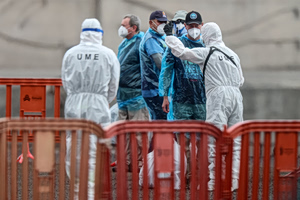
FILE PHOTO: Personnel in hazmat suits walk near a plane carrying passengers evacuated from the cruise ship MV Hondius, which was affected by a hantavirus outbreak, after it landed at the Eindhoven Air Base in Eindhoven, Netherlands May 12, 2026. REUTERS/Piroschka van de Wouw/File Photo
Dr. Josh Schiffer, an infectious-disease modeler and physician at the Fred Hutchinson Cancer Research Center in Seattle, says the study makes clear that Andes hantavirus can be transmitted through the air. It remains unknown whether the transmission is through droplets—typically emitted when someone sneezes or coughs—or aerosols, which are smaller and can be emitted and inhaled from talking or even breathing and linger in the air for hours. Aerosols contributed to the quick spread of Covid-19.
But Schiffer says several characteristics of the Andes hantavirus make it easier to contain than the virus that causes Covid-19. Most transmission seems to occur after a person develops symptoms; the long incubation period allows for plenty of time to do contact tracing; and superspreader events seem to contribute to most infections.
“That’s what makes it very different from SARS-CoV-2 and really most respiratory viruses,” says Schiffer.
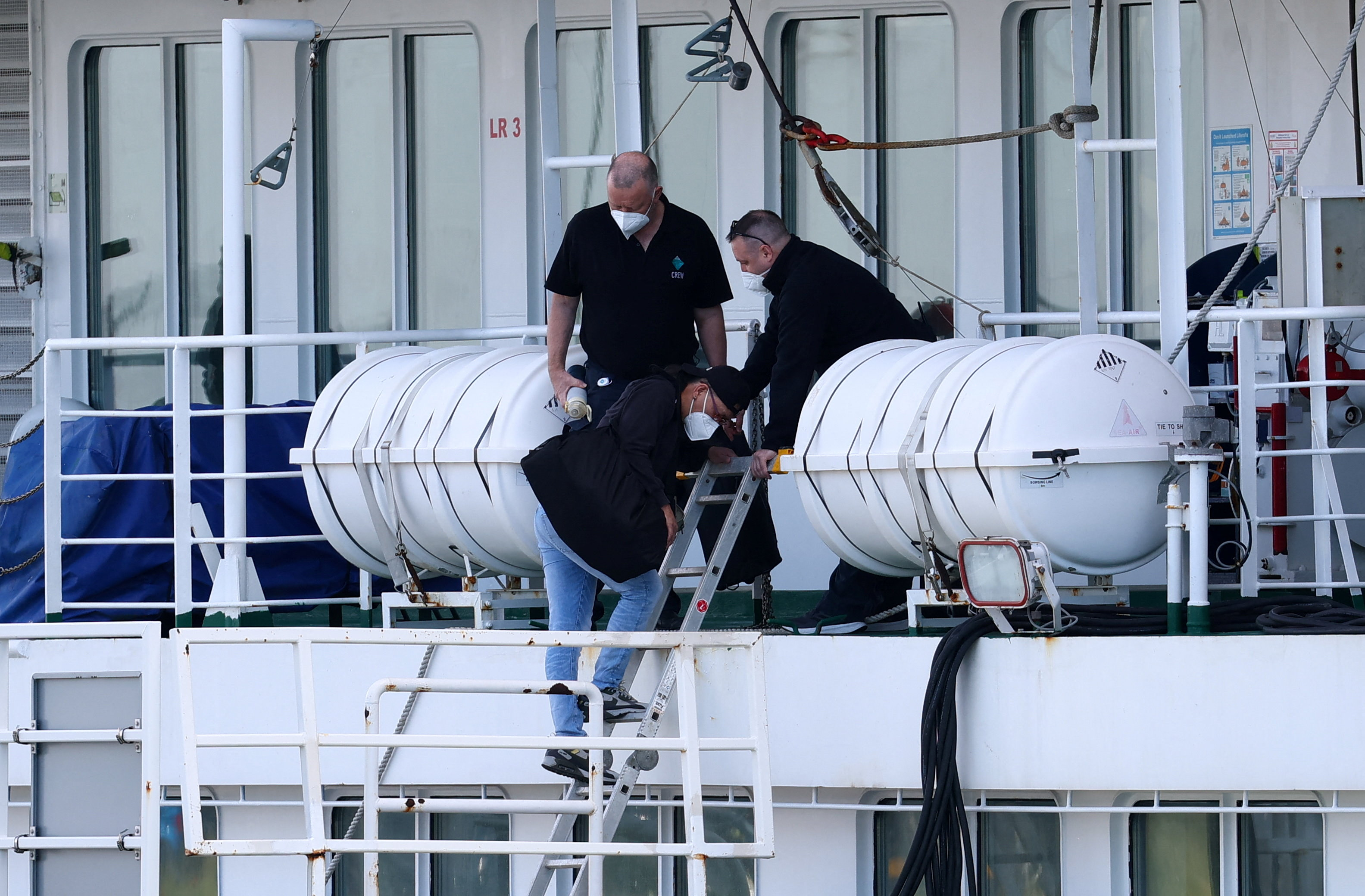
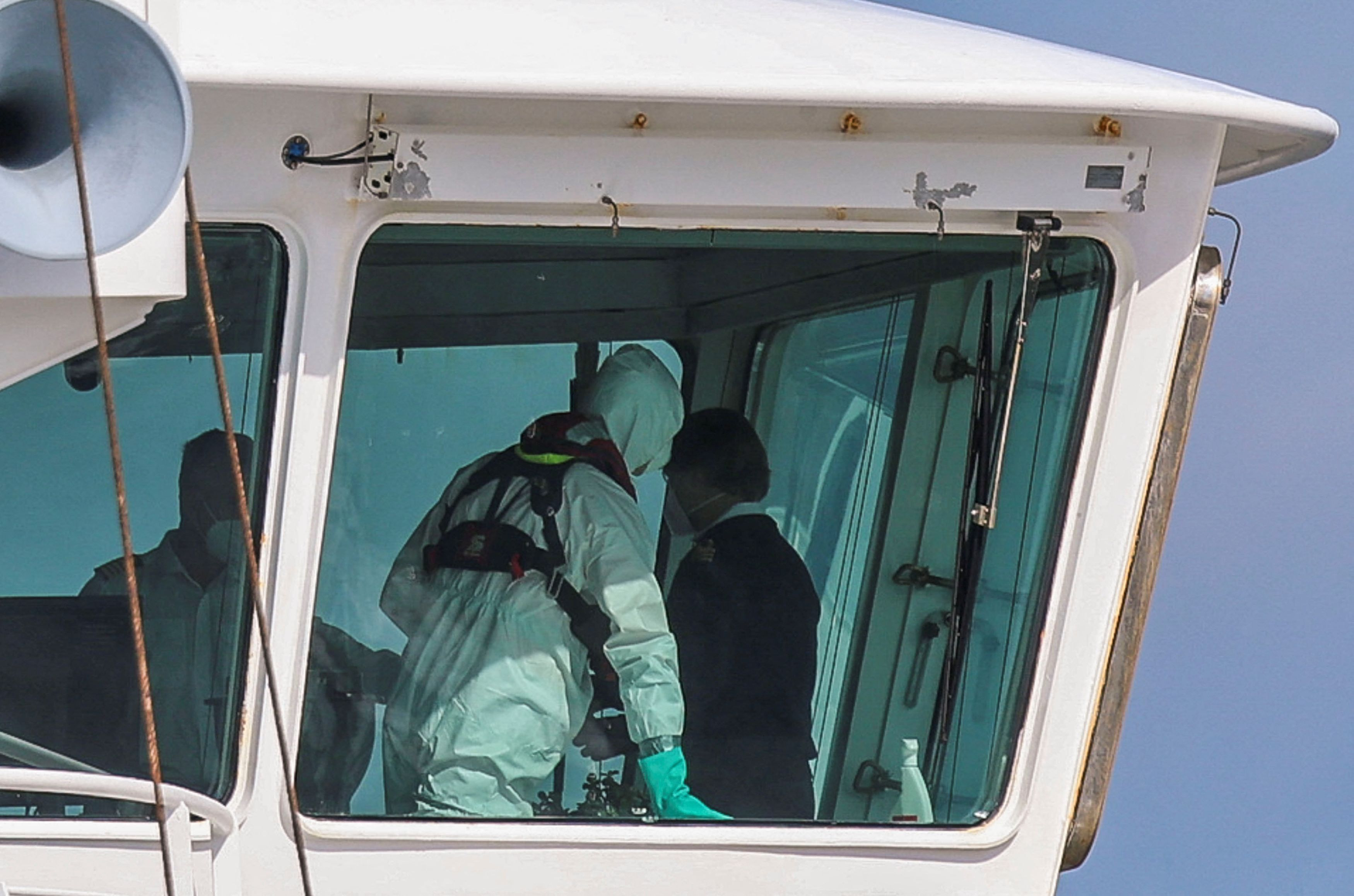
A crew member disembarks the cruise ship MV Hondius, which was affected by a hantavirus outbreak, after the ship arrived at the Port of Rotterdam, where Dutch authorities are preparing quarantine arrangements, in Rotterdam, Netherlands, May 18, 2026. REUTERS/Piroschka van de Wouw
Questions about CDC guidance
Guidance from the Centers for Disease Control and Prevention has shifted over the past week. It now states that Andes hantavirus spread is usually limited to people in prolonged direct physical contact, in close or enclosed spaces, or exposed to body fluids or respiratory secretions.
Some scientists say the guidance understates the possibility of airborne spread in indoor settings.
“The best outbreak investigation we have contradicts the message we have of close, prolonged contact,” says Joseph Allen, a professor and director of the Healthy Buildings program at Harvard T.H. Chan School of Public Health. “It’s not just intimate contact, it’s not just close contact. There is evidence that it spread without those things happening but it was absent from the official messaging for at least a week.”
Allen is concerned that the improper guidance could lead to people who are now home under self-quarantine taking their quarantine less seriously than they should—particularly with the incubation period being up to 42 days.
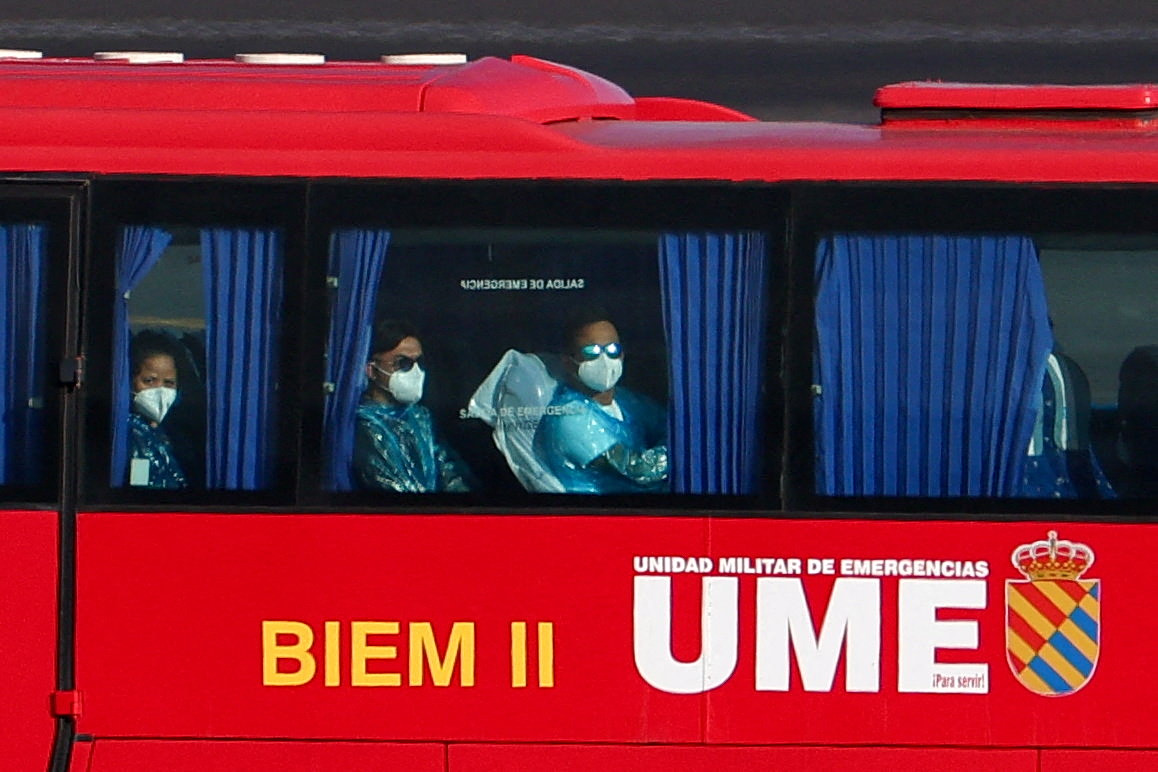
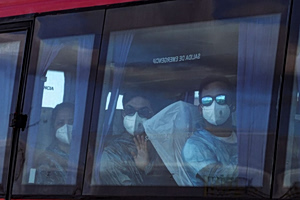
Passengers from the cruise ship MV Hondius, which was affected by a hantavirus outbreak, arrive to take a plane to the Netherlands, at Tenerife Sur airport, Canary Islands, Spain, May 11, 2026. REUTERS/Pedro Nunes
In his view, “the long incubation period creates challenges” because Allen says he isn’t convinced that there’s no pre-symptomatic transmission. Even though a wide outbreak isn’t anticipated, new cases could surface every few weeks, he notes.
The good news is the virus has shown no signs of mutating to make it better at infecting people.
Palacios is involved in a genomic sequencing of the virus, and so far it looks similar to previous versions. “I feel confident no more secondary cases are going to be observed,” he says, “but we should acknowledge that we don’t know everything.”
So at the moment, no you don’t have to wear a mask. But our understanding of the virus is limited and evolving. We haven’t seen a hantavirus outbreak that looks like this before, spreading to multiple corners of the world.
It appears possible for the virus to spread through the air, not just through bodily fluids and intimate contact. This is something the general public should know so that the proper precautions are taken, and we can limit transmission and go about our business.