 Μake us preferred on Google
 As global energy markets remain under pressure from the Iran war and the closure of the Strait of Hormuz, the United States has extended a sanctions waiver allowing certain purchases of Russian seaborne oil, arguing the move is necessary to support countries facing acute fuel shortages.
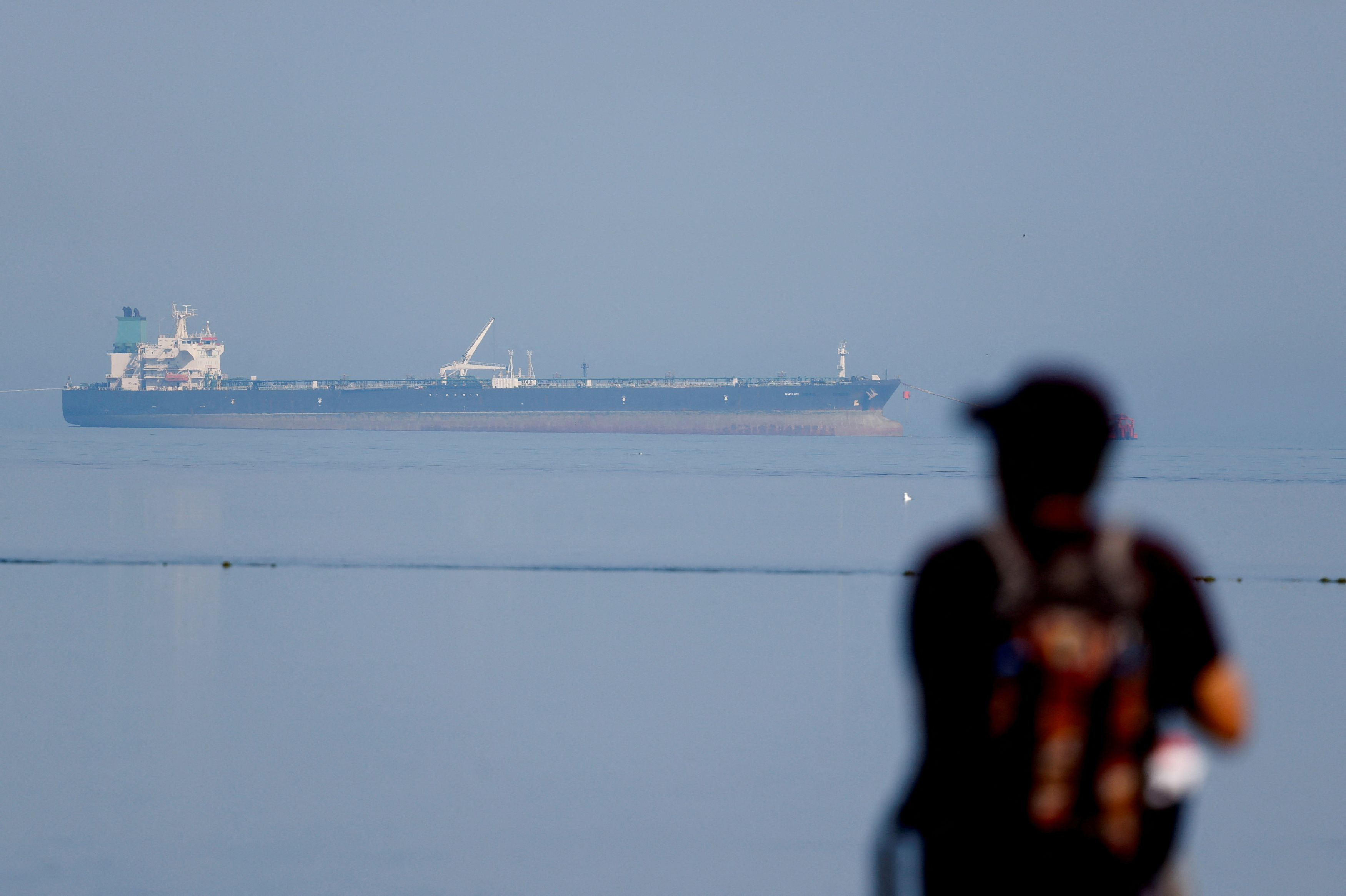
U.S. Treasury Secretary Scott Bessent announced a new 30-day extension of the exemption, marking the second time Washington has renewed the temporary measure after previously indicating that no further extensions were planned. The waiver allows access to Russian oil and petroleum products already loaded onto tankers, helping countries cut off from traditional Gulf energy supplies secure alternative sources without breaching U.S. sanctions.
According to Bessent, the decision is intended to provide flexibility for nations most vulnerable to the disruption in global oil flows. He said the measure would help stabilize physical crude markets and ensure that oil reaches countries struggling to compete for limited supplies.
The latest extension comes as concerns over energy availability continue to dominate international markets. The closure of the Strait of Hormuz has disrupted key shipping routes, contributing to tighter supply conditions and keeping benchmark Brent crude prices above $110 per barrel.
Reversal of Earlier Position
The decision represents a notable shift from the Treasury Department’s earlier stance. Last month, Bessent had stated that no additional extensions of the waiver were expected. However, as reported in Reuters, requests from countries facing severe energy shortages prompted the administration to reconsider.
Officials said the exemption would allow vulnerable nations temporary access to Russian oil and petroleum products already stranded aboard tankers. The waiver does not apply to newly produced or newly loaded Russian oil, limiting the scope of the relief measure.
The Treasury first introduced the temporary license in March after energy prices surged following military action against Iran and the resulting supply disruptions. The aim was to ease shortages and reduce pressure on global oil markets by releasing sanctioned cargoes that could no longer be traded under existing restrictions.
Political Backlash in Washington
The extension has drawn criticism from some U.S. lawmakers. Democratic Senators Jeanne Shaheen and Elizabeth Warren condemned the move, calling it an “indefensible gift” to Russian President Vladimir Putin.
The senators argued that additional oil revenues could help finance Russia’s war in Ukraine while doing little to lower fuel prices for American consumers or significantly improve global energy stability.
The Trump administration imposed sanctions on major Russian oil companies, including Rosneft and Lukoil, last year as part of efforts to reduce Moscow’s oil revenues and increase pressure over the conflict in Ukraine.
Limited Impact on Fuel Prices
Energy analysts said the waiver could offer short-term relief for countries heavily dependent on Gulf oil supplies but may have only a limited effect on broader fuel markets.
The exemption remains narrowly targeted, covering only cargoes loaded before April 17. Analysts noted that British and European sanctions on Russian oil remain in place, restricting the overall volume of trade that can benefit from the waiver.
Some experts warned that the measure could still increase Russian oil revenues at a time when elevated crude prices are already boosting earnings. Others argued that the short-term authorizations are unlikely to have a meaningful impact on U.S. gasoline prices, despite the administration’s efforts to ease energy costs.
G7 Pressure on Iran
Speaking from Paris during a meeting of G7 finance ministers, Bessent reiterated calls for stronger international enforcement of sanctions against Iran. He urged allies and partners to fully implement existing restrictions, arguing that tighter compliance would reduce funding available for Iran’s military activities.
Oil markets remained volatile throughout Monday’s trading session. Prices initially fell following reports that the United States was considering temporary sanctions relief for Iranian oil during peace negotiations, but later rebounded after those reports were disputed and concerns over supply shortages persisted.