 Μake us preferred on Google
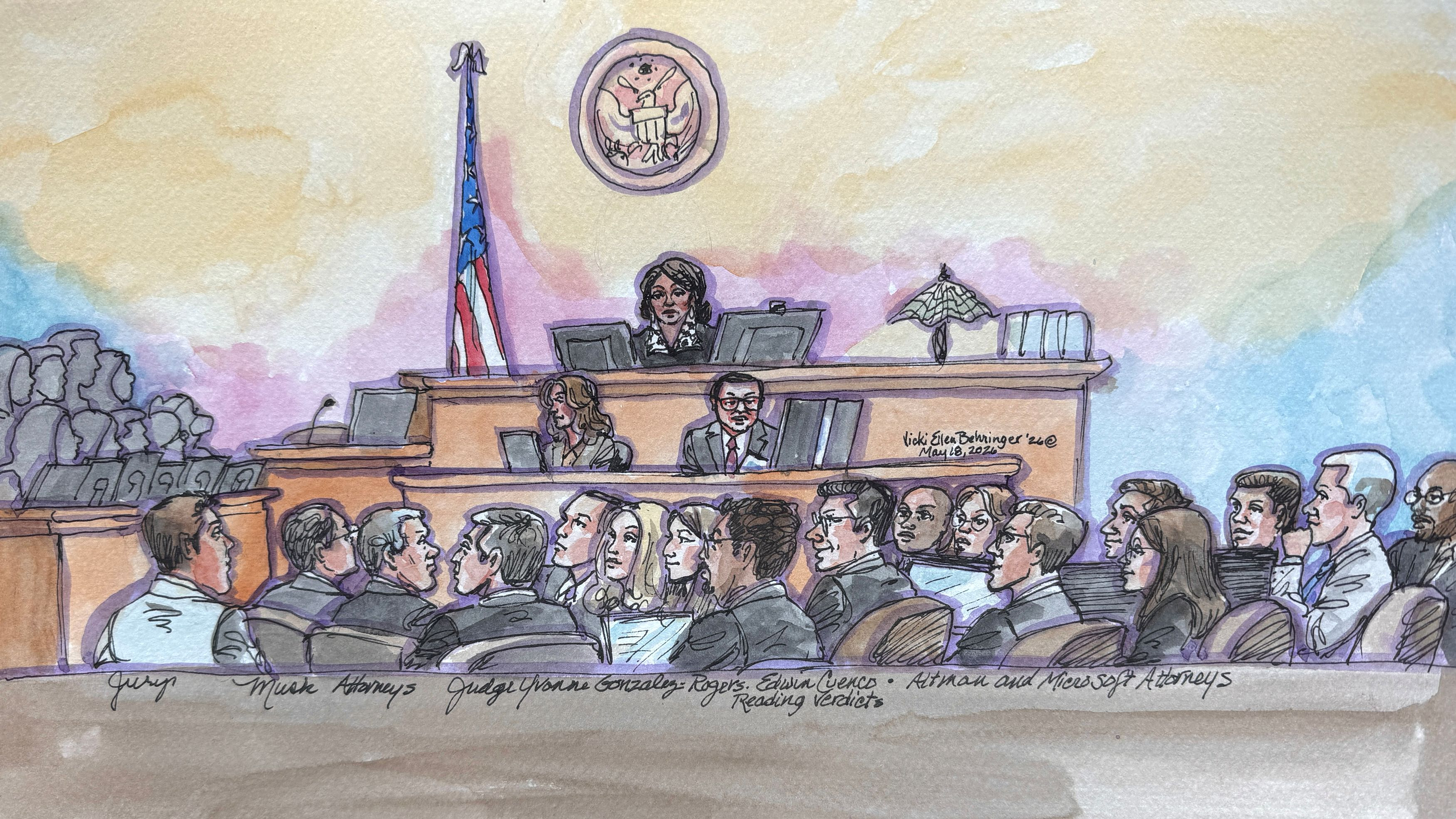
 OpenAI secured a major courtroom victory after a U.S. jury rejected Elon Musk’s lawsuit against the artificial intelligence company, ruling that the billionaire entrepreneur waited too long to bring his claims over the organization’s direction and governance.
The unanimous verdict, delivered in federal court in Oakland, California, came after less than two hours of jury deliberation and marks a significant win for OpenAI, potentially clearing the way for a future initial public offering that could value the company at as much as $1 trillion.
Jury Sides with OpenAI
Musk had accused OpenAI and its leaders of abandoning the organization’s original mission to develop artificial intelligence for the benefit of humanity. He claimed that OpenAI, along with Chief Executive Sam Altman and President Greg Brockman, transformed the organization into a profit-driven enterprise after he contributed $38 million during its early years.
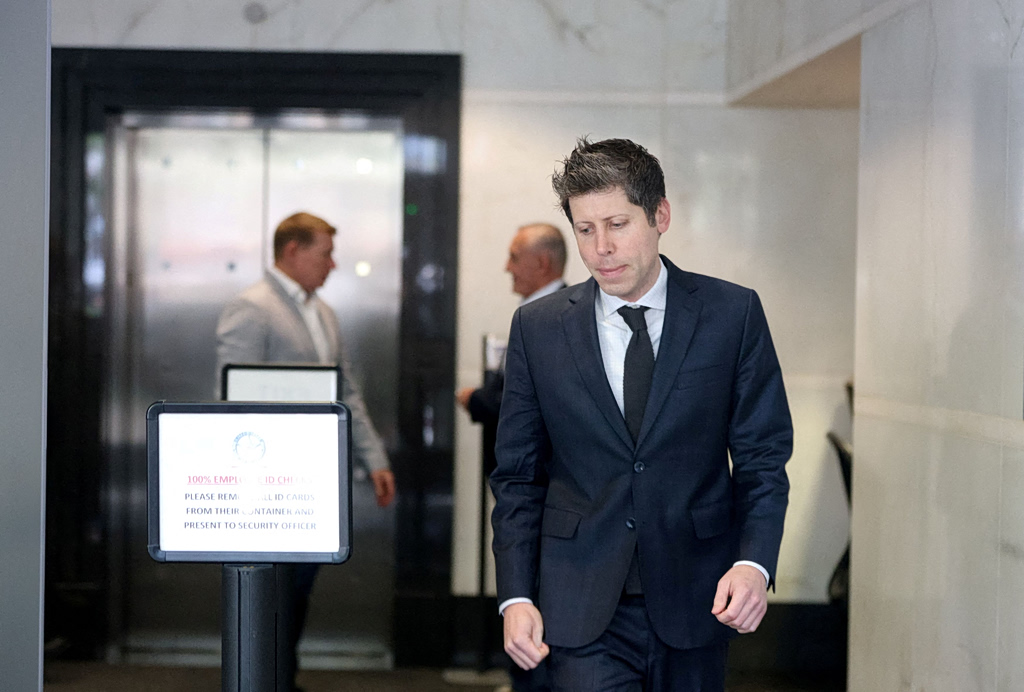
OpenAI CEO Sam Altman arrives at the federal courthouse, as the trial in Elon Musk’s lawsuit over OpenAI’s for-profit conversion continues, in Oakland, California, U.S., May 14, 2026. REUTERS/Manuel Orbegozo TPX IMAGES OF THE DAY
However, jurors concluded that Musk’s lawsuit was filed outside the applicable statute of limitations. OpenAI’s legal team argued that Musk had been aware of the company’s plans to expand and develop a for-profit structure years before filing the lawsuit in August 2024.
Following the verdict, U.S. District Judge Yvonne Gonzalez Rogers suggested any appeal could face significant challenges, noting there was substantial evidence supporting the jury’s conclusion regarding timing.
Musk Vows to Appeal
Despite the setback, Musk signaled he would continue the legal fight.
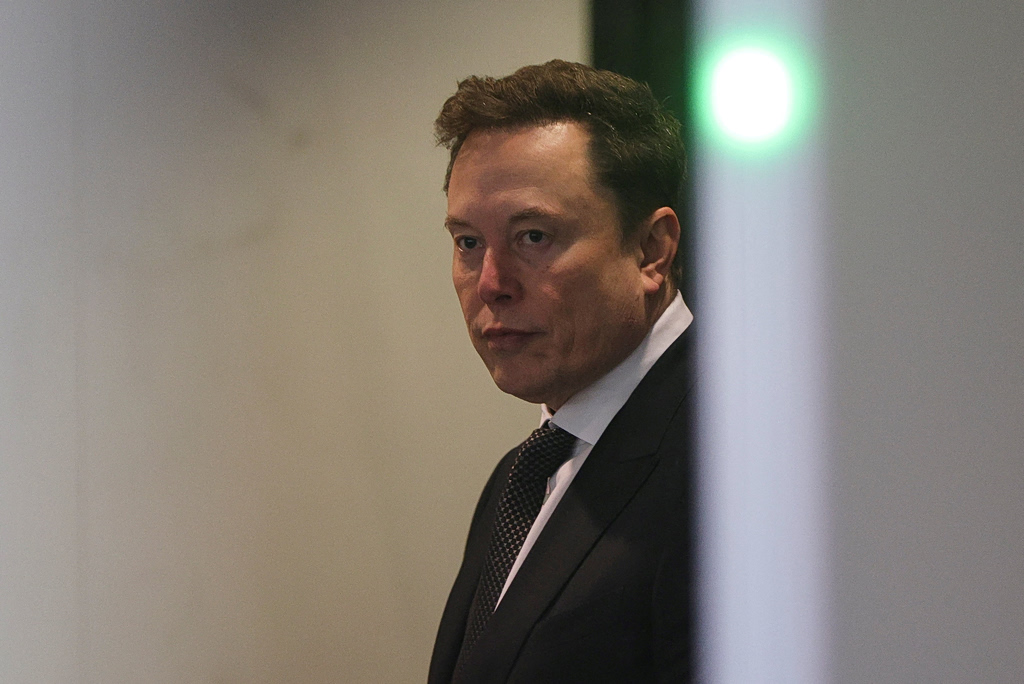
FILE PHOTO: Elon Musk walks to attend the trial in his lawsuit over OpenAI for-profit conversion at a federal courthouse, in Oakland, California, U.S., April 29, 2026. REUTERS/Manuel Orbegozo/File Photo
Posting on X after the verdict, Musk reiterated his allegation that Altman and Brockman had used OpenAI to generate personal wealth, arguing that the case raised broader concerns about nonprofit organizations creating for-profit entities.
His attorney, Marc Toberoff, said the ruling could encourage other technology startups to adopt similar structures, allowing nonprofit organizations to pursue commercial ambitions while enriching executives and directors.
Musk co-founded OpenAI in 2015 alongside Altman and others but left its board in 2018. The company established a for-profit business the following year. Musk has since launched his own artificial intelligence venture, xAI, which is now part of SpaceX.
Major Implications for OpenAI
The lawsuit had been widely viewed as one of the most significant legal challenges facing OpenAI, with broader implications for the rapidly evolving artificial intelligence industry.
Analysts said the verdict removes a major source of uncertainty around the company’s future fundraising and public market ambitions.
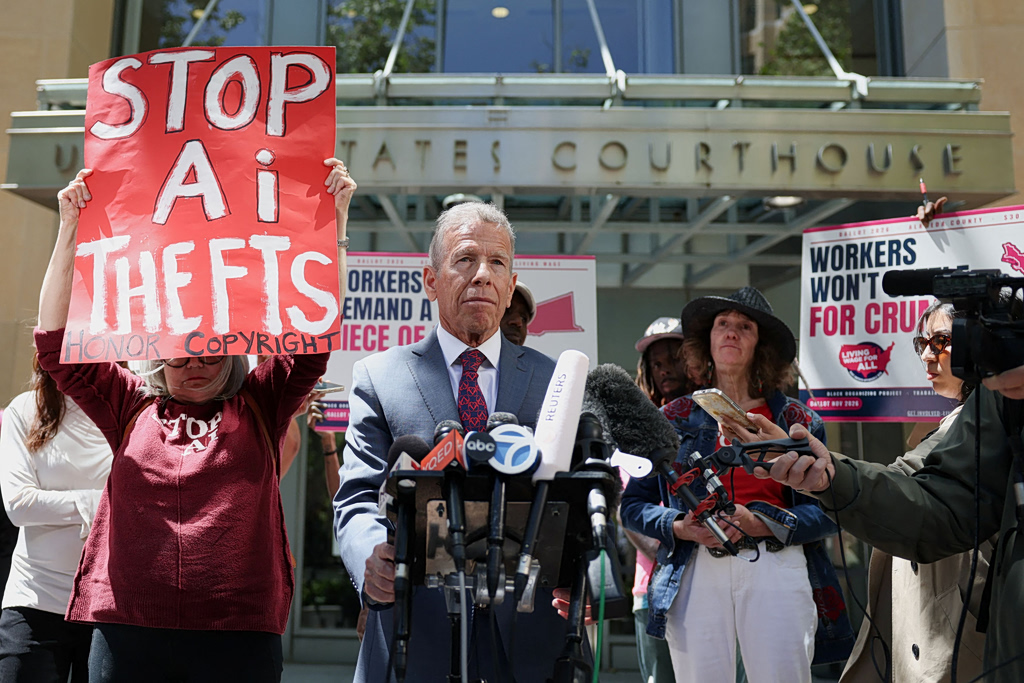
Elon Musk’s attorney Marc Toberoff speaks to the press as demonstrators hold placards outside the federal courthouse, as the trial in Elon Musk’s lawsuit over OpenAI’s for-profit conversion continues, in Oakland, California, U.S., May 18, 2026. REUTERS/Manuel Orbegozo
Dan Ives of Wedbush described the decision as a major victory for OpenAI and Altman, saying it eliminated a significant obstacle to a potential IPO despite scrutiny of Altman’s leadership during the trial.
The case also involved Microsoft, OpenAI’s key partner and investor. A Microsoft executive testified that the company had invested more than $100 billion in its partnership with OpenAI. The software giant faced an aiding-and-abetting claim in the lawsuit but welcomed the jury’s decision.
Trial Put Leadership Under Scrutiny
The three-week trial featured 11 days of testimony and arguments, with both sides challenging each other’s motives and credibility.
Musk’s legal team argued that OpenAI had failed to prioritize AI safety and had instead focused on enriching investors and insiders. During closing arguments, Musk’s lawyers highlighted testimony from witnesses who questioned Altman’s honesty and credibility.
OpenAI’s attorneys rejected those claims, portraying the lawsuit as an attempt by Musk to undermine a competitor after the company’s success in the artificial intelligence sector.
The verdict concludes a closely watched legal battle that centered not only on OpenAI’s origins and evolution, but also on broader questions about who should benefit from the commercialization of advanced artificial intelligence technologies.
With the case dismissed, OpenAI now faces fewer legal obstacles as it pursues its next phase of growth, while Musk prepares to challenge the ruling through the appeals process.