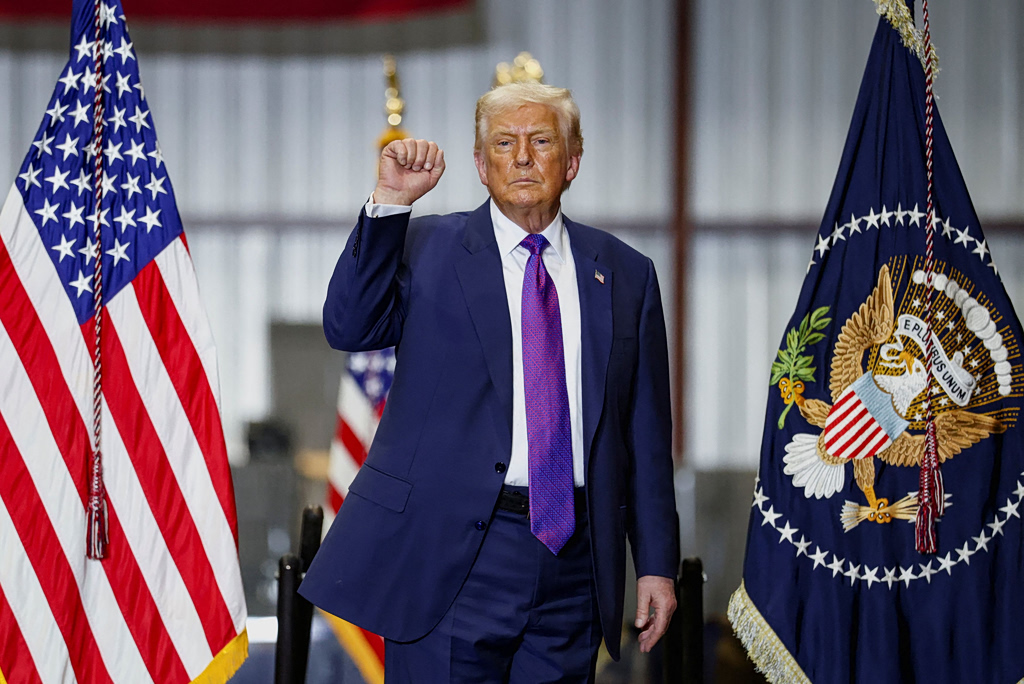

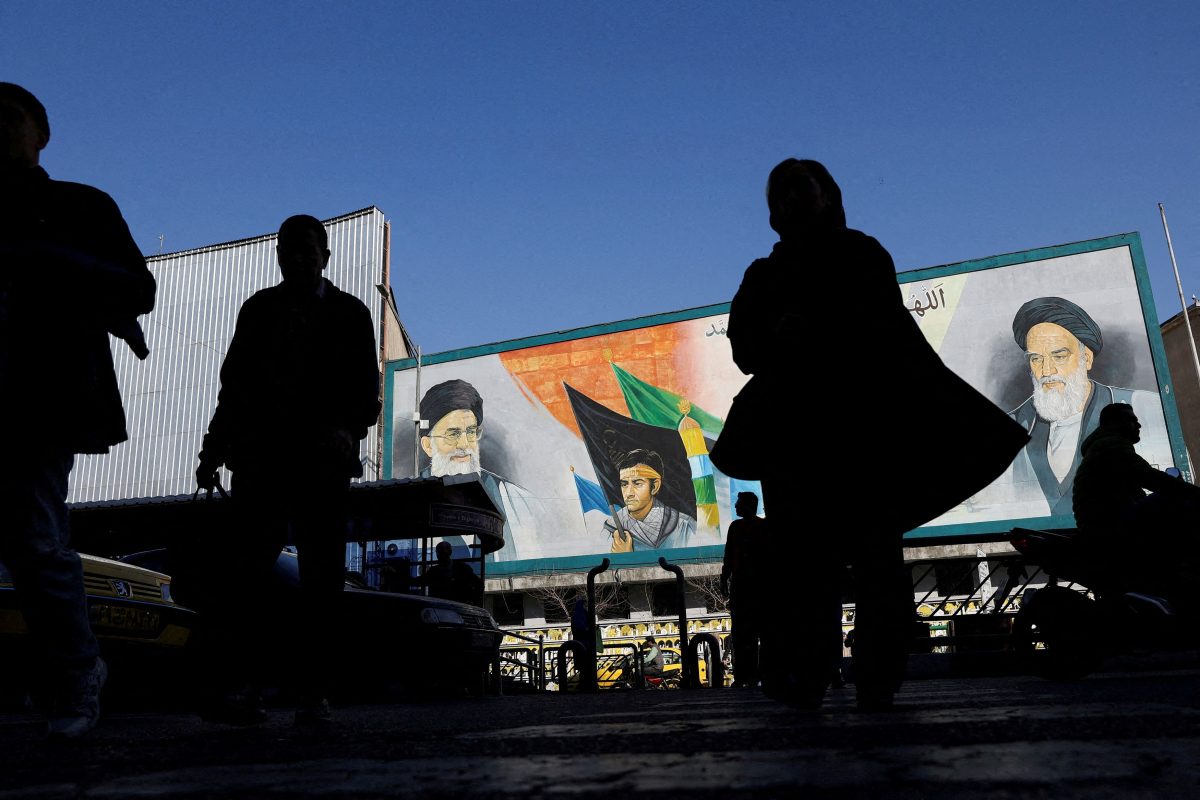
President Trump is reckoning with an unusually difficult risk assessment if he chooses to strike at the regime of Iran’s Supreme Leader Ali Khamenei : There is no clear alternative that would emerge if it collapses.
Iranian opposition to the Islamic Republic is politically fractured, disorganized and physically divided between those at home and abroad. If the U.S. opts to knock out the top leaders in the hope that more malleable figures rise to replace them, there is no guarantee that they will be any more moderate than Khamenei.
“If Trump goes for such action—killing Khamenei and top commanders—the problem is, what happens next?,” said Mohsen Sazegara, a former Islamic Republic official turned opposition activist based in the U.S. “Iran may become a failed state.”
U.S. Secretary of State Marco Rubio has acknowledged as much, recently telling Congress that the U.S. would have to hope to find someone to work with in the government through a complex transition.
It wasn’t like this the last time Iran’s government fell. On the eve of the 1979 revolution that overthrew the shah, Mohammad Reza Pahlavi , there was a much clearer vision of what would follow.
At the time, Iranians across social classes and political divides, inside and outside the country, united under the leadership of Ayatollah Ruhollah Khomeini . The charismatic cleric could lean on a vast network of mosques and charitable organizations to coordinate the popular mobilization. When Khomeini returned from exile in Paris in February 1979, he received a hero’s welcome.
No comparable opposition figure exists today.
And every option for what comes next presents its own set of challenges. “The spectrum of options is very, very narrow, if there are any at all,” said Aniseh Bassiri Tabrizi, an Iran expert with the Chatham House research group.
The protesters
The most formidable threat to the Islamic Republic comes from within Iran itself. Angry Iranians have taken to the streets with increasing frequency over the past decade, mobilizing over allegations of election rigging in 2009, women’s rights in 2022, and, late last year, the worsening economic crisis.
Analysts and activists say it is inevitable they will flare up again despite a brutal crackdown that killed thousands of people. Already a fresh wave of anger is brewing, with people shouting slogans such as “Death to Khamenei” and “Death to the Child-Killer Republic” during ceremonies mourning those killed.
But these popular movements have no clear leaders or organizational structure inside the country. Prominent opposition figures are sooner or later silenced or jailed, among them the Nobel Peace Prize laureate Narges Mohammadi and Mostafa Tajzadeh, a former Iranian lawmaker. Both are currently imprisoned .
Antiregime figures based outside Iran include many human rights-focused activists. Many of them—including Shirin Ebadi , an Iranian lawyer and another Nobel Peace Prize winner—have been outside Iran for so many years that many Iranians feel they are out of touch with the reality on the ground.
Ebadi, for instance, said she is in favor of targeted U.S. strikes aimed at killing Khamenei and top commanders. “That would cause the regime to collapse because if they are eliminated, no one else can run the country,” she said in an interview.
That puts her at odds with prominent political activists inside Iran who are opposed to military intervention.
The heir
The most prominent opposition figure outside Iran is Reza Pahlavi, the exiled son of the deposed shah , who has put himself forward as a future leader. He emerged as a powerful symbol of opposition to the regime during the recent protests. Iranians responded to his call for nationwide protests by showing up in large numbers in January, many chanting his name or slogans against the regime before security forces unleashed another crackdown.
“I will return to Iran. I am uniquely positioned to ensure a stable transition. That’s not my opinion, that’s the verdict delivered loudly and clearly by the people in the face of bullets,” said Pahlavi, whose stated goal is to help Iran transition to a secular democracy.
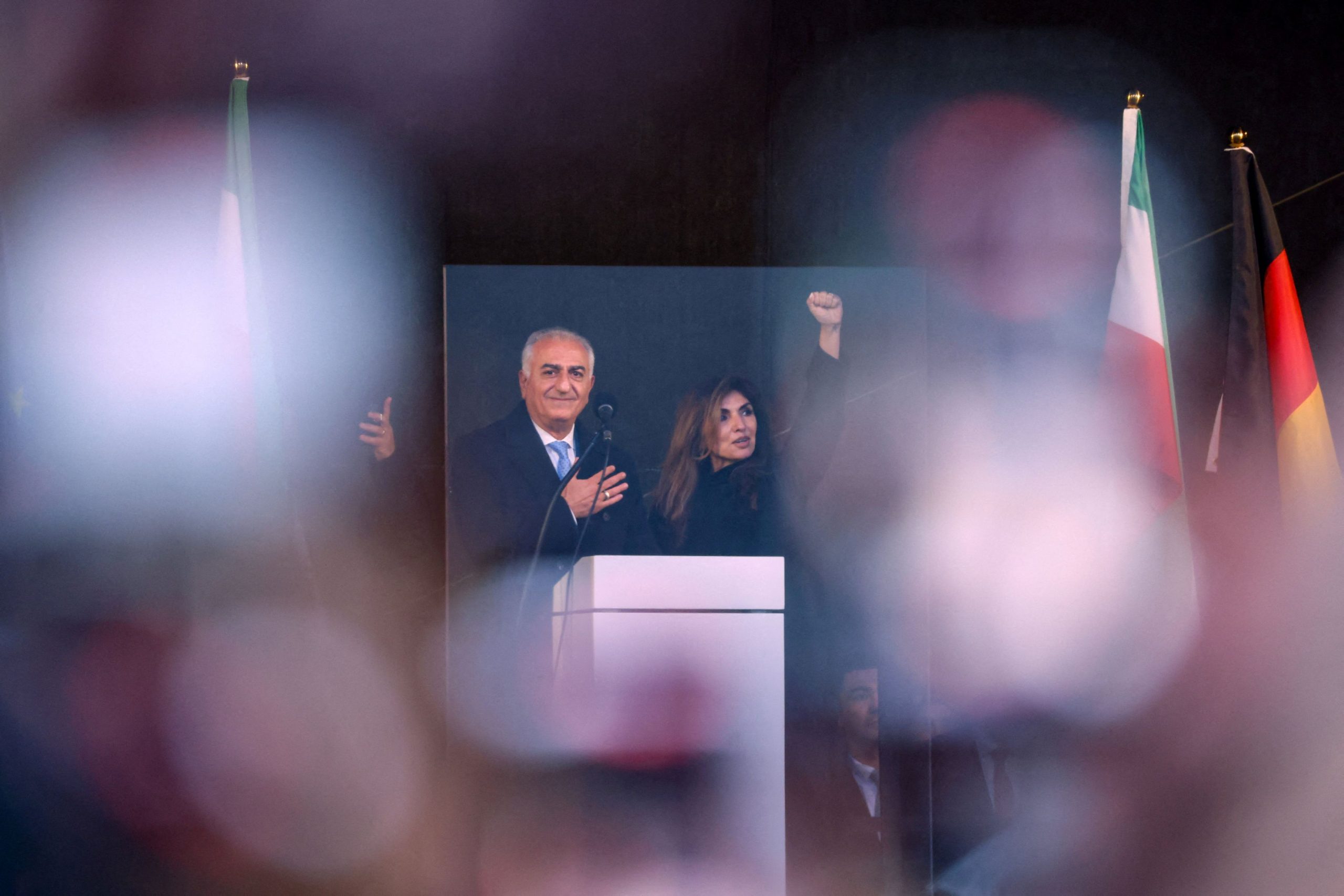
Reza Pahlavi, the exiled son of Iran’s last shah, and wife Yasmine Pahlavi at a rally in Munich last week. REUTERS/Thilo Schmuelgen
Yet the heir remains a divisive figure among Iranians who remember his father’s political repression and the social inequalities that characterized his time in power. Many Kurds, Azeris and other ethnic minorities—who make up close to half of Iran’s population—distrust Pahlavi because of his father’s focus on centralized control.
Pahlavi and Ebadi, the human rights activist, tried to create a broad alliance after the women’s rights protests in 2022 but it fell apart over their personal disputes. More recently, Pahlavi’s more aggressive supporters have called for the restoration of the monarchy, alienating many other opponents of the Islamic Republic.
“We don’t want the return of the monarchy in the country—absolutely not,” said Mehrdad Darvishpour, a Sweden-based sociologist and well-known figure in Iran’s pro-democracy movement.
Pahlavi has also criticized some of his more eager supporters, saying a democratic system is better equipped to accommodate political differences.
The Marxists
Some opposition groups despise each other as much as they despise the Islamic Republic.
The People’s Mojahedin Organization, a well-organized leftist-Islamist group, waged an armed struggle against the shah and participated in the 1979 revolution that overthrew him. Also known as the MEK after its Persian name—the Mojahedin-e Khalq—it soon fell out with the Islamic Republic and staged a violent campaign against it. It is distrusted by many Iranians who point to MEK’s decision to side with Iraq during the war in the 1980s but has since gained some support among politicians in Europe and the U.S. It is largely based overseas.
The regime
Arab and European officials say that removing the 86-year-old Khamenei won’t necessarily result in more moderate figures taking over the leadership of the Islamic Republic, let alone topple it. They say the regime could adapt and survive, perhaps through conservative cleric Ali Asghar Hejazi, Khamenei’s current envoy to the security apparatus, and Mohammad-Mahdi Mirbagheri, the spiritual leader of an ultraradical faction rejecting any democratization.
Mohammad-Bagher Ghalibaf, a former Islamic Revolutionary Guard Corps commander who is now the speaker of Iran’s parliament, might lead an even more hard-line government if Khamenei is killed, said Saeid Golkar, associate professor at the University of Tennessee at Chattanooga and an expert on Iran’s security services.
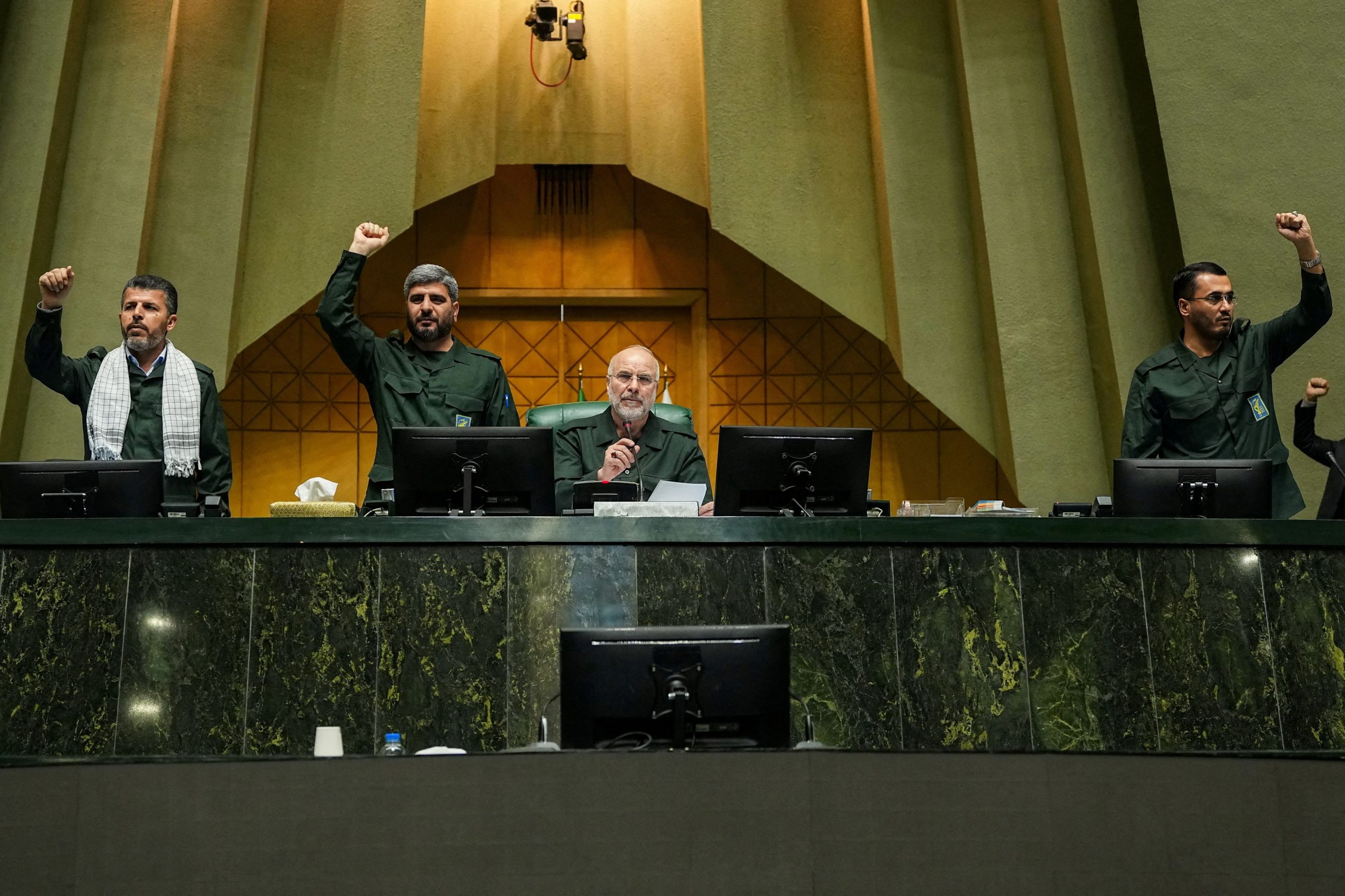
Iranian Parliament Speaker Mohammad-Bagher Ghalibaf, seated, earlier this month. Hamed Malekpour/Islamic consultative assembly news agency/WANA (West Asia News Agency)/Handout via REUTERS ATTENTION EDITORS – THIS PICTURE WAS PROVIDED BY A THIRD PARTY.
Moderate figures already are being sidelined. Several members of a reformist movement pushing for change within the existing system have been detained after criticizing the recent crackdown.
Yet an opening modeled on Russia’s 1980s perestroika is also a possibility. Some officials say a potential Khamenei replacement is Ali Khomeini, a grandson of the Islamic Republic’s founder, who is close to moderate clerical figures.