
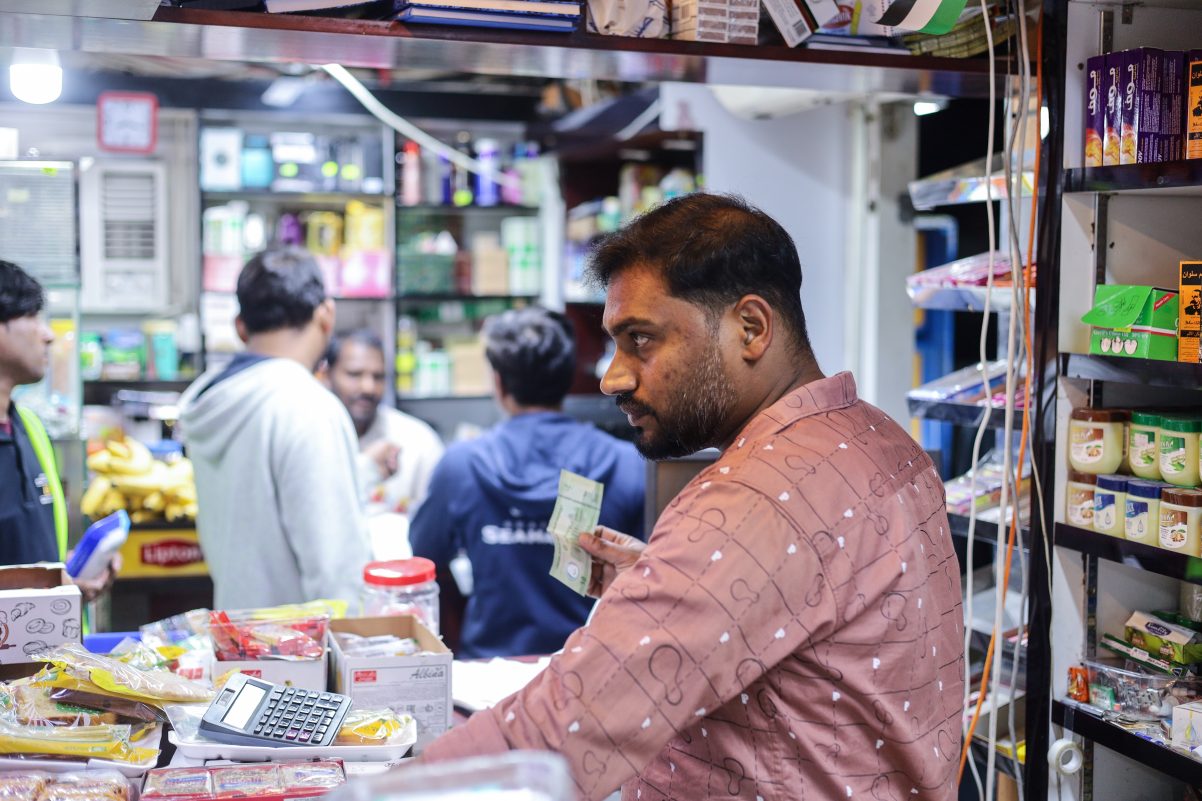
Iran’s economic meltdown, which around the new year triggered protests that threatened the regime’s grasp on power, is getting worse.
A harsh crackdown on the demonstrations and the threat of U.S. military intervention have dragged the country’s currency lower, crippling daily life for millions.
The value of the rial, which sent angry merchants onto the streets when it reached 1.4 million to the dollar at the end of last year, has weakened to 1.6 million.
Annual food inflation was already at 72% when protests broke out across the country in December. Iranians continue to report fast-rising prices for basic foods including rice, milk and vegetables. One Iranian man said he overheard his mother and her friend discussing the price of two bundles of spinach—the equivalent of about $28.
Another man in his 20s who recently traveled to Iran from the U.K. to spend time with family said he saw prices of some goods double in the month he was gone. Browsing an online shopping app one day, he noticed an offer to buy yogurt in installments. “Have we really sunk that low?” he asked himself.
The worsening conditions add to the pressure on the government as it faces tough decisions about whether to make concessions on its nuclear program in talks with the U.S. in hopes of securing relief from sanctions. So far, Iran hasn’t backed down from its insistence on a right to enrich uranium.
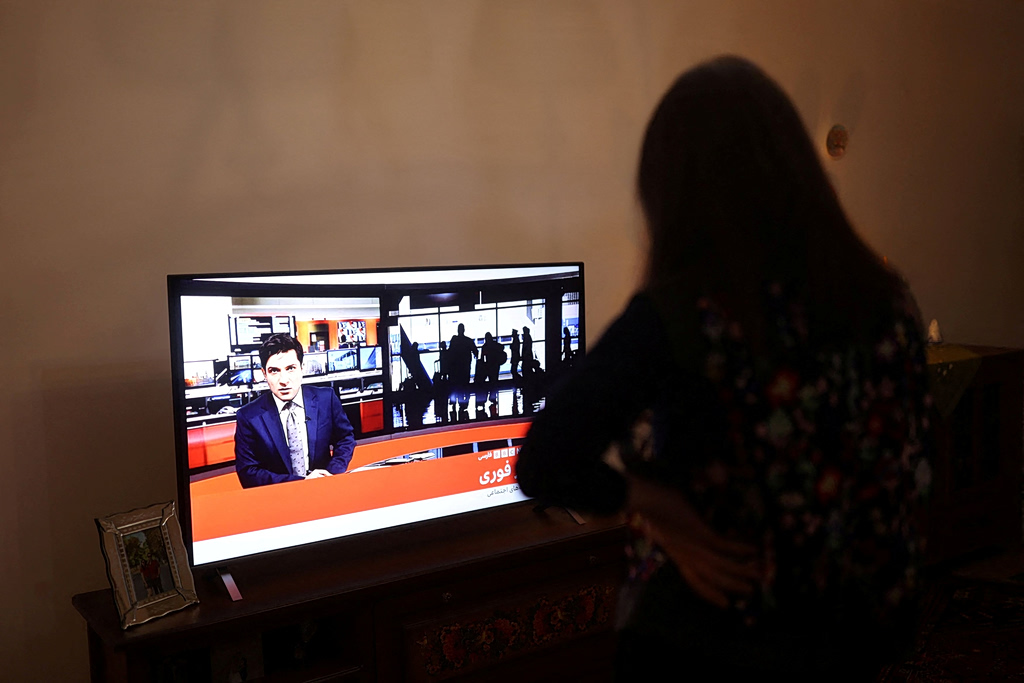
They are also deepening the misery at home. People reached by The Wall Street Journal in Iran, or after leaving for neighboring countries, said they were taking extra jobs, selling their possessions and wrestling with radically reshaped living standards since countrywide demonstrations were crushed in early January.
Some shops have reopened and some workers have returned to their jobs, as economic activity has crept back to life after the violence and a monthlong internet blockade. But Iranians said most people are grinding through each day or looking for ways to leave the country. Those trying to pull their money out of banks have been hampered by controls that limit access to foreign currency.
The rial fell 84% against the dollar last year, wiping out people’s savings and purchasing power. Merchants in Tehran said at the time the rial was so weak they couldn’t do business without losing money on every sale. The influential traders, known as bazaari , are now contending with a currency that has continued to slide since they initiated the uprising .
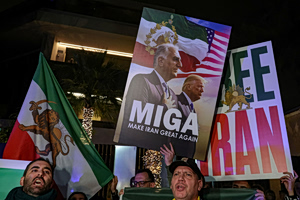
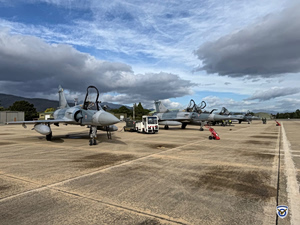
Uncertainty over whether President Trump will choose diplomacy or military action is making it hard for the government, investors, and owners of small and large businesses to make economic plans and decisions. Trump last week dispatched a second aircraft carrier to the Middle East as a part of a buildup of U.S. military forces in the region taking place alongside the administration’s efforts to negotiate a deal to suppress Iran’s nuclear program.
“It is a general situation of wait and see to see how much worse the situation can get if there is an American attack,” said Adnan Mazarei , a senior fellow at the Peterson Institute for International Economics and a former deputy director of the International Monetary Fund.
“The general sense of uncertainty will mean investment is going to go down, even below what was expected to have happened. The pressures on the exchange rate have been higher,” he said.
The IMF projected last year that Iran’s economy would grow by an anemic 1% in 2026, the slowest rate in the Middle East. Economists now project the economy will contract.
The current political crisis had economic roots. Iran was finishing last year under pressure from economic sanctions reimposed by Trump in 2018 as well as a long history of corruption and mismanagement, weakened confidence after being pounded by Israel during the 12-day war in June, and a domestic banking crisis .
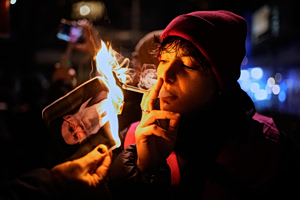
Shopkeepers in the Tehran bazaar closed their stores and poured into the streets to protest the economic crisis, setting off similar demonstrations across the country.
The regime brutally suppressed the uprising in a crackdown that human-rights groups say left at least 7,000 people dead and tens of thousands in jail. Now, as public anger rises again , the government has even fewer resources to deal with the economic chaos.
Its currency and banking problems aren’t likely to be resolved without sanctions relief, which would require giving up its long-defended insistence on enriching uranium .
Some of the government’s attempts to battle the current economic crisis have only added to the pain for consumers. Facing a financial crunch, Iranian President Masoud Pezeshkian introduced a raft of reforms in December including eliminating a special exchange rate for imports, which effectively cut a 75% to 80% subsidy on some basic goods.
The country is also in the grip of severe water and energy crises, despite the country’s vast oil and gas wealth.
Meanwhile, the U.S. is dialing up the economic pressure by tightening sanctions and threatening tariffs against countries that trade with Iran.
“There’s a lot to be said about a stagnant economy that functions, where there’s no growth, but people’s living standards remain about the same,” said Djavad Salehi-Isfahani, an economist at Virginia Tech. “I think at this point, Iranians would be lucky to have that.”
Write to Jared Malsin at jared.malsin@wsj.com