
 Μake us preferred on Google
 Even the picturesque beaches and striking sunsets couldn’t dispel the tension among the members of Earth, Wind & Fire.
While the group was recording on the Caribbean island of Montserrat in 1980, keyboard player Larry Dunn remembered guitarist Al McKay arguing with band leader Maurice White, pressing him for a more equitable financial arrangement with the other musicians.
Members of Earth, Wind & Fire had been frustrated with White, accusing him of hogging the bulk of the profits. “We were generating millions of dollars and only making $2,500 a week [individually],” singer Philip Bailey says in a new HBO documentary about the band. “I think it was less than some of the roadies.”
Over half a century, the ensemble has sold tens of millions of albums. But the group’s cheery, uplifting hits—including “Shining Star,” which packs a book’s worth of self-help into 170 seconds, and “September,” still a wedding staple—were at odds with the internal strain that eventually tore the band apart. New details about the quarrels over money and credit emerged this month in “Earth, Wind & Fire (To Be Celestial vs. That’s the Weight of the World),” directed by Ahmir “Questlove” Thompson, drummer in the Roots.
“The most I ever made was $1,500” a week, said Dunn, who played in Earth, Wind & Fire for more than a decade. He declined to say why he didn’t participate in the documentary.
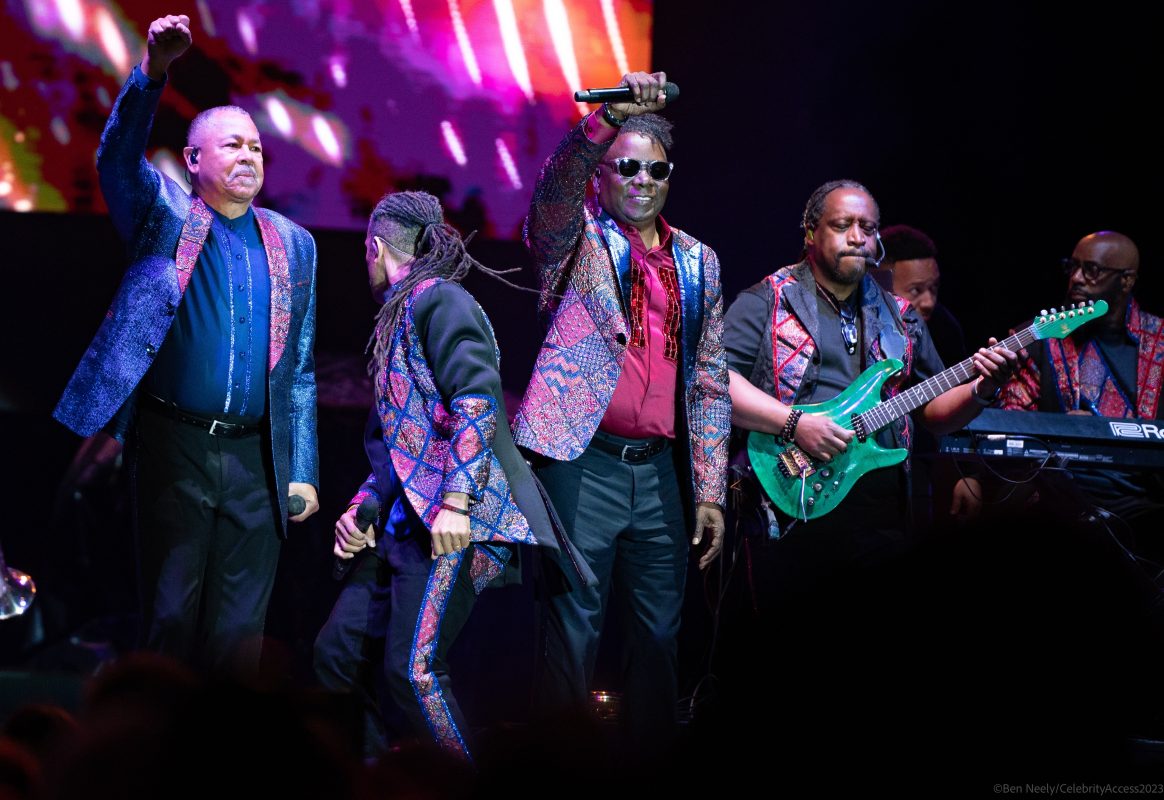
Since the so-called “classic nine” lineup from the glory years broke up, Earth, Wind & Fire has continued with a rotating ensemble anchored by a few longtime members: Bailey; bassist Verdine White, Maurice’s half-brother; and Ralph Johnson, who sings and plays percussion. Candid interviews with the three men drive the new documentary, which they also helped produce. The trio declined to comment.
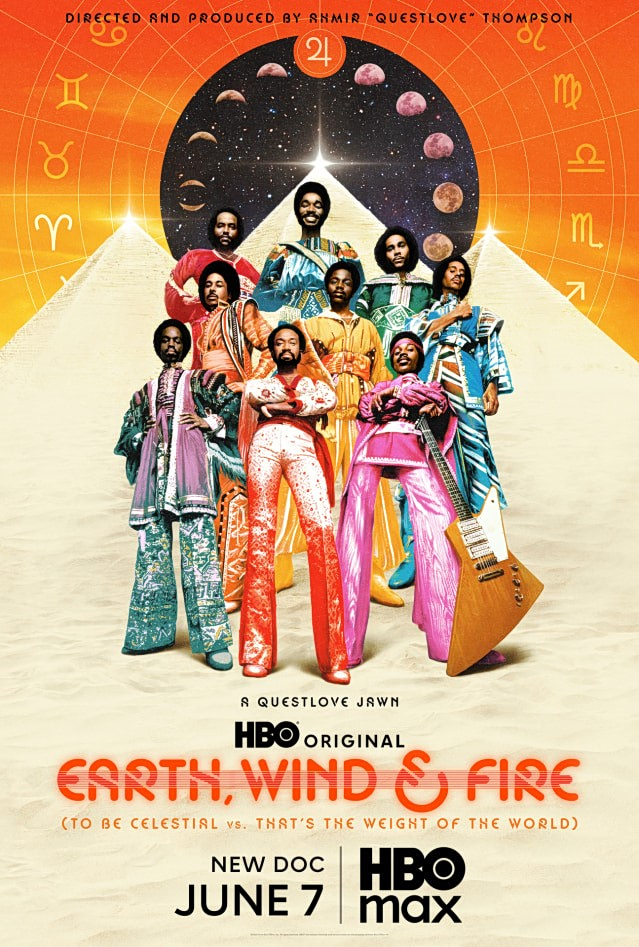
Questlove’s new HBO documentary, ’Earth, Wind & Fire (To Be Celestial vs. That’s the Weight of the World),’ came out this month. HBO
Maurice White, who stopped performing with the band in the 1990s, died in 2016; Jason Boyarski, a legal representative for the star’s estate, said in a statement that it “does not comment on private business arrangements.” McKay, who did not participate in the film, could not be reached for comment.
In White’s 2016 autobiography, he acknowledged that some group members “counted me as an enemy because they believed that I was making a lot more money than I really was.” Still, he wrote, “I knew I had been fair.”
White had tasted success in the late 1960s as the drummer in the Ramsey Lewis Trio before putting together the group that would become Earth, Wind & Fire. While he assembled a crack team to play intricate, explosive funk, he did not treat them as equals. In the documentary, Bailey likens himself and his bandmates to hired guns.
White said in his book that he operated Earth, Wind & Fire as a sole proprietorship, or an enterprise run by one person with no distinction between the business and its owner. “I definitely made the biggest piece of the pie,” he wrote.
The size of that pie began to grow when the group broke into the top 40 with “Mighty Mighty” in 1974. Over the next decade, Earth, Wind & Fire filled the chart with dazzling harmonies and exuberant horn arrangements.
As the hits piled up, though, several members started to protest that their earnings were not commensurate with the band’s success. “Some of the other guys thought we deserved better,” Johnson says in the film. “I’m inclined to agree.”
When the group disbanded in the early 1980s, Johnson was forced to take jobs working construction and selling stereos, according to the documentary. Bailey, whose falsetto adds a giddy edge to “September” and other treasured singles, remembers that his credit card stopped working, and says that the ensuing financial struggles forced him and his family out of Los Angeles.
White suggested in his autobiography that any discord in Earth, Wind & Fire was a natural part of band life. He pointed to disagreements in the Beatles and the Rolling Stones: “People are going to feel underappreciated, the leader is an easy target, and histories get rewritten through each individual’s eyes,” White wrote.
He conceded, though,“that the guys didn’t get the credit they deserve.”
When Earth, Wind & Fire started up again later in the 1980s, several of the classic nine elected not to come back. “The offer that was being made, it wasn’t good,” Dunn said. “Let me just leave it at that.”
Bailey agreed to rejoin Maurice—on one condition.
“I would work with him,” Bailey says in the documentary. “Not for him.”