 Μake us preferred on Google
 Turkey sharply escalated tensions over the Aegean on Thursday by carrying out multiple violations of Greek national airspace, one day after the Greek government signed an agreement with French investment firm Meridiam to support the Greece-Cyprus electricity interconnection project, a strategic subsea cable linking the two countries’ power grids.
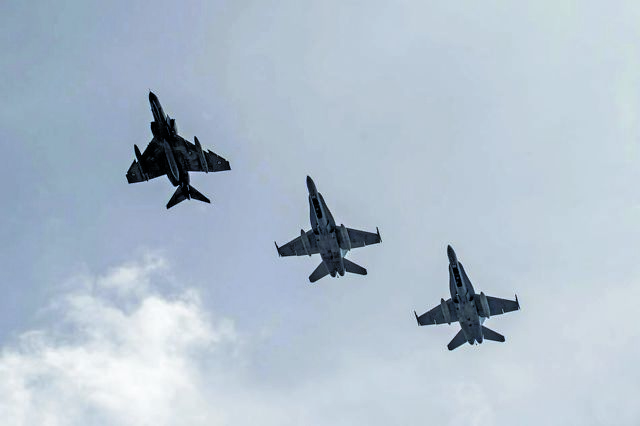
According to the Hellenic National Defense General Staff, eight Turkish aircraft were involved in 17 violations of Greek national airspace and 10 infringements of Athens Flight Information Region (FIR) regulations. All aircraft were intercepted by Greek fighter jets in accordance with international rules and standard procedures.
The Turkish formation was comprised of two armed F-16 fighter jets, one ATR-72 electronic surveillance aircraft and five unmanned aerial vehicles. Of the 17 airspace violations, two were carried out by the F-16s, five by the ATR-72 and 10 by the drones. The aircraft also committed 10 Athens FIR infringements, including one by the F-16s, one by the ATR-72 and eight by the drones.
One of the interceptions involving the armed F-16s developed into an engagement before the Turkish aircraft departed the area.
The latest activity came just one day after Greece formalized an agreement with Meridiam, securing the French investment group’s participation in the Greece-Cyprus electricity interconnection. The project, a high-voltage subsea cable linking the electricity grids of Greece and Cyprus, is regarded by Athens as a strategic energy infrastructure initiative that will strengthen regional energy security, improve electricity market integration and end Cyprus’ status as the only EU member state without an electricity interconnection. The link is also intended to form part of a broader network extending to Israel.
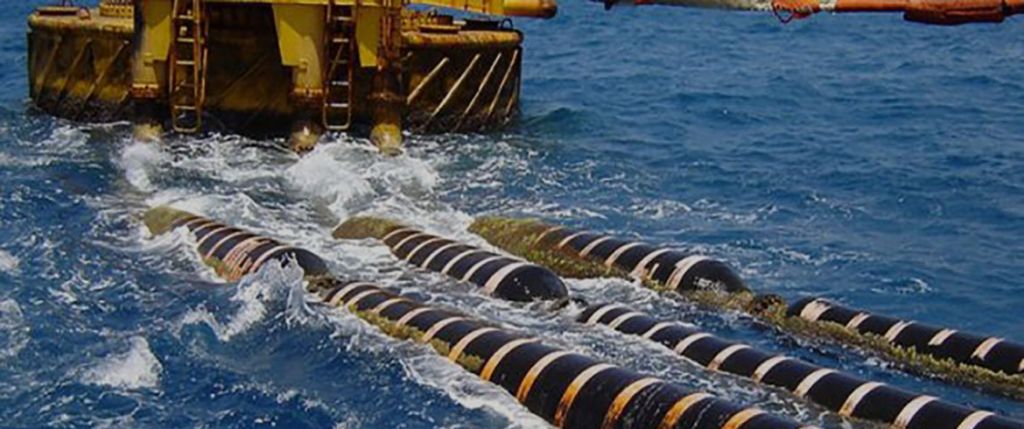
The agreement was presented by the Greek government as a major step toward advancing the long-delayed project despite repeated Turkish annoyance. Ankara has challenged aspects of the cable’s planned route and has previously sought to impede survey activities in parts of the eastern Mediterranean.
Thursday’s violations continue a pattern of heightened Turkish military activity in the Aegean during periods of diplomatic friction over maritime jurisdiction, energy projects and broader regional security issues. Greece has consistently maintained that violations of its national airspace and the Athens FIR undermine regional stability and contravene international norms.