

 Μake us preferred on Google
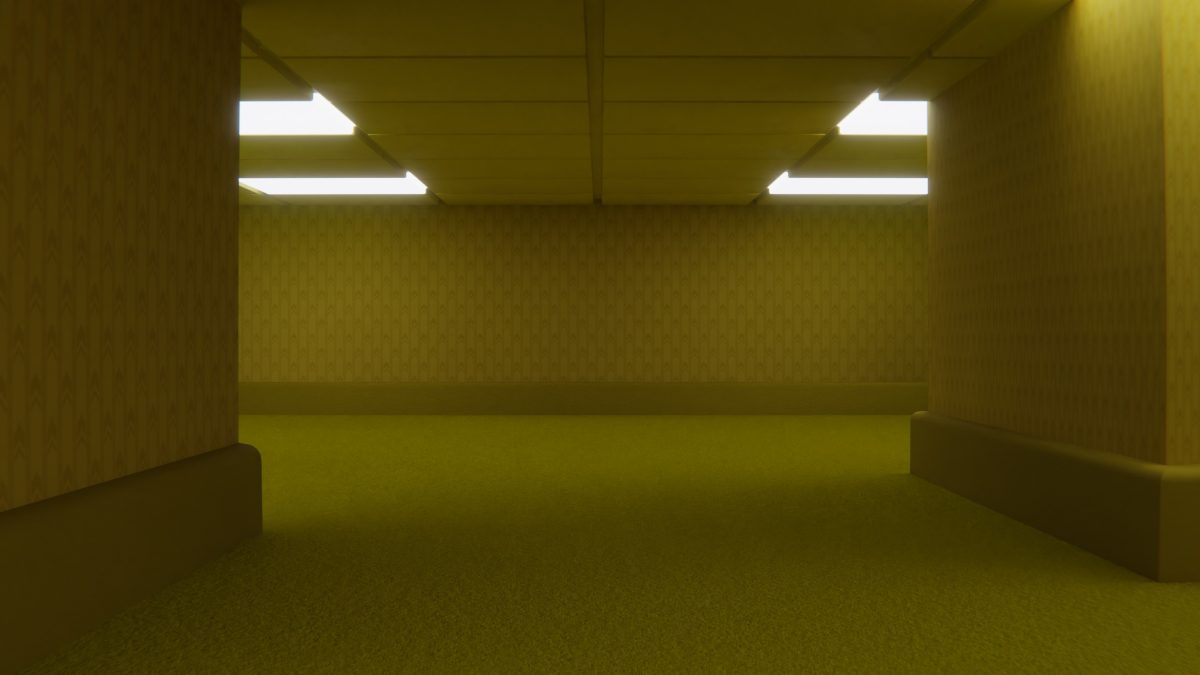
 Picture an abandoned, windowless yellow room with garish fluorescent lights. There’s no furniture on the beige floor. Devoid of any people or context, the room feels suspended outside of reality.
This is what’s known as a liminal space. The term, which describes an unsettling, empty place lacking signs of life, has now become an object of fascination among young people online. The idea became the backbone of the A24 horror movie “Backrooms” from 20-year-old director Kane Parsons. It was a box-office smash when it released last week, with the vast majority of ticket buyers under 35. What was once a niche digital subculture has become a widespread phenomenon for young people allured to being creeped out—with liminal-space accounts proliferating on social media and people making pilgrimages seeking them out, turning dying malls, deserted buildings and vacant corridors into unlikely landmarks. Now, the obsession has culminated into Hollywood gold.
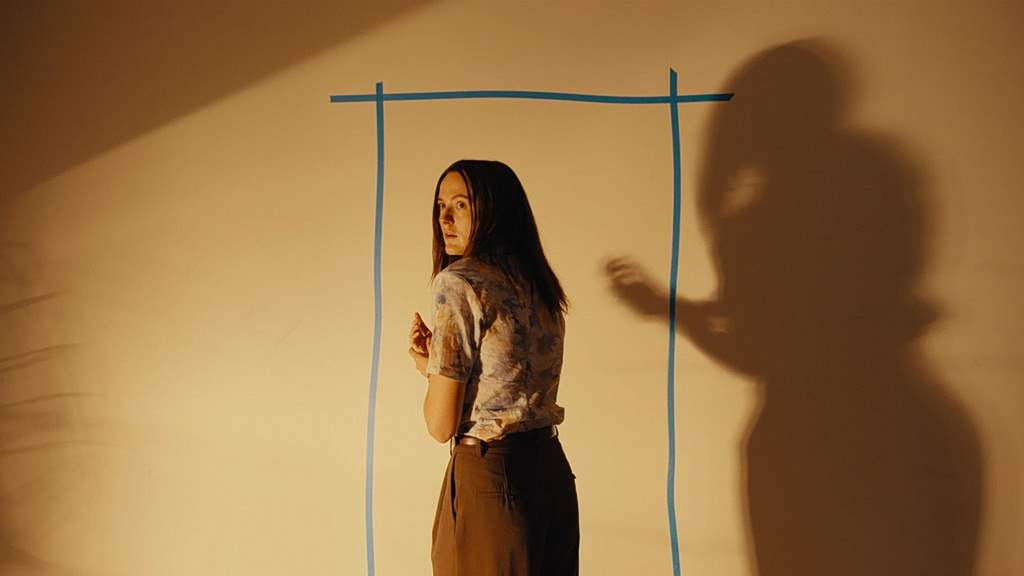
A still from A24 film “Backrooms”.
“You can’t quite grasp onto the firm, lived-in details of the place,” Parsons said, describing the yellow liminal space. “You can tell it’s a man-made space, but I can imagine it’s kind of gibberish as it goes on.
He wanted to figure out what creates such an environment. He was 13 when he first encountered the viral image of that mysterious yellow room. The algorithm led him down a rabbit hole of videos featuring “strangely familiar images with unnerving music.”
He funneled his fascination into a science-fiction YouTube series about a seemingly endless universe where mundanity meets monsters. That project was the seed for “Backrooms,” his $10 million horror film starring Chiwetel Ejiofor as a disgruntled furniture store owner, who one night walks through a wall in his emporium to find a labyrinth of mostly empty rooms full of architectural anomalies.
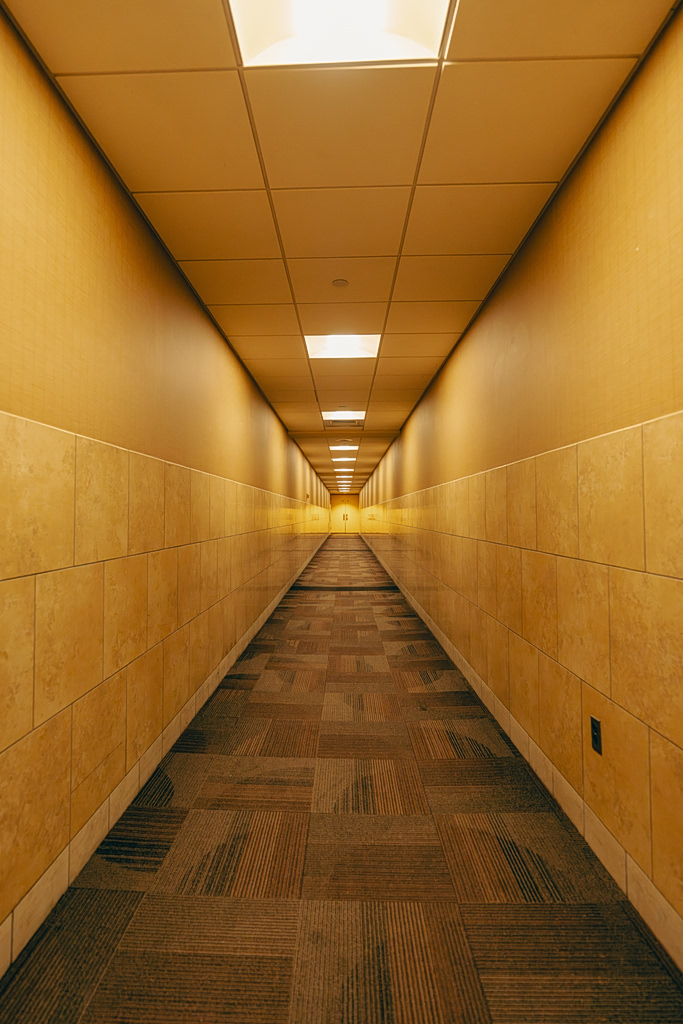
The definition for what constitutes a liminal space has been debated, but most are sparsely populated and vaguely retro. They feel like suburban purgatory, liminal implying a state in between reality and dream. Movie theaters with patterned carpeting have been deemed liminal, as have fast-food restaurants, parking garages and malls. Some liminal spaces, as in the case of the “Backrooms,” seem to take on a life of their own, trapping their inhabitants.
“It’s somehow a reflection of how against the wall most people are feeling currently,” said Parsons.
The idea of a place being both isolating and illogical made sense to a cohort of people whose formative years were shaped by lockdown. During that time, usually busy places like offices, schools and stores went eerily quiet, creating a feeling of isolation and uncertainty. Lena Bramsen, a 23-year-old editor in New York, said she thinks Gen Z’s experiences back then kindled a fascination for liminal content.
“I think a lot of Gen Z during that time felt like those spaces that they had inhabited were empty during graduation and prom and all of these big milestone events,” she said.
Halona Guy, a teenager in Florida, made a “Backrooms”-inspired TikTok that garnered over 50 million views. She appears trapped in a yellow tunnel, which is actually a slide at Chick-fil-A. She scored it with her sisters singing in the background as if being piped in from another dimension.
“It’s just such a memorable feeling when you see such an off-putting, abandoned place,” she said.
Parsons said liminal spaces all share a quality of feeling familiar: hearkening fragments of distant memories or experiences during childhood.
The photo that initially sparked Parson’s imagination was posted to the online forum 4chan in 2019. A commenter branded it an example of “the Backrooms,” described as “nothing but the stink of old moist carpet, the madness of mono-yellow, the endless background noise of fluorescent lights at maximum hum-buzz.”
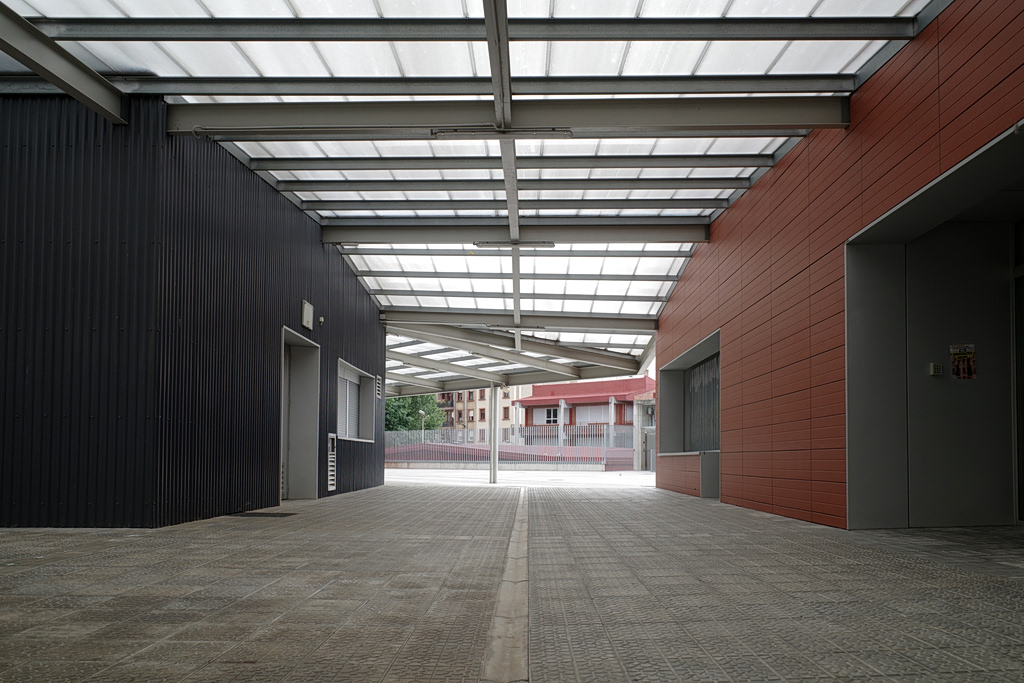
Freelance videographer Carlos Ty, 29, made a series of TikToks highlighting “Backrooms”-esque locations in Chicago, where he lives. He went looking for real liminal spaces during the pandemic.
“I would just walk on the highway that was closed down,” he said. “It felt very liminal because no one was there and everything was abandoned.”
Parsons has cited the videogame “Portal” as a major influence . Another viral videogame, “The Exit 8,” in which the player is trapped in a monotonous Japanese subway station, was recently adapted into a feature film released by Neon this year.
“I think a lot of younger generations experience videogames differently, and it’s just been around them since they were born,” “Exit 8” film director Genki Kawamura said through a translator. “If you look at the experience they see in videogames and reality, I believe that in and of itself is being blurred. The borders are coming down.”
Or maybe it’s just as simple as Bramsen’s assessment: “It’s a very Gen Z thing to romanticize weird situations.”