 Μake us preferred on Google
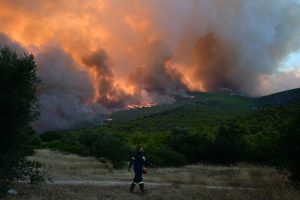
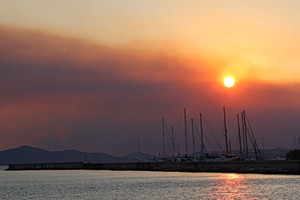
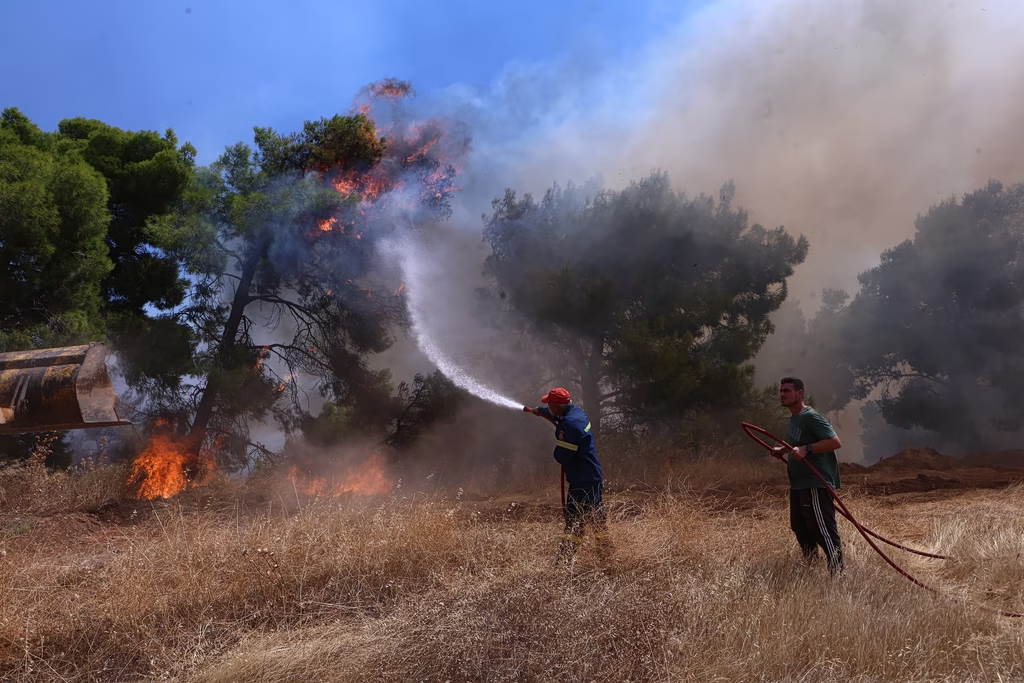
 This summer in Europe, which is shattering heat and drought records, is fueling major wildfires, with France, Spain, and Greece among the countries facing widespread blazes. As Euronews reports, scientists say some of these fires are producing an unusual and dangerous phenomenon known as a fire tornado, or firenado, in which intense heat and wind combine to create rotating columns of flame and smoke.
According to wildfire researcher James Urban, an assistant professor at Worcester Polytechnic Institute in Massachusetts, this extreme fire behavior has been observed across Europe in recent days. To better understand the phenomenon, researchers at Worcester Polytechnic Institute in the US have recreated fire tornadoes under controlled laboratory conditions.
How They Form
Urban explains that the rotating motion forms when wind interacts with the ground and with the shape of the fire itself. A fire tornado occurs when a blaze becomes surrounded by a strong rotating flow of air around it.
This can be triggered by wind interacting with terrain features, as well as by the shape of the fire line itself. These fires are linked to extreme fire behavior, since they can allow a blaze to burn more intensely and then change direction quite quickly, posing a serious danger to firefighters responding to the scene.
Urban explains that fire tornadoes form when air is drawn into the fire from different directions. Obstacles like vegetation, nearby fires, or terrain features can force that airflow into a rotating pattern, which then intensifies the fire further.
In a fire tornado, the blaze pulls in air from the sides. When that flow is restricted by obstacles such as other fires, vegetation, or local terrain, it can create a recirculation pattern that spins the fire, allowing it to burn faster and pull the flames closer to the ground. That lets the fire consume vegetation more quickly, releasing more intense heat and producing a stronger blaze.
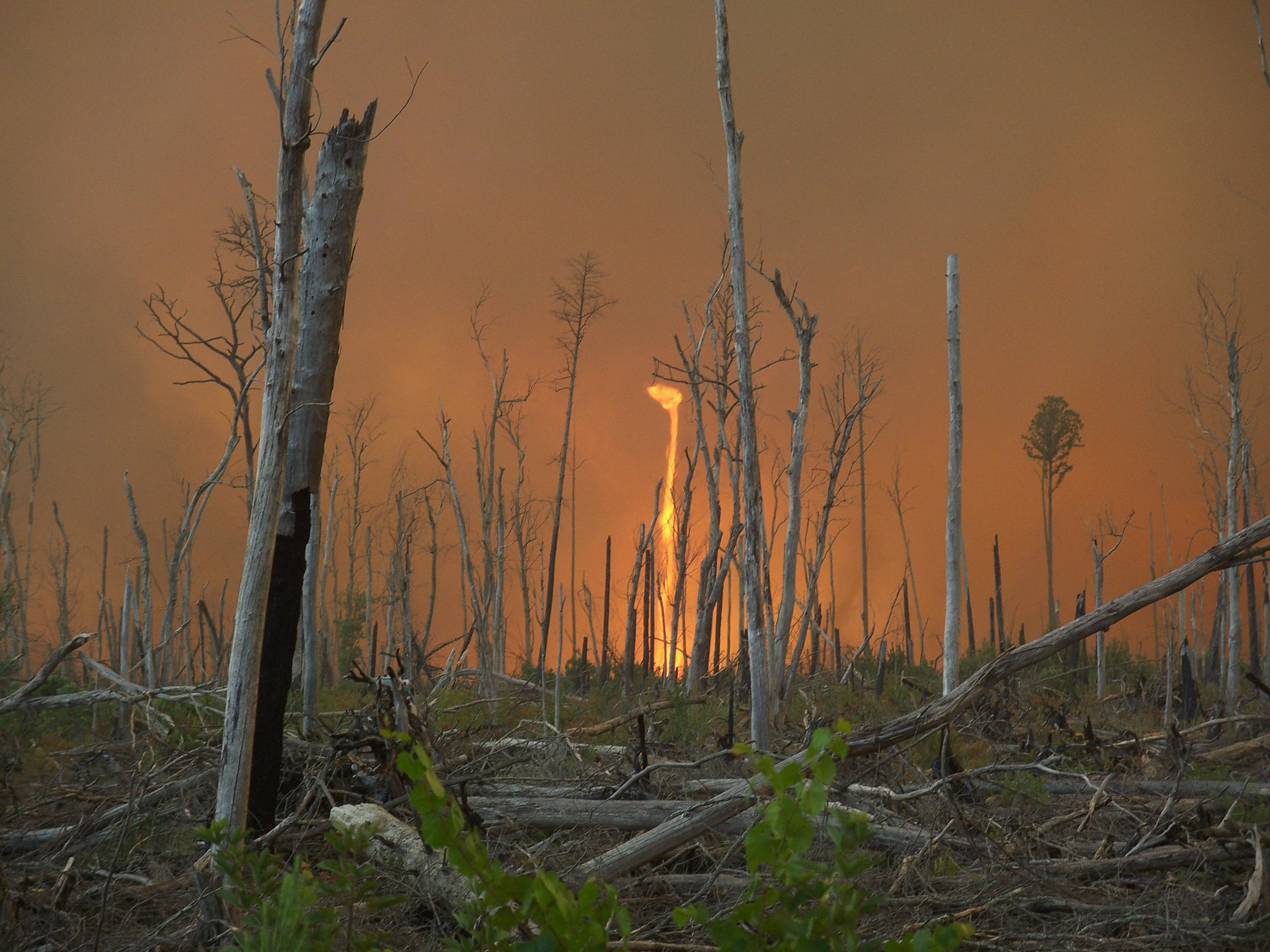
Suffolk, VA, August 2011: A firey tornado rages off Corapeake Road in the Lateral West Wildlfire on Great Dismal Swamp National Wildlife Refuge. The fire burned in the scar of the 2008 South One Fire in a restoration area for Atlantic white cedar. Source: Wikimedia Commons
What Makes Fire Tornadoes More Dangerous
One of the biggest risks is their ability to hurl burning material well ahead of the flame front, causing fires to spread unpredictably and potentially trapping firefighters. Fire tornadoes can trigger what is known as firebrand launching, in which burning debris is thrown out in front of the fire line, causing extremely rapid spread that endangers both firefighting crews and nearby communities.
They can also cause a fire to effectively jump over firefighting crews, raising the risk of entrapment. As a result, firefighters operating in conditions where fire tornadoes appear must exercise extreme caution.